
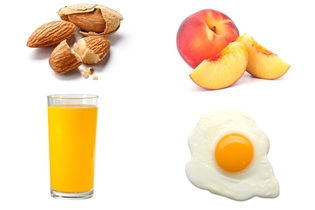
Foods that increase acidity in the blood because of they imbalance the pH of the blood, weaken the immune system and favor the development of health problems such as inflammation, flu and colds. Some examples are the egg, the butter, the vinegar and the beef.
In addition, acidic foods such as potatoes, sugary foods, and soft drinks, for example, favor fluid retention and constipation.
Table of acidic foods
Highly acidic foods
Alcoholic beverages
Coffee
Sodas, fruit juice
Carob, cocoa, chocolate
Sweets such as jellies, ice cream, sugar, honey or sweetener
Shown or soy sauce
Yeast
Vinegar
Barley, rye, malt, corn
Beef, chicken or pork
Egg
Fish and shellfish
Cheese
Cashew, peanut, pistachio, dried fruit
Potato, mushrooms
Moderately acidic foods
Ketchup and mayonnaise Black beans
Butter and margarine
Corn oil
Vanilla
Fruits like apple, peach, banana, grapes, mango, papaya, pineapple, strawberry, watermelon, guava
Yogurt
Cookies
Rice, wheat or rye bread, oats, wheat, sweet potatoes
Walnuts
Slightly acidic foods
black bean, red beans, chickpeas
Curry
Sunflower or grape seed oil
Fresh dates, nectarines, plums, cherries
Millet
Cow’s milk, cream
Rice and soy drink
Hazelnuts, Brazil nuts
Flax seeds and sunflower seeds
To have blood at a neutral pH and keep the body healthier it is important to reduce the consumption of acidic foods by making a feed with 40% acidic foods and 60% alkaline foods


