
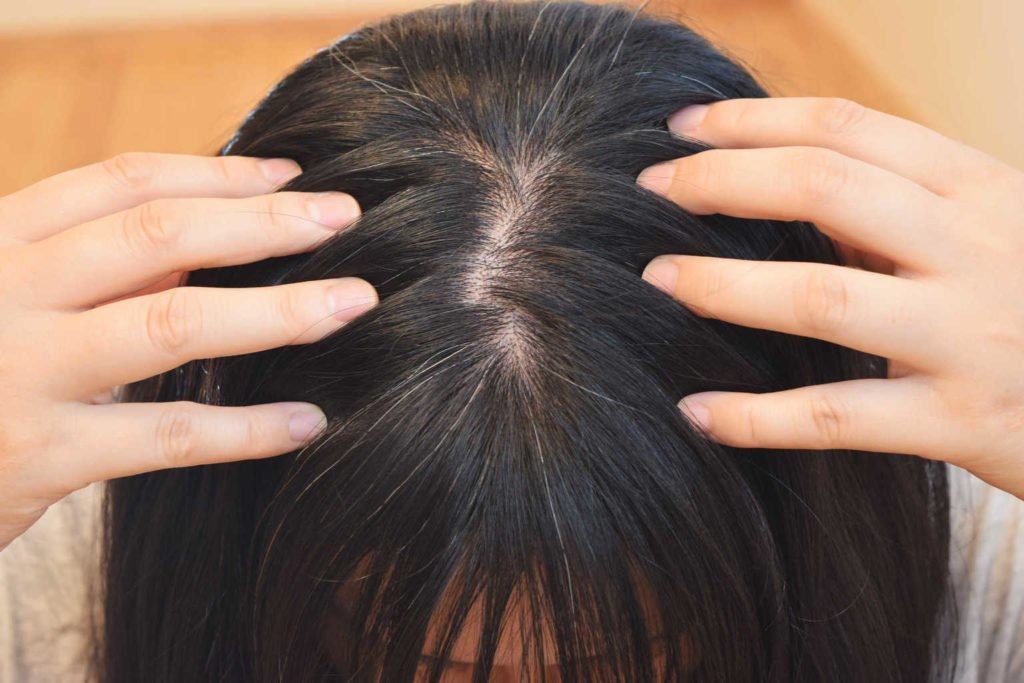
Amazing causes of grey hair
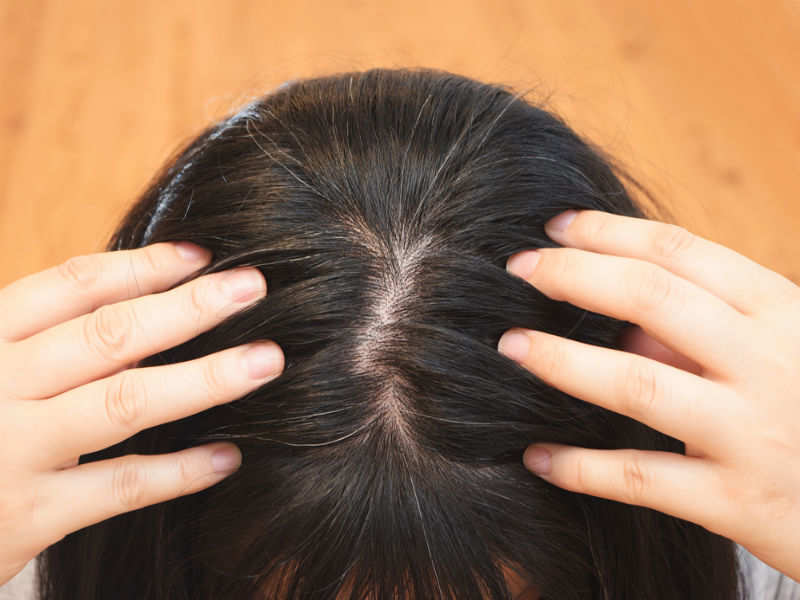
If you look at photos of President Obama taken before he ran for president and since he left office, you’ll notice a distinct difference: where there used to be only dark brown hair, there is now far more grey than brown. It seems that the stress of running a country would turn any person’s hair grey. But is stress really to blame? And why does hair turn grey, even for those of us who don’t have jobs quite as stressful as President of the United States?
Stress doesn’t actually turn hair grey. In fact, hair doesn’t actually “turn” grey. Once a hair follicle produces hair, the color is set. If a single strand of hair starts out brown (or red or black or blond), it is never going to turn grey. Your hair follicles produce less color as they age, so when hair goes through its natural cycle of dying and being regenerated, it’s more likely to grow in as grey beginning after age 35. Genetics can play a role in when this starts.
While being under stress can’t turn your hair grey, stress can trigger a common condition called telogen effluvium, which causes hair to shed at about three times faster than normal. The hair grows back, so the condition doesn’t cause balding. But if you’re middle-aged and your hair is falling out and regenerating more quickly because of stress, it’s possible that the hair that grows in will be grey instead of its original color.
Illnesses that cause grey hair
The vast majority of people with grey hair have age-related greying. However, sometimes greying hair indicates an illness, especially if it occurs at a particularly young age. Health problems that may be heralded by grey hair include:
vitamin B12 deficiency
neurofibromatosis (also called Von Recklinghausen’s disease): this group of inherited diseases causes tumors to grow along nerves and abnormal development of the bones and skin.
tuberous sclerosis: an uncommon, inherited condition that causes benign tumors in multiple organs (including the brain, heart, kidneys, eyes, lungs, and skin).
thyroid disease
vitiligo: this condition causes melanocytes (the cells at the base of hair follicles that produce color) to be lost or destroyed — perhaps because the immune system “misfires” and attacks the scalp rather than an infection.
alopecia areata: a disorder in which patches of hair may be suddenly lost, especially the colored (non-grey) hairs. This may lead to “overnight” greying because previously present grey or white hairs suddenly become more obvious. When hair growth resumes, it may be white or grey, but colored hair may eventually return.
Some research also links premature greying to heart disease and low bone mass (called osteopenia, a precursor of osteoporosis). How these conditions relate to hair greying is unclear. Cigarette smoking can also cause premature greying.
The bottom line
When and how thoroughly your hair turns grey is influenced mostly by the genes you inherit from your parents. Though stress may play a role in the process, it would be more helpful to look to past generations rather than your current stress levels to help you predict when or if you’ll go grey. That’s true whether you’re the President of the United States or someone with a less stressful job.
Source: health.harvard.edu


