

Tuberculosis, or TB, is often thought of as a distant health threat, something that happens elsewhere. Yet, the truth is, it can quietly affect you right in your own home. Many parents assume that simply keeping the house clean or taking care of minor illnesses is enough, yet hidden factors can make your home a silent risk zone. From stuffy rooms to dusty corners, everyday spaces can inadvertently create conditions where TB bacteria thrive.

Understanding these hidden triggers is the first step in protecting your loved ones. This guide will walk you through 12 common but often overlooked household risks and offer practical, easy-to-implement solutions. By paying attention to these details, you can create a safer, healthier environment because a truly protective home is one where your family can breathe easy, literally.
1. Poor Ventilation
A home that feels stuffy is more than uncomfortable; it can become a breeding ground for TB bacteria. TB spreads through airborne droplets, and in rooms with poor ventilation, these droplets linger longer, increasing the risk of transmission. Bedrooms, living rooms, and even bathrooms with no airflow can trap bacteria, making every cough or sneeze a potential hazard.
For families, the impact is significant. Children, whose lungs are still developing, and older adults, who may have weaker immunity, are particularly at risk. Simple steps like opening windows every morning or afternoon, using ceiling fans, and allowing cross-ventilation can make a real difference by ensuring that fresh air circulates and harmful bacteria are dispersed. Even a small window left open for a few hours each day can dramatically reduce the risk.
2. Crowded Living Spaces
Many families live in apartments or homes where bedrooms are shared. Overcrowding is a known risk factor for TB because it increases the likelihood of inhaling bacteria from an infected person. Sleeping in the same room, sharing sofas, or gathering closely in living areas makes it easier for TB to spread silently.
Parents often underestimate this risk, thinking a child’s proximity to siblings is harmless. However, if one family member has latent TB or early-stage infection, crowded spaces provide the perfect environment for transmission. Where possible, ensure that each family member has enough personal space. Even minor adjustments like spacing beds apart or using screens to separate sleeping areas can help.
3. Damp Corners and Hidden Moisture
Homes with damp patches, leaky roofs, or condensation-prone walls may not appear dangerous at first glance, but hidden moisture encourages bacterial growth. While TB bacteria primarily spread through the air, a damp environment can compromise indoor air quality and weaken the respiratory system over time.
Basements, under sinks, or behind wardrobes often hide moisture unnoticed. You should inspect these areas regularly, using dehumidifiers where necessary and promptly fixing leaks. Simple maintenance, such as airing out damp rooms and cleaning mould-prone surfaces, can prevent the indirect risks associated with a weakened immune system.
4. Shared Bedding and Towels
While TB is not typically transmitted through surfaces, sharing bedding or towels with someone actively infected can be a minor risk factor. Cough droplets can settle on sheets or pillowcases, and frequent sharing increases the chances of exposure, particularly in households with children.
To minimise this risk, wash towels, sheets, and pillowcases in hot water at least once a week. You can also provide separate sets of towels for each member and avoid sharing bedding when anyone is unwell. These small habits are simple yet highly effective in reducing the likelihood of bacteria lingering in your home.
5. Dusty Surfaces
Dust is more than just an eyesore. Over time, it can collect bacteria, spores, and other pathogens that affect indoor air quality. In homes where dust accumulates unchecked, respiratory health can be compromised, making family members more susceptible to infections, including TB.
Vacuuming regularly with a HEPA filter vacuum, wiping down surfaces, and paying attention to hidden corners under furniture or behind shelves are crucial steps. Also, involving children in simple dusting tasks not only helps maintain hygiene but also instills habits that protect health in the long run.
6. Indoor Smoking
Cigarette smoke irritates the lungs, reducing their natural ability to fight infections. For families, a smoker in the household can unintentionally put others at risk. Even when TB bacteria are not present, smoke weakens respiratory defences, making it easier for infections to take hold.
A smoke-free home is the safest option. Encourage smokers to step outside and wash their hands before touching family items. Using air purifiers can help, but the most effective protection remains avoiding indoor smoking altogether. This simple step protects everyone, especially children and older relatives, from compromised lung health.
7. Old, Unused Furniture
Antique or rarely cleaned furniture can hide unseen risks. Over time, sofas, mattresses, and cushions accumulate dust, bacteria, and sometimes mould. In homes where these items are overlooked, they can act as indirect contributors to a household environment that encourages respiratory issues.
Routine cleaning is essential. Vacuum fabric surfaces, wipe down wooden furniture, and rotate cushions to expose hidden areas to sunlight. You can also consider replacing items that are too old or damaged to clean effectively, particularly if they are in bedrooms or areas where people spend a lot of time.
8. Poor Kitchen Hygiene
Although TB is primarily airborne and not foodborne, a kitchen that harbours bacteria or unsanitary conditions can weaken the family’s overall immunity. Contaminated surfaces, unwashed utensils, or improperly stored food can indirectly make you more susceptible to infections.
Maintaining kitchen hygiene is therefore critical. Wash utensils and chopping boards immediately after use, disinfect countertops, and avoid cross-contamination between raw and cooked foods. Ensuring a clean kitchen contributes to the overall immune health of the household, reducing vulnerability to TB and other respiratory illnesses.
9. Inadequate Heating
Cold, poorly heated homes can stress the immune system, especially in winter. Low temperatures make the body work harder to maintain warmth, which can slightly compromise immunity and increase the risk of respiratory infections.
Simple solutions include keeping rooms at a comfortable temperature, using insulated curtains to prevent heat loss, and ensuring doors and windows are properly sealed against drafts. Even small changes like providing warm bedding and wearing appropriate indoor clothing can make a difference for your children and family members.
10. Neglected Bathrooms
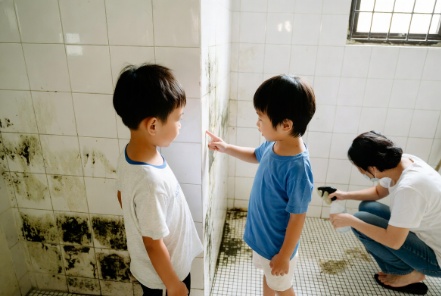
Bathrooms are often overlooked when considering TB risk, yet they can harbour bacteria in wet tiles, drains, and corners. Poor ventilation in bathrooms can also contribute to a damp environment that indirectly affects respiratory health.
Regular cleaning with disinfectants, scrubbing tiles, and keeping the space dry after use are essential. Installing exhaust fans or simply keeping windows open after showers can prevent lingering moisture. Also, it is important to teach your children to rinse surfaces and hang wet towels properly. Doing this adds another layer of protection.
11. Pets and Animal Contact
Certain animals, particularly if they are unwell, can carry TB bacteria, particularly Mycobacterium bovis, which can infect humans. While human-to-human transmission is far more common, close contact with infected pets or livestock can be a minor risk factor.
Maintaining pet health is crucial. Regular veterinary check-ups, vaccinations, and maintaining cleanliness around pet areas reduce risks. You should also wash your hands after handling pets, especially before meals, and avoid letting animals sleep in beds if anyone is vulnerable or recovering from illness.
12. Unwell Visitors
Sometimes, the most significant TB trigger is external. Visitors with active TB can accidentally expose the household, particularly if they spend extended periods indoors or are coughing frequently.
It is delicate, but you can protect yourself and your family by politely requesting that unwell visitors postpone their visit. Maintaining good hygiene, asking guests to use masks if they must visit, and ensuring proper ventilation during visits can all reduce risk. Simple, respectful measures like these help maintain safety without offending loved ones.
In Conclusion
TB may be a silent threat, but homes don’t have to be. Awareness is the first defence. You can use the practical steps listed here to create a safer environment.
Small, consistent actions matter. Opening a window each morning, washing towels weekly, rotating furniture, or encouraging your children to participate in cleaning may seem minor, but these habits collectively strengthen the household’s resilience against TB.
Your home should be a sanctuary, not a risk zone. By identifying and addressing these hidden triggers, you protect not just your physical health, but also peace of mind, knowing that you are doing everything possible to protect your loved ones.



Comments (0)
Please sign in to join the conversation.
Loading comments...