

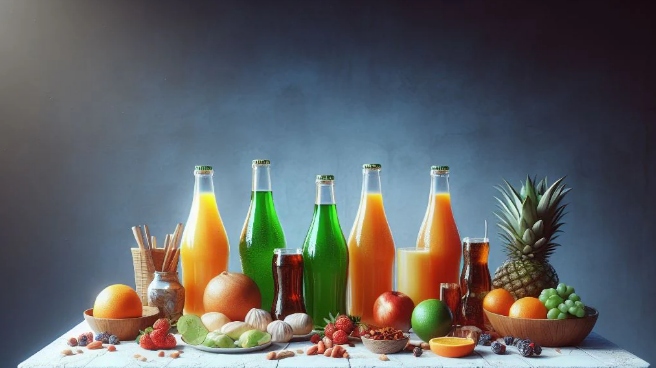
The kettle had just started whistling when Osée Malonga noticed his wife's hands trembling around the cup she hadn't even filled yet. "Merveille, are you cold?" he asked, though it was the kind of Brazzaville afternoon that made the zinc roof tick with heat. She laughed it off, the way she always did, and blamed it on standing too long at her tailoring shop.
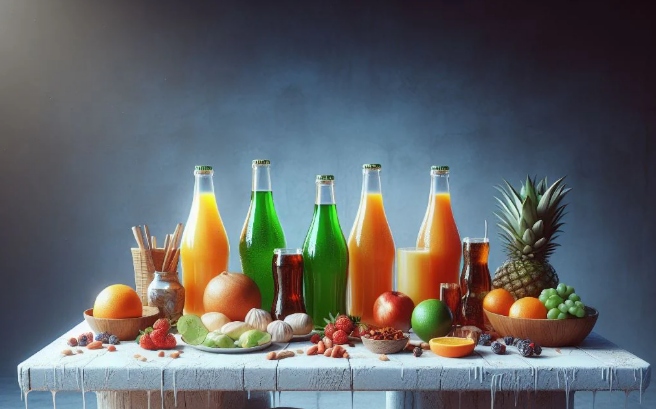
But Osée had seen this before - three months earlier, actually, when she'd nearly fainted lifting a bucket of water in the courtyard, and their neighbour Ma Nzuzi had muttered something about "blood that is too thin" before hurrying off to call for help. Nobody had taken it seriously enough back then.
He wasn't going to make that mistake twice.
That evening, after their children Divine and Prince had gone to bed, Osée sat with his sister-in-law Ornella, a community health volunteer, and asked her plainly: "What do I do? I can't keep watching her fade like this."
Ornella handed him a list - one she'd built over years of visiting homes where mothers gave everything to their families and kept nothing for themselves.
That list is the heart of this story, and it belongs to every wife who has ever poured her strength into a household until there was little left for her own body.
Fatigue in women is often waved away as normal, as something that comes with childbirth, with work, with simply being a woman who carries a home on her back. But persistent tiredness, pale skin, brittle nails, dizziness, or a racing heart after light activity can point to low iron or poor blood health, and it deserves real attention, not a shrug.
This isn't about diagnosing anyone from a distance because food and drink are powerful, accessible allies that any family can start with today, long before or alongside any medical visit.
16 Drinks Worth Knowing
Ornella wrote her list on the back of an old exercise book, and Osée later copied it onto his phone. Here is what it said, drink by drink, reason by reason.
1. Bissap (hibiscus/zobo tea): This deep red drink, common across Congo-Brazzaville and much of West and Central Africa, is rich in vitamin C, which helps the body absorb iron from food far more efficiently.
2. Moringa leaf tea: Moringa leaves are unusually dense in iron and other minerals; a warm cup steeped from dried leaves is gentle, affordable, and easy to make part of a daily routine.
3. Beetroot juice: Beets contain natural nitrates and folate, both linked to healthy blood flow and improved circulation, which can leave the body feeling less sluggish.
4. Tiger nut milk (kunun aya): This creamy, naturally sweet drink is packed with minerals like potassium and magnesium, offering steady energy without the crash of sugary drinks.
5. Baobab fruit juice: Baobab pulp has one of the highest vitamin C contents of any fruit, making it an excellent partner for iron-rich meals eaten the same day.
6. Fresh ginger tea: Ginger supports circulation and can ease the nausea or bloating that sometimes accompanies low energy, warming the body from the inside.
7. Pomegranate juice: Pomegranates carry both iron and vitamin C in one fruit, and their juice is a simple way to support red blood cell production.
8. Date milk (blended dates and warm milk or plant milk): Dates are a traditional energy food across many cultures, offering iron, natural sugars, and quick, sustained fuel for tired bodies.
9. Blended ugu or spinach juice: Dark leafy greens like fluted pumpkin leaf or spinach, blended fresh with a little lemon, deliver iron alongside folate, both essential for healthy blood.
10. Tamarind juice: Tangy and refreshing, tamarind is rich in vitamin C and also supports digestion, helping the body take in nutrients from other meals more effectively.
11. Groundnut (peanut) milk: A protein-rich drink common in Congolese kitchens, groundnut milk supports overall strength and helps the body repair and rebuild tissue.
12. Carrot and orange juice: This bright combination pairs vitamin A with vitamin C, both of which play a role in how the body stores and uses iron.
13. Beetroot, carrot, and ginger smoothie: Blending these three together multiplies their individual benefits into one energising glass, ideal for busy mornings.
14. Traditional cocoa drink (unsweetened or lightly sweetened): Cocoa, grown across Central Africa, contains iron and antioxidants, and a warm cup can feel like comfort and nourishment at once.
15. Warm water with lemon and a little honey: This simple morning ritual isn't dramatic, but it gently supports digestion and helps the body absorb the iron from breakfast.
16. Light bone broth: Simmered slowly, bone broth releases minerals including iron and can be sipped warm, especially comforting for women recovering strength after childbirth or illness.
None of these drinks is medicine, and none of them replaces a hospital visit if something feels seriously wrong.
What they do is fill the gaps that build up over years of a woman feeding everyone else first.
Helping a wife rebuild her vitality isn't about lecturing her on what she's doing wrong - it's about quietly making the right things easier to reach.
A Word to the Husbands, and to the Wives Reading This Alone
Pay attention before the fainting, before the trembling hands, before a neighbour has to say what you should have noticed first. Buy the hibiscus. Learn to make tiger nut milk. Ask her how she's really sleeping. Small, consistent care outweighs one dramatic gesture.
A body that gives so much deserves to be filled again, on purpose, in small warm cups, one ordinary afternoon at a time.



Comments (0)
Please sign in to join the conversation.
Loading comments...