

Nigerian children continue to face abuse, trafficking and neglect on a scale that demands immediate national attention, the Child Protection Network Nigeria has warned, revealing that it received no fewer than 36 cases in just a few months.
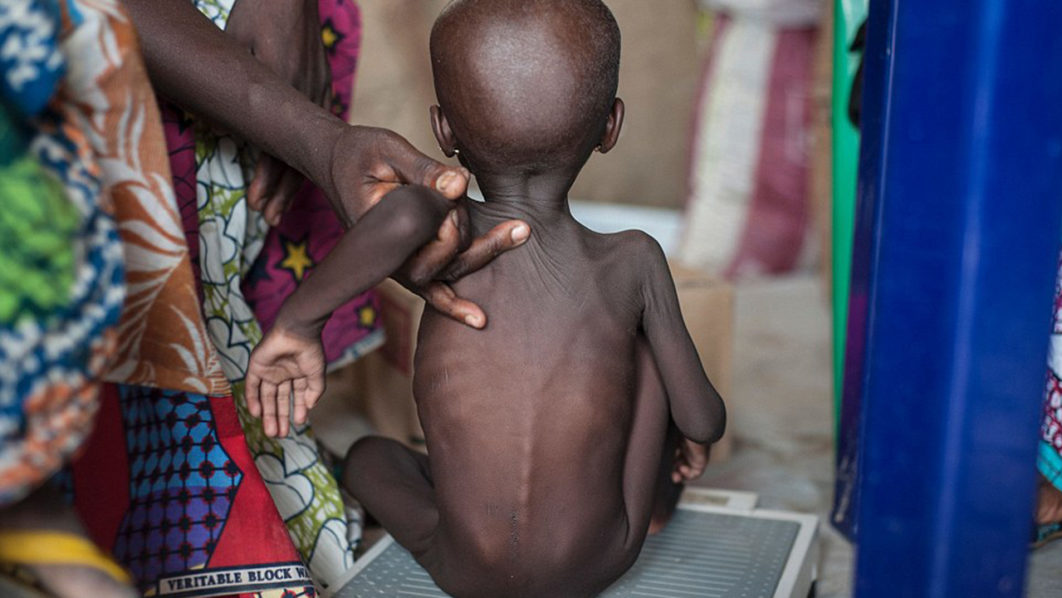
Speaking at a press briefing on the state of the Nigerian child in Abuja on Thursday, National Coordinator Olakunle Sanni said the cases, covering physical abuse, neglect, trafficking, sexual abuse and illegal adoption, mirrored deeper problems affecting children nationwide, including poverty, homelessness, hunger and exclusion from education and healthcare.
"These challenges are interconnected and require a coordinated national response," he said.
Sanni singled out sexual abuse as one of the most painful betrayals of childhood, noting that children were being violated in homes, schools and religious institutions, the very places meant to protect them.
He decried the silence that often shields abusers, insisting perpetrators must not be protected by families, institutions or powerful individuals.
He was equally direct about physical abuse, condemning beating, torture, burning and chaining of children, and urged parents, teachers and caregivers to embrace non-violent discipline instead.
On trafficking, Sanni said children were still being funnelled into domestic servitude, forced labour, street begging and exploitative placements, with irregular migration further exposing them to violence, detention and even death.
He pressed the government to tighten border protection, family tracing and reintegration support for at-risk families.
Abduction from schools and conflict-hit communities, he said, remains one of the gravest dangers facing Nigerian children today.
"A school should be a place of learning and protection, not a place where children fear being kidnapped," Sanni said, calling for stronger intelligence gathering and faster emergency response around vulnerable schools.
Turning to adoption, Sanni acknowledged it as a legitimate protective tool when done lawfully, but voiced alarm over its misuse as a cover for trafficking and illegal child transfers.
He referenced the recent shutdown of Divine Hope Orphanage and Less Privileged Home in Kagini, near Kubwa, which authorities said had taken children from Benue and Nasarawa states for unlawful adoption.
He also noted the network was closely watching the ongoing legal dispute between lawyer Timipre Wolo and U.S.-based Pastor Godstime Pender over a child's custody and adoption, citing public concerns about the foster parents' residency and compliance with Abia State's Child Rights Law.
Sanni was careful to stress neutrality.
"Our concern is the child," he said, urging all sides to shield the child from social media battles and public pressure.
"The legal battle is between adults; the child must not become the battlefield," he added.
On children living on the streets, often labelled Osanle, omo-ita or Almajiri, Sanni pushed back against treating them as criminals.
"These are children—not criminals," he said, attributing their situation to poverty, family breakdown, displacement and lack of access to basic services.
He called for safe shelter, education, healthcare and family reintegration programmes for them.
He further appealed for stronger paediatric healthcare and better-equipped clinics, insisting no child should die simply because a family cannot afford treatment.
Sanni closed with a broader appeal to government, parents, communities and civil society to treat child welfare as a shared national duty.
"The Nigerian child must not be an afterthought in Nigeria's development agenda. Protecting the Nigerian child is not charity. It is a national responsibility," he said.
Comments (0)
Please sign in to join the conversation.
Loading comments...