

Wanjiru had told herself this time would be different — a new app, a cleaner profile, better photos taken on a Sunday afternoon at Karura Forest when the light was golden and everything looked like a version of herself she actually liked. She spent 40 minutes crafting a bio that sounded effortless, the way good bios always do when they've been rewritten seven times, and by nine o'clock she was swiping through faces. 10:30, she had matched with four people, exchanged opening messages with two, and felt, despite all of this activity, profoundly and inexplicably empty.
Her closest friend, Kamau, found out about the apps a week later when they met for lunch at a rooftop restaurant in Westlands, the kind of place where the breeze was just right and the city skyline made everything feel a little more manageable. He listened as Wanjiru described the week's matches that never turned into real conversations, the one date that felt like a job interview, the growing suspicion that she was spending more time managing her digital dating life than actually living her real one.
He nodded slowly and said, "The apps give you access to a lot of people, but I don't think they were ever really designed to help you connect with any of them — not deeply, anyway."
The Architecture of Dating Apps Was Not Built for Your Heart
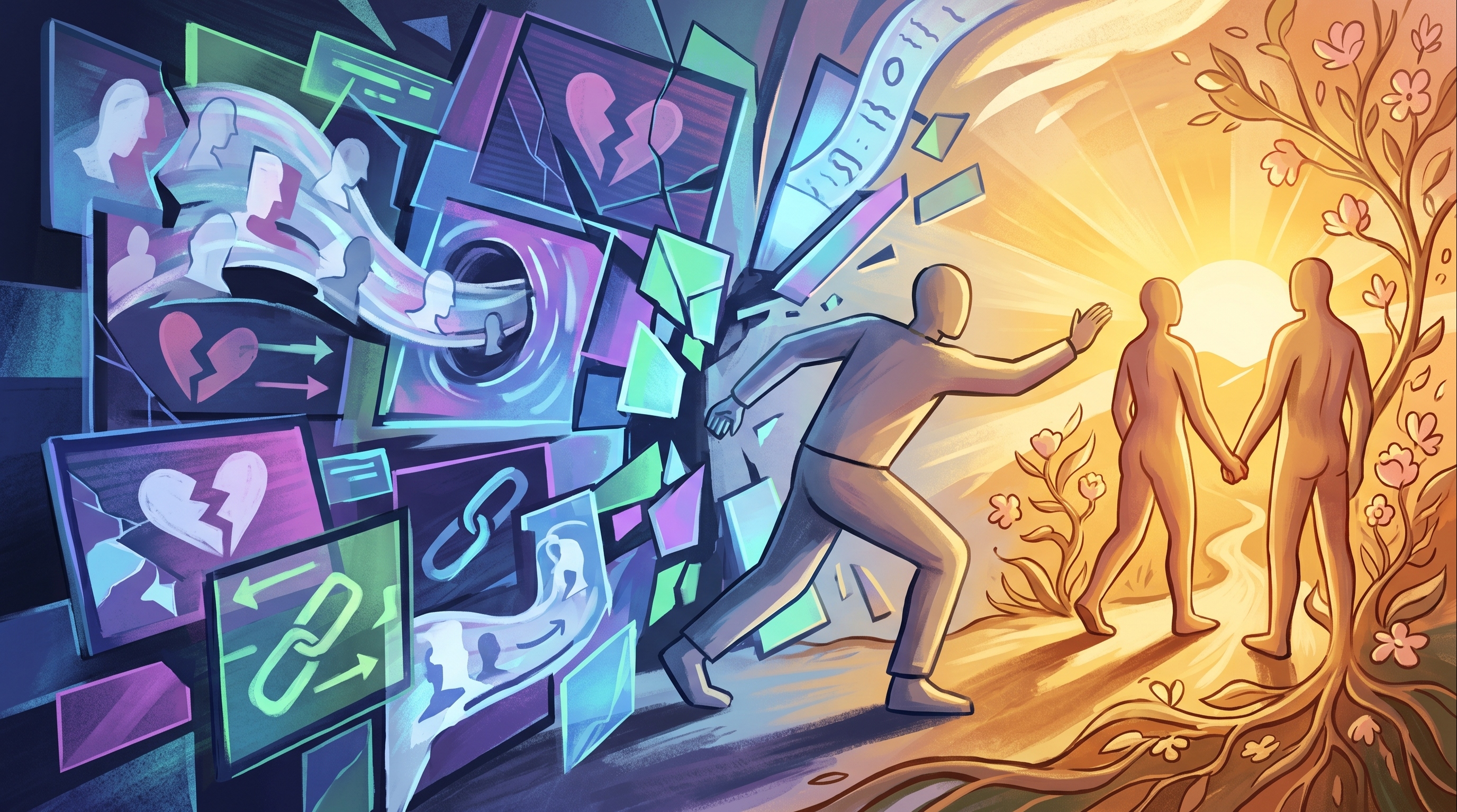
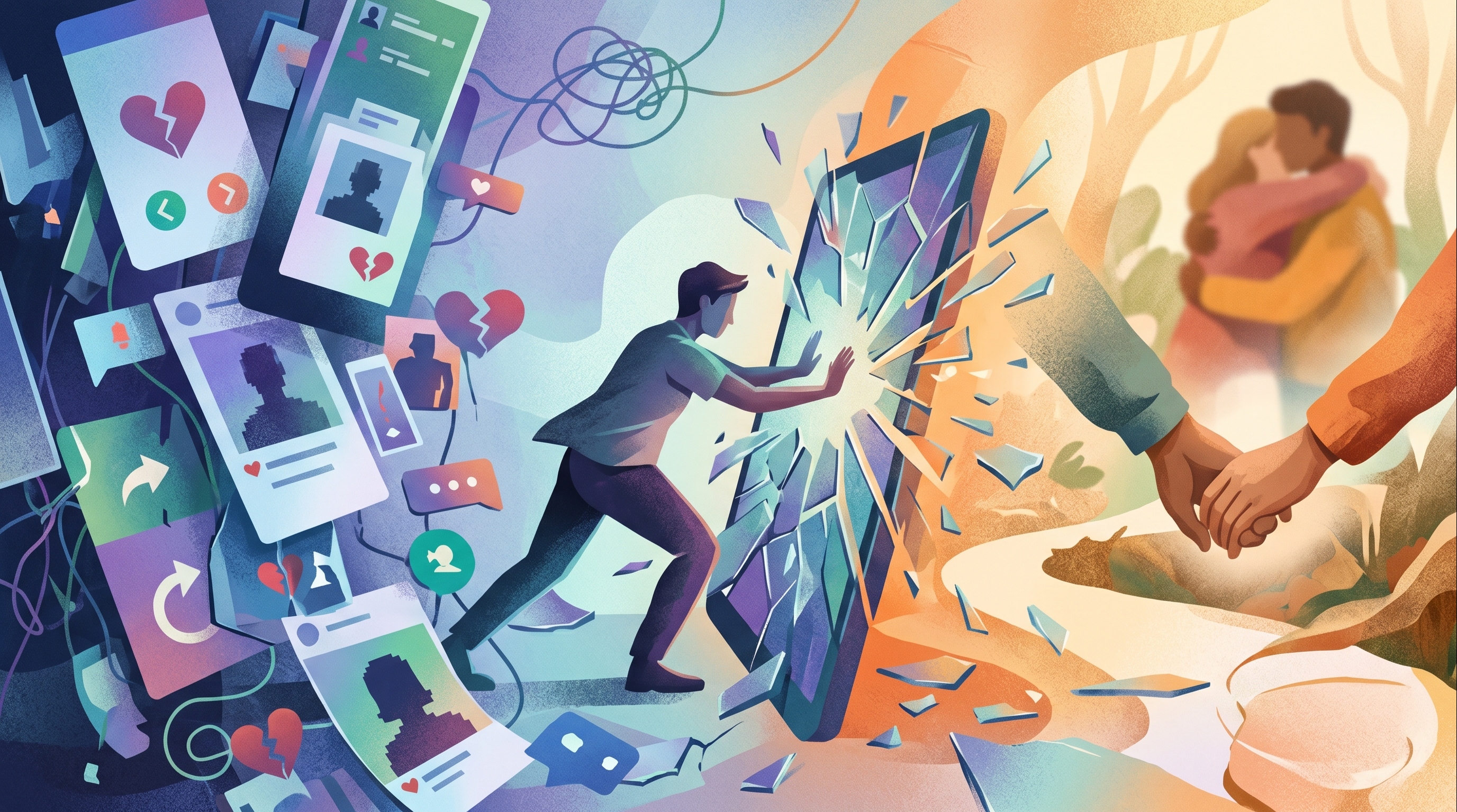
Here is something worth understanding clearly: dating apps were designed as products, and products are built to keep you engaged, not to help you leave. The same mechanics that make social media addictive, are embedded into the design of dating platforms, and they work with remarkable efficiency.
Every notification, every new match, every "someone liked your profile" alert is engineered to bring you back to the app, and the longer you stay on the app, the more the app succeeds, regardless of whether your love life does.
This is not a conspiracy theory; it is simply product design doing what product design does, and understanding it changes how you relate to these platforms entirely.
The Swipe Culture Is Quietly Rewiring How You See People
One of the most underreported side effects of prolonged dating app use is what it does to your perception of people over time.
When you spend weeks or months swiping through profiles, making split-second decisions about strangers based on a few curated photos and a short bio, you begin to develop a consumer mindset toward human beings.
People start to feel like options to evaluate rather than individuals to know, and that mindset doesn't stay on the app; it seeps into how you approach real-life interactions too.
The Paradox of Too Much Choice and Too Little Connection
Research consistently shows that when people are presented with too many options, they become less satisfied with whatever they choose, and not more.
Dating apps operate on the logic of abundance: more profiles, more matches, more possibilities. But this abundance creates a quiet trap, because the very volume of options makes it harder to invest meaningfully in any one person.
There is always the background hum of "what if someone better comes along," and that hum makes genuine investment feel risky in a way it simply didn't when your dating options were more naturally limited to people you actually encountered in your daily life.
Curated Profiles Are Beautiful Lies We Tell Ourselves
You are presenting a carefully curated version of yourself, and the people you encounter are doing exactly the same thing.
What this means, in practice, is that the version of a person you're attracted to online is a highlight reel, and the relationship you begin building in your mind before you've even met them is a relationship with a character, not a person.
The dissonance that results when you finally meet someone in person and discover the full, complicated, beautifully imperfect reality of who they are is one of the leading reasons that app-initiated connections often fizzle quickly.
The Emotional Cost Nobody Talks About Honestly
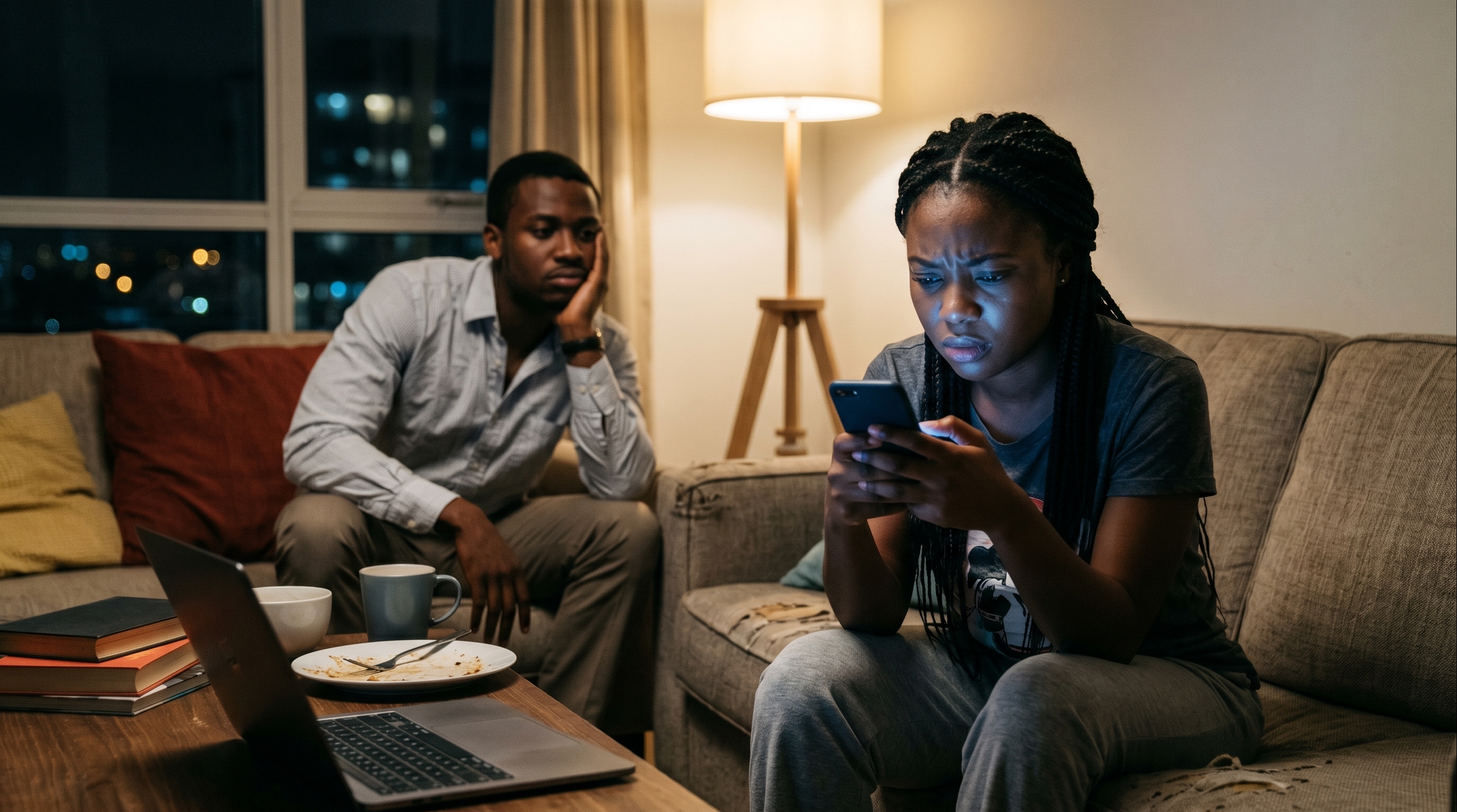
The experience of being unmatched without explanation, of sending a message that never gets a response, of going on multiple dates that feel promising and then simply dissolve into silence over time they can quietly reshape how you see yourself, especially if you don't have strong enough self-awareness to separate your worth from your match rate.
What Real Connection Actually Requires, And Why Apps Can't Deliver It
Genuine human connection is built on things like shared silences, body language, the way someone's energy shifts when they talk about something they love, the small moments of unexpected honesty that happen when two people are physically present with each other over time.
These are the building blocks of real intimacy, and they require slowness, presence, and a certain kind of vulnerability that a profile and a chat thread simply cannot accommodate.
The Behavioural Patterns Apps Encourage Are Quietly Destructive
Beyond the emotional cost, dating apps tend to reinforce behavioural habits that actively work against healthy relationship formation. Ghosting has become normalised almost entirely through app culture, because the anonymity of digital interaction removes the social accountability that exists in real life.
Keeping multiple conversations going simultaneously encourages a kind of emotional multitasking that prevents you from giving any one person your genuine attention. And the "disposability" mindset makes it harder to develop the patience and tolerance for imperfection.
Your Values Deserve a Better Environment Than an Algorithm
For young adults, dating apps can be a quietly uncomfortable space, even when you can't immediately explain why. The environment they create often conflicts with the relational values you actually hold, and that conflict creates a low-grade discomfort that many people push past because "everyone is on apps now."
What to Do With the Space That Opens Up
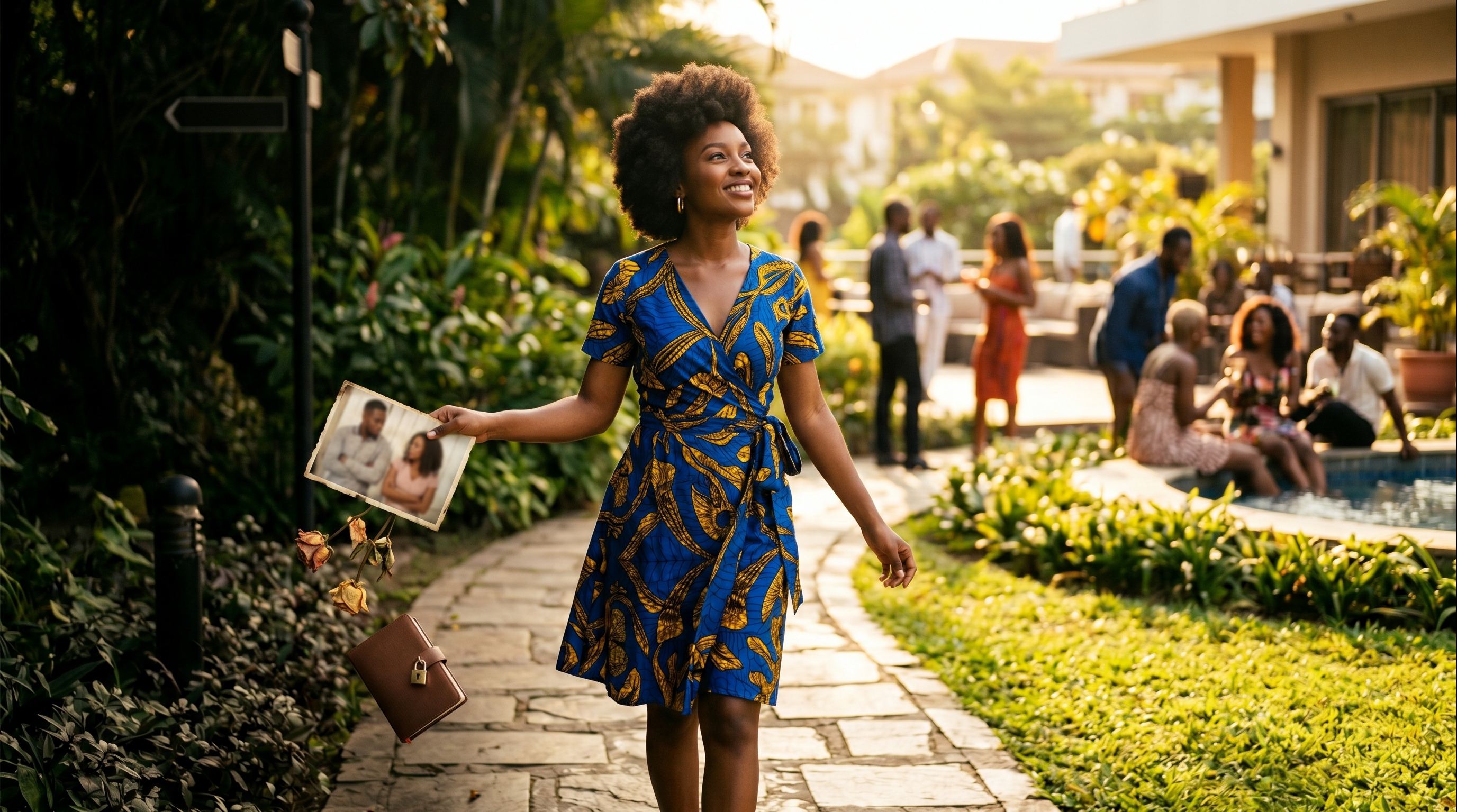
The space that opens up when you remove the apps is meant for you first, before it's meant for anyone else.
Use it to re-engage with your actual life: the communities you belong to, the hobbies that make you interesting, the friendships that sustain you, the quiet self-knowledge that makes you a better partner when the right time comes.
Real love has always found its way through real life, and it still does through presence, character, and the kind of genuine connection that takes a little longer to find and lasts a great deal longer once you do.
Saying goodbye to dating apps in a culture that has normalised them completely takes a particular kind of quiet courage to trust that real connection is still possible without digital assistance, and the courage to choose your own peace over the anxious productivity of an inbox full of strangers.
Comments (0)
Please sign in to join the conversation.
Loading comments...