


A hard day happens somewhere outside the relationship, and instead of staying outside, it walks in the door, sits down at the dinner table, and starts an argument that has nothing to do with either partner.
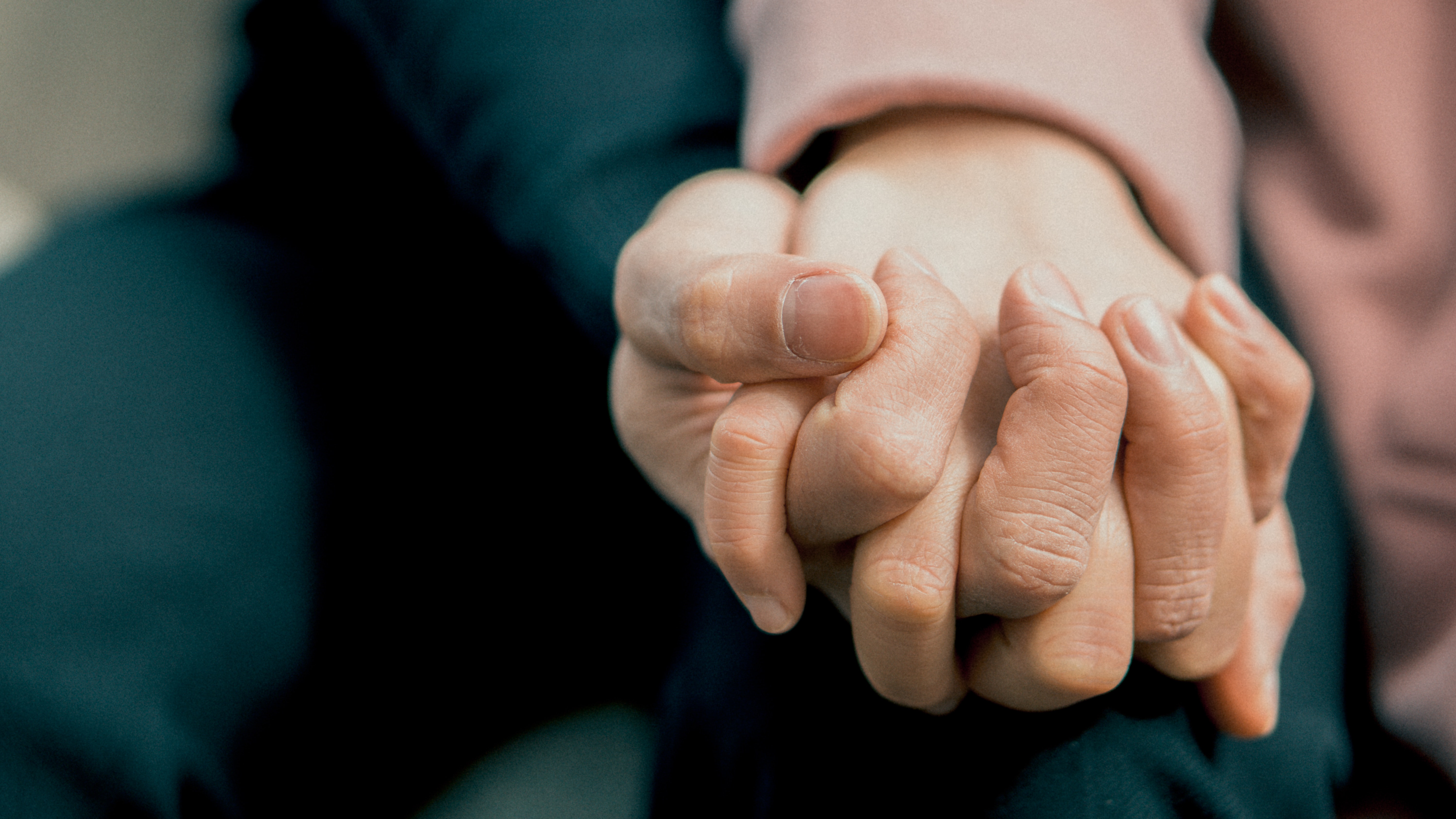
The real threat to most relationships is rarely some dramatic betrayal. Far more often, it is the slow, invisible leakage of ordinary stress into a space that was never meant to absorb it.
Rauna slammed the car door harder than she meant to, walked into the flat, and snapped at Junias for leaving his shoes by the door, the exact same shoes that had lived in that exact same spot for two years without ever bothering her before. Junias looked up from the couch, confused, opened his mouth to respond, then closed it again, sensing correctly that this was not really about shoes.
It was about the client who had shouted at her for a mistake that was not even hers, about the taxi that had left her standing in the sun for 40 minutes, about a day that had chipped away at her patience hour by hour until nothing was left by the time she walked through her own front door.
This scene repeats itself in homes everywhere, in different languages, over different objects, but always with the same underlying pattern.
Junias could have snapped back. It would have been easy, even understandable, to match her tone and turn one bad moment into a full evening of conflict.
Instead, he did something quieter.
He got up, made two cups of tea without saying much, and sat down beside her on the couch, not asking her to explain herself immediately, just present.
After several minutes of silence, Rauna finally exhaled and said, "I'm sorry, it wasn't about the shoes." Junias nodded and said, "I figured. Rough day?"
That question, asked without judgment, gave her permission to actually talk about what had happened, rather than defending the outburst that had already occurred.
A lesson worth sitting with directly: how a partner responds in the first sixty seconds after an unfair outburst often determines whether the evening becomes a fight about nothing or a genuine moment of connection.
Junias was not passive or a doormat in that moment. He simply recognised, correctly, that the shoes were never the real issue, and chose not to fight a battle that had already been lost somewhere else entirely.
When someone experiences stress, frustration, or humiliation outside the home, their emotional reserves are already depleted by the time they arrive.
The relationship, being the safest and most familiar space available, often becomes the place where that leftover emotion finally spills out, not because the partner deserves it, but because it is simply the first soft surface available after a long day of forced composure elsewhere.
Here are some of the real patterns because recognising them in the moment is often the difference between a five-minute misunderstanding and a night-long argument:
* Small irritations, like dishes or shoes or a slightly late reply, often become stand-ins for larger, unspoken frustrations that have nothing to do with the relationship itself.
* Tone often escalates faster than the actual disagreement warrants, because the emotional charge was already building long before the conversation started.
* Partners frequently misread a stressed reaction as a personal attack, when it is really an overflow from something entirely separate.
* The person under stress is often the least aware of how much their day is shaping their behaviour at home, because exhaustion clouds self-awareness.
* Repeated, unaddressed patterns like this can quietly convince a partner that the relationship itself is unstable, even when the real source of instability lies entirely outside it.
* Couples who never name this pattern explicitly tend to keep repeating it indefinitely, simply because nobody has ever stopped to say it out loud.
Rauna and Junias eventually built something simple out of that evening, a habit that has served them well ever since.
They created what they jokingly call the "weather check," an honest question asked at the door or over the first few minutes of reuniting each evening. "What's your weather like today?" one of them asks, and the other answers honestly: stormy, sunny, foggy, whatever fits, giving the other person immediate context before any real conversation begins.
It sounds almost too simple, and yet it works precisely because it removes guesswork from a moment that used to be filled with assumptions.
This habit does something else important too. It gives the stressed partner permission to name their state honestly, without needing to perform calmness they do not actually feel.
It gives the other partner a chance to adjust their approach before an unrelated comment accidentally lands like fuel on an already burning fire.
Neither of them has to guess anymore. The information is simply given, plainly, at the door.
Even the calmest, most compatible couples have bad days that threaten to spill over. The presence of a bad evening does not mean incompatibility. What matters far more is how quickly a couple recognises what is actually happening, and how gently they choose to respond to it rather than react against it.
This is not a sign that something is fundamentally broken between you. It is simply human nature colliding with an unfair world, and it is entirely manageable once both partners agree to name it honestly instead of silently absorbing it.



Comments (0)
Please sign in to join the conversation.
Loading comments...