

Few things send a parent into full panic mode quite like that note coming home from school: "A case of head lice has been reported in your child's class." Suddenly, everyone's scratching. The dog looks suspicious. You're checking your own hair in the bathroom mirror at midnight.
But here's the thing. Head lice are not a sign of poor hygiene, bad parenting, or a dirty home. They are simply one of life's most inconvenient, deeply irritating realities. Once you understand what they are, where they come from, and how to deal with them properly, you take back the power entirely.
So, What Exactly Are Head Lice?
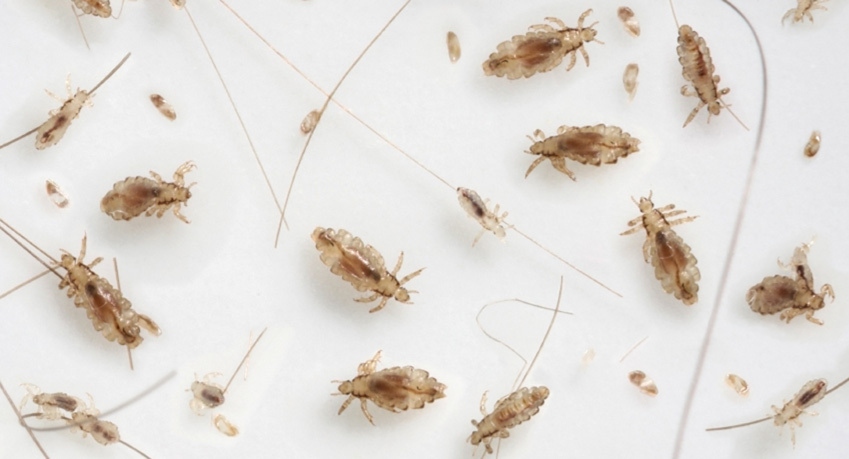
Head lice are tiny, wingless insects, about the size of a sesame seed, that live on the human scalp. They feed on small amounts of blood and lay their eggs (called nits) close to the root of the hair shaft, where body warmth helps them hatch. They cannot fly, jump, or survive more than a day or two away from the human head. They are not dangerous, do not carry disease, but are deeply, stubbornly persistent.
A single female louse can lay up to six to eight eggs per day. Multiply that by a few weeks of an undetected infestation, and the numbers grow fast. This is why catching them early matters enormously.
What Causes a Lice Infestation?
Lice do not discriminate. From Lagos to London, Mumbai to Melbourne, head lice affect hundreds of millions of people every single year. The World Health Organisation estimates that lice infestations impact up to 12 million children annually in the United States alone. In the UK, school nurses deal with outbreaks consistently throughout the academic year.
The single biggest cause of lice spreading is direct head-to-head contact. Children are the primary carriers simply because they are physical. They hug, lean in, and pile on top of each other during play. A quick moment of heads touching is all it takes for a louse to transfer from one scalp to another.
Lice can also, though far less commonly, spread through shared personal items. Hairbrushes, combs, hats, hair ties, pillowcases, and headphones have all been known to transmit lice, particularly when used in quick succession. In communal settings like dormitories, shared wardrobes, or sleepovers, this risk increases.
Importantly, lice are not caused by unwashed hair. In fact, studies suggest that lice actually prefer clean hair, as it is easier for them to move through. So if your child came home with lice after a bath last night, that fact offers no comfort but does carry the important truth: cleanliness has nothing to do with it.
How to Tell If Your Kid Has Lice
The most obvious sign is persistent itching, particularly around the back of the neck and behind the ears, the warmest parts of the scalp. However, not everyone with lice itches immediately. The itching is actually caused by an allergic reaction to louse saliva, and it can take weeks to develop after the first infestation.
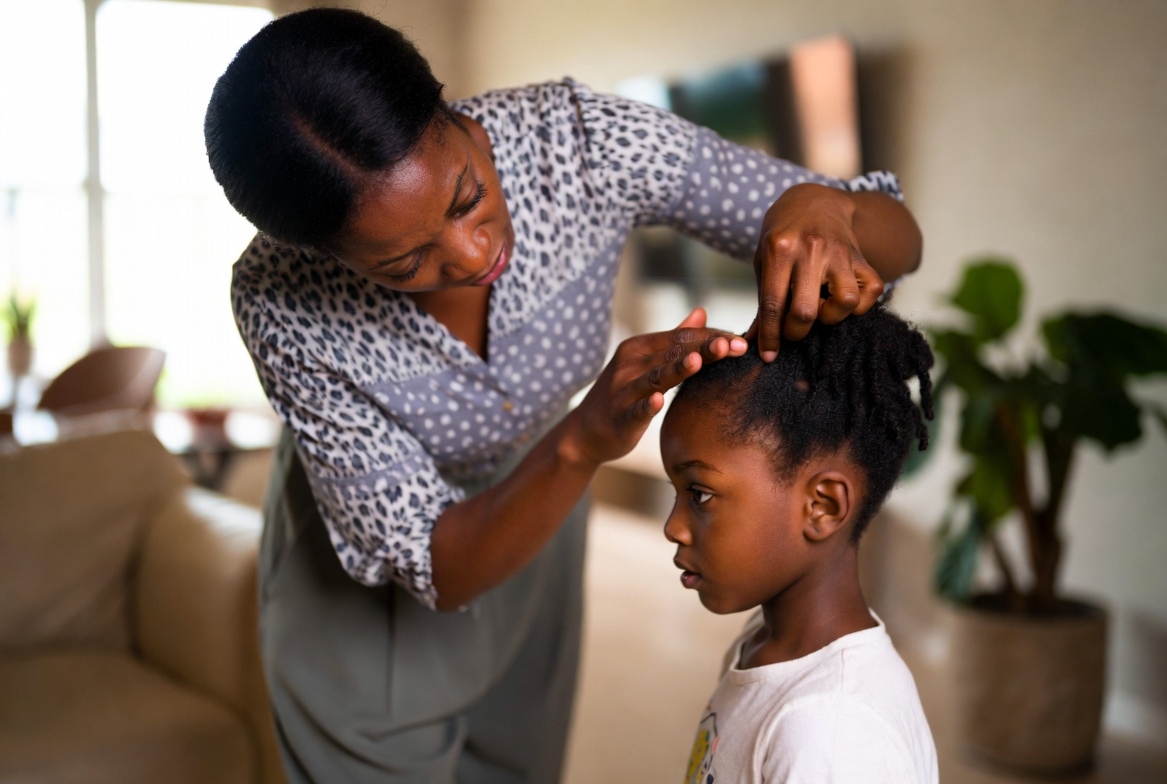
Other signs include a tickling feeling in the hair, difficulty sleeping (lice are more active in the dark), and visible sores on the scalp from scratching. To confirm an infestation, use a fine-toothed nit comb on wet, conditioned hair under bright light. Nits look like tiny white or yellowish-brown oval specks attached firmly to the hair shaft. Unlike dandruff, they do not flake off when touched. They have to be pulled off.
Preventive Measures That Actually Work
There is no guaranteed way to prevent lice entirely, but there are genuinely effective habits that reduce the risk significantly.
Keep hair tied up. For your children with longer hair, wearing plaits, buns, or braids during school keeps hair gathered and less accessible. Loose, flowing hair is an easier bridge for lice to travel across.
Avoid sharing personal items. This is one of the simplest and most effective rules. Teach your children early that your comb is your comb. Your hat is your hat.
Check regularly. Weekly wet-combing checks, especially during school term time, are the single most reliable way to catch lice early before numbers grow. Use conditioner, section the hair, and go through it carefully with a nit comb.
Use deterrent products. Some parents swear by tea tree oil sprays or mint-based leave-in conditioners, which are thought to repel lice. Whilst the evidence is not conclusive, many find them a helpful additional layer of protection as part of a daily haircare routine.
Communicate openly. If your child has lice, let the school and other parents know promptly and without shame. Early alerts help break the cycle of re-infestation that keeps lice circulating endlessly through communities.
Solutions That Work in Getting Rid of Lice
Right. They are here. Now what?
Wet combing is the most reliable non-chemical treatment. Apply plenty of conditioner to wet hair, then systematically comb through every section with a fine-toothed nit comb, wiping the comb on a white tissue after each stroke. Repeat this every three to four days for a minimum of two weeks. It is time-consuming and requires patience, but it works, and it is safe for all ages, including babies.
Medicated shampoos and lotions are widely available at pharmacies. Products containing permethrin, malathion, or dimeticone (a silicone-based formula that physically coats and suffocates lice rather than poisoning them) are commonly recommended. Dimeticone, found in products like Hedrin, is particularly popular because lice cannot develop resistance to it. Always follow the instructions on the packaging carefully. Likewise, leaving the product on for the correct length of time is essential to its effectiveness.
Treat the whole household. If one person has lice, check everyone in the home. Treating one person whilst others remain untreated is how re-infestation continues in a loop.
Wash bedding, clothing, and towels used by the affected person within the last 48 hours. Use a hot wash cycle of at least 60°C. Items that cannot be washed can be sealed in a plastic bag for 48 to 72 hours. This is efficient because lice cannot survive that long without a human host.
Soak combs and hairbrushes in hot water (above 60°C) for 10 minutes.
There is no need to fumigate your home, call pest control, or treat your pets. Lice are a human-only problem and live only on human heads.
In Conclusion
Head lice are one of those experiences that can feel embarrassing, overwhelming, and relentless, especially when you treat your child, send them back to school, and a week later you are back at square one. But they are manageable. They are common. So, with the right approach, consistent checks, and quick action, they do not have to take over your life.
So take a breath, grab the nit comb, and know that this too shall pass.


Comments (0)
Please sign in to join the conversation.
Loading comments...