

There was a time when the body you were born with was the body you carried to your grave. What nature gave you, you lived with, celebrated on good days and quietly resented on others. That time is over. We now live in an era where science, surgery, and a growing sense of bodily autonomy have combined to create something entirely new: the deliberately designed body.
Across the world and increasingly across Africa, people are visiting cosmetic clinics, booking surgical procedures, and emerging with bodies that have been sculpted, lifted, reduced, enlarged, or reshaped in ways their genetics never intended. It is a phenomenon that is growing rapidly, sparking fierce debate, and yet remaining oddly under-discussed in the places where it matters most.
Behind Every Frozen Egg Is a Woman Carrying More Than Hope
So let us talk about it plainly, honestly, and without judgement.
What Do We Mean by an "Artificial Body"?
When people speak of artificial or enhanced bodies, they are referring to the growing range of cosmetic and surgical procedures that alter the natural shape, size, or appearance of the human form. This includes breast augmentation, where implants or fat transfers are used to increase the size or improve the shape of the breasts. It entails the Brazilian Butt Lift, commonly known as the BBL, where fat is removed from one area of the body and injected into the buttocks to create a fuller, rounder shape.
There is equally the tummy tuck, a procedure that removes excess skin and tightens the abdominal muscles, often sought by people whose skin has lost elasticity after significant weight loss or pregnancy. Rhinoplasty, or a nose job, reshapes the nose. Facial fillers add volume to cheeks or lips. Body contouring removes fat from stubborn areas. The list is long, and it is growing.
What all of these procedures share is a single, powerful idea: that the body is not fixed. That it can be changed. Also, that choosing to change it is a valid personal decision.
Why Are So Many People Doing It?
The honest answer is that there is no single reason. People pursue body enhancement procedures for a wide range of motivations, and most of them are deeply personal.
For some, it is about correcting something that has caused lifelong discomfort or self-consciousness. A person who has hated the shape of their nose since childhood, who has avoided photographs for years and built social anxiety around a single feature, for that person, rhinoplasty is not frivolous. It is life-changing. The same applies to someone whose breasts are disproportionately large and cause back pain, or whose skin hangs loosely after losing a significant amount of weight through hard work and discipline.
For others, the motivation is more about aesthetics and desire. They simply want to look a particular way. They have an image in their mind of how they would like their body to appear, and they are using available tools to achieve it. This too is valid. Adults make choices about their appearance every single day through clothing, hairstyles, make-up, tattoos, and piercings. Cosmetic surgery sits on the same spectrum, just further along it.
There is also the matter of confidence. It would be naive to pretend that appearance does not affect how people feel about themselves and how they move through the world. When someone feels good about the way they look, it often translates into greater confidence at work, in relationships, and in social situations. That is not shallow, it is deeply human.
The Social Media Effect
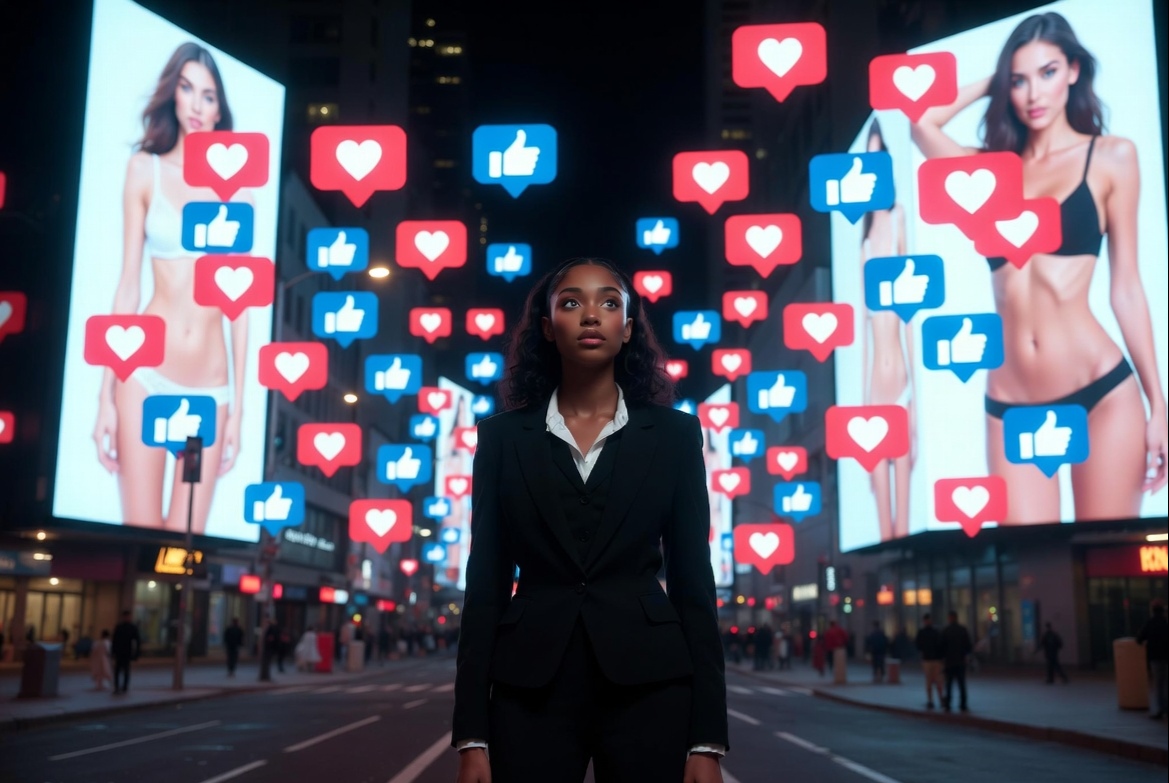
It would be dishonest to discuss the rise of artificial bodies without acknowledging the enormous role that social media has played. Platforms built around images and short videos have created a visual culture of extraordinary intensity. People are exposed to carefully curated, often heavily filtered or surgically enhanced bodies every single day and over time, that shapes what feels normal.
In many parts of the world, the BBL aesthetic has become particularly aspirational. The hourglass figure; small waist, full hips and rounded buttocks is celebrated across music videos, Instagram pages, and popular culture. For young women especially, the gap between what they see celebrated online and what they see in the mirror can feel enormous. Some choose to close that gap through surgery.
This does not mean social media is entirely to blame, or that every person who pursues cosmetic enhancement is simply chasing a trend. However, it is a factor that deserves honest acknowledgement in any real conversation about why these procedures are rising so sharply.
The Risks That Do Not Always Make It Into the Conversation
Every cosmetic procedure carries risk. This is a fact that gets buried beneath before-and-after photographs and glowing testimonials, but it is a fact nonetheless.
The BBL, for instance, has at various points been flagged by medical professionals as one of the highest-risk cosmetic procedures due to the possibility of fat entering the bloodstream during the injection process. Breast implants can rupture, shift, or cause complications that require further surgery. Tummy tucks involve general anaesthesia and significant recovery time. Even non-surgical procedures like dermal fillers, when administered incorrectly, can cause serious harm.
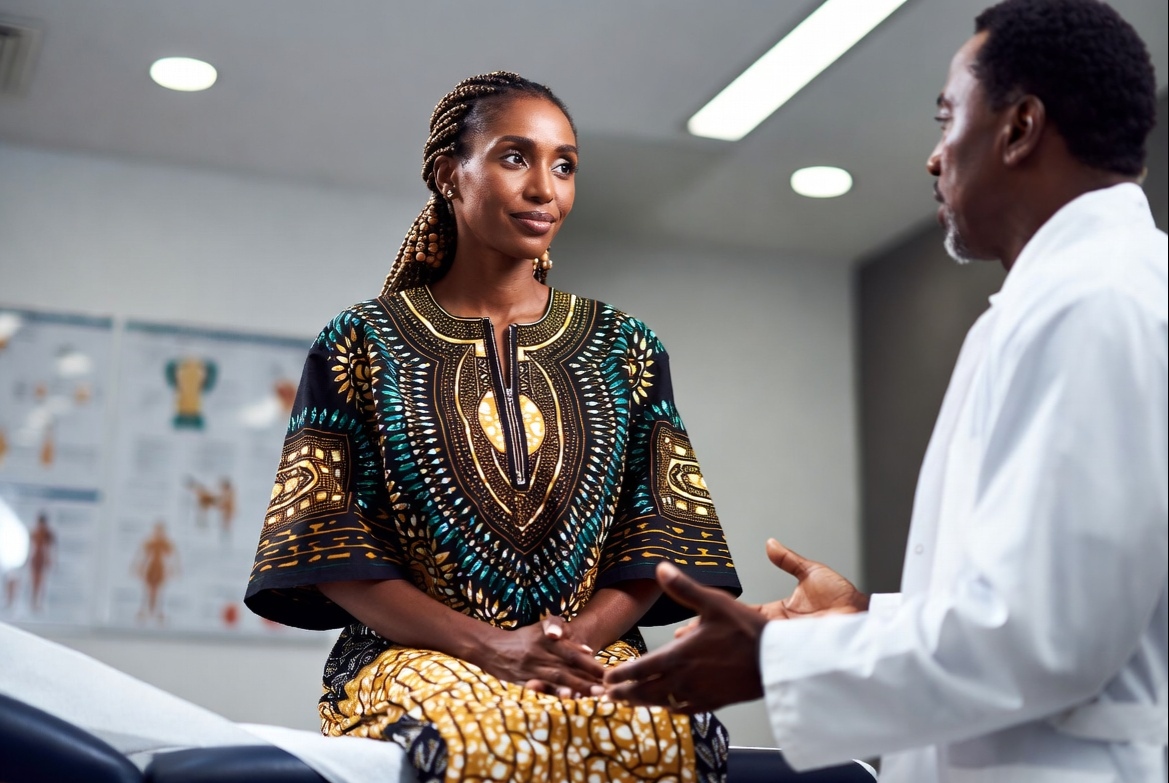
None of this means these procedures should not be pursued. It means they should be pursued carefully, with a fully qualified surgeon, in a properly equipped medical facility, and with complete information about what can go wrong. The desire to look different is understandable. Risking your life for it in an unregulated back-room clinic is not worth it.
Your Body, Your Rules, But With Your Eyes Wide Open
The most important thing to say about artificial bodies is this: the choice belongs entirely to the individual. Nobody should be shamed for wanting to alter their appearance, and nobody should be pressured into doing so. Both of those things happen, and both of them are wrong.
What matters is that the decision is made freely, informed by real knowledge of the risks, performed by qualified professionals, and driven by the individual's own genuine desires, not by someone else's expectations or by the relentless pressure of a filtered online world.
Your body is yours. Whether you choose to change it or celebrate it exactly as it is, that choice deserves respect.

Comments (0)
Please sign in to join the conversation.
Loading comments...