

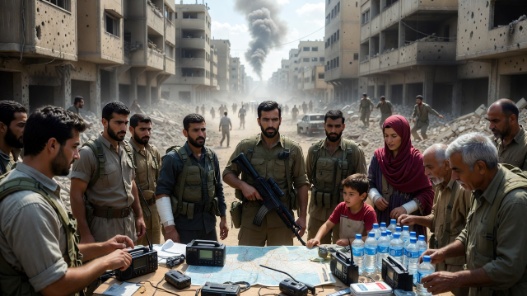
Recently, the world has watched as tensions erupt into open conflict between Iran and a US-Israel alliance following the deadly hit on Iran's Supreme Leader Ayatollah Ali Khamenei, joint airstrikes have targeted Iranian military and security sites, aiming for regime change further putting confusion into families' roles and purposes.
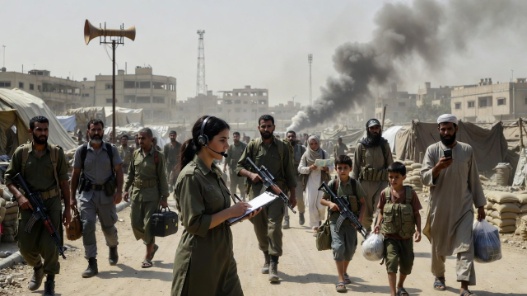
Emergencies like this war show the critical need for clear family roles. When chaos strikes, a well-defined structure can mean the difference between panic and resilience. Drawing on disaster-preparedness guidelines and firsthand accounts from this conflict, the following are key family roles and responsibilities to help households navigate crises effectively.
The Family Leader (Decision-Maker and Coordinator)
At the helm is the family leader, often the most composed adult, usually a parent or elder who assesses threats and makes quick decisions. In Israel's bomb shelters, where families huddle during Iranian missile waves, this person monitors alerts via apps like the Home Front Command system, deciding when to shelter or evacuate.
Responsibilities include:
Creating and updating an emergency plan, including escape routes and meeting points
Delegating tasks to avoid overload
Staying informed through reliable sources, such as government broadcasts or international news, to anticipate escalations like the reported US jet crashes in Kuwait
The Communicator (Information Hub and Liaison)
Communication is a lifeline in emergencies. The communicator handles updates to ensure that everyone stays connected. This role suits tech-savvy members, like teenagers or young adults, who manage group chats, charge devices with portable batteries, and relay official warnings.
In the current conflict, communicators in Lebanon track Hezbollah-Israel exchanges, sharing live updates from sources like Al Jazeera or the IDF's social media. They contact extended family, authorities, or aid groups, which is vital when strikes disrupt phone networks, as seen in Beirut's outskirts.
Key responsibilities:
Maintaining a list of emergency contacts, including hospitals and embassies
Disseminating calm, factual information to prevent misinformation-fueled panic
Coordinating with neighbors for community support, such as shared shelters
The Caregiver (Health and Emotional Support Provider)
Emergencies increase physical and mental strain. The caregiver, often a nurturing figure (a mother or healthcare-savvy relative) focuses on well-being. They administer first aid for injuries from debris or shrapnel. In this war, caregivers in displaced families prioritize calming routines, like storytelling in shelters, to minimize long-term psychological impacts.
Responsibilities are:
Managing medical supplies, including medications for chronic conditions, amid shortages
Providing emotional support, especially for children traumatized by blasts
Ensuring nutrition and hygiene to prevent illness in crowded conditions
The Logistical Supporter (Resource Manager)
Behind the scenes, this person handles practicalities. This could be a spouse or older child who gathers supplies, secures the home, and maintains equipment. In the Gulf, where Iranian missiles target US allies, they fortify residences with sandbags or tape windows against blasts. In Iran, they manage fuel for generators during blackouts from targeted infrastructure.
Responsibilities entail:
Inventorying food, water, and tools like flashlights or radios
Handling transportation, such as fueling vehicles for evacuation
Assisting vulnerable members, like the elderly or disabled, during moves
The Protector (Safety Enforcer)
In high-risk zones, the protector ensures physical security. Often the strongest or most alert member, they check for hazards like gas leaks post-strike and enforce safety protocols. During Iran's retaliatory drone attacks on Dubai's Burj Khalifa area, protectors guide families to safe rooms. In Israel, they drill evacuation procedures amid ongoing barrages.
Roles:
Securing the perimeter and monitoring for intruders in unstable areas
Teaching self-defense basics or how to use fire extinguishers
Leading drills to build muscle memory
Flexible Roles Keep Families Strong
Roles aren't rigid. You can rotate based on strengths and rotate to prevent burnout. Involve children in age-appropriate tasks, like packing go-bags, to empower them as well. For single-parent or extended families common in the Middle East, community networks fill gaps.
Preparedness builds a solid foundation but true crises bring unpredictability. That's where improvisation shines. Clear roles provide the structure to adapt quickly, turning household fear into decisive action.

Comments (0)
Please sign in to join the conversation.
Loading comments...