


Ousman, a 42-year-old civil engineer, had been on site since six in the morning. He carried that exhaustion in his shoulders, in the slower-than-usual way he climbed the stairs, in the way he loosened his collar before he even reached the landing.
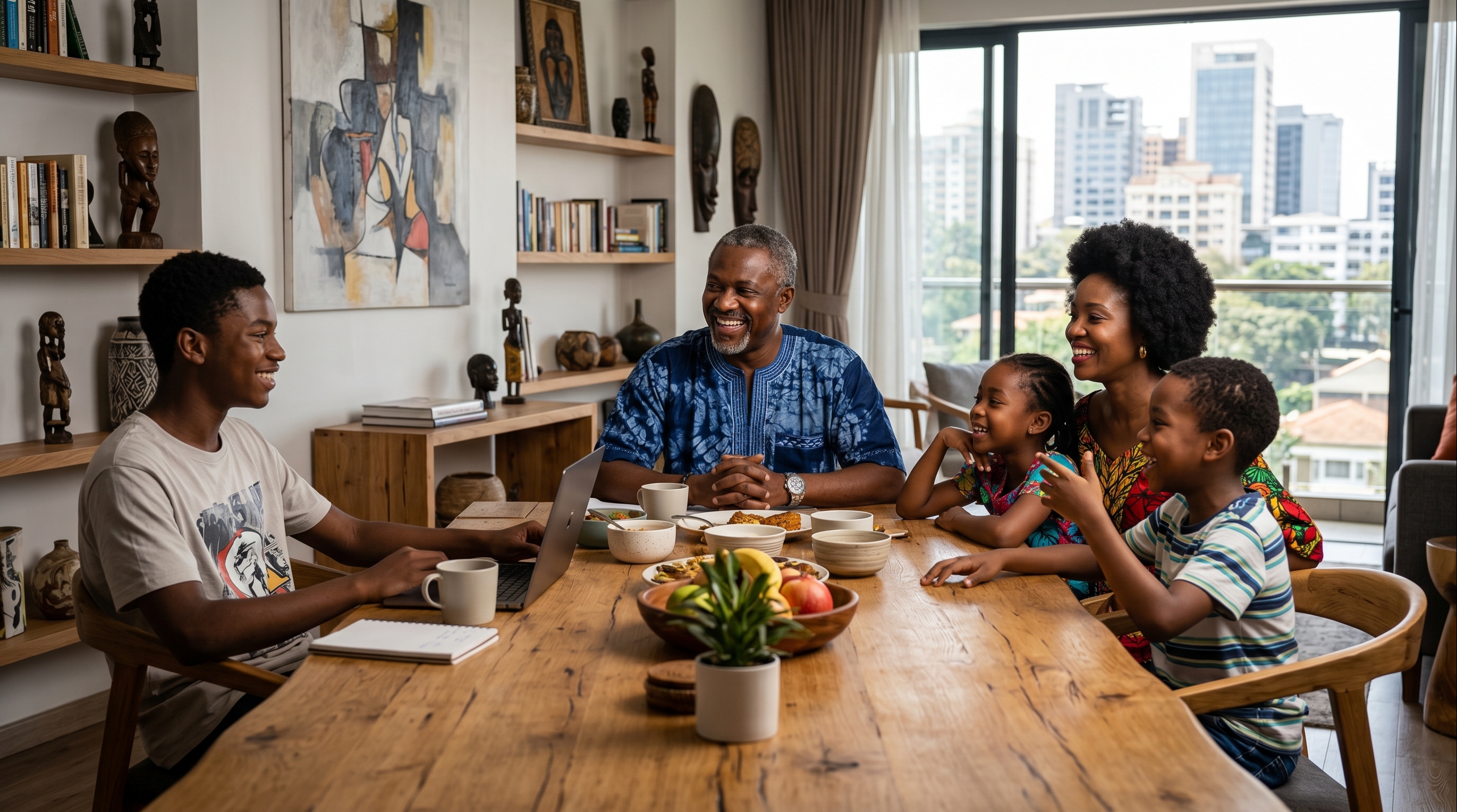
He had expected to walk into the warm noise of his family, his wife, Fatoumata, cooking something that smelled like home, his 16-year-old son, Bakary, doing something loud and adolescent in his room, his 11-year-old daughter, Ndey, chattering at someone about something that mattered enormously to her.
Instead, the house was unusually quiet.
Fatoumat, was sitting at the kitchen table with her hands folded, which was never a good sign. Bakary's room was dark, he had come home three hours late and gone straight to bed without eating. And, Ndey, had cried herself to sleep at 7pm because her school recital had started at 4pm and her father had not come.
Ousman had forgotten the recital. He stood in the hallway, coat still on, and felt the full weight of that forgotten afternoon land on him like something physical. And then Fatoumata said, very quietly, without accusation, "The children need to feel you here, Ousman. Not just in the house. Here."
Gravity is the force that keeps things in orbit. It does not shout. It does not demand. It is steady, consistent, and powerful enough that everything around it organises itself accordingly. A household with a father who understands his gravity is a household where children know where the centre is. Where they know, even on the hardest days, that something is holding the world together. Not perfectly. But reliably.
The Difference Between Authority and Control — And Why It Matters
Here is something that many fathers, especially those raised in traditional households, sometimes confuse: authority and control are not the same thing, and knowing the difference is everything.
Control is imposed from the outside. It demands compliance through fear, volume, or the threat of consequence. It can produce obedient children for a while. But what it tends to produce more reliably over time is distance. Children who learn to hide things. Teenagers who leave the moment they legally can. Adults who maintain a polite, careful relationship with a father they never really knew.
Authority is something different entirely. Authority is earned through consistency, through integrity, through being the same man in private that you are in public. A father with genuine authority does not need to shout to be heard. His children regulate themselves partly because they respect him, and not fear him. There is warmth in his firmness, and safety in his expectations. They know he sees them, and they know he will not be moved by pressure or tantrums or the easier path of looking away.
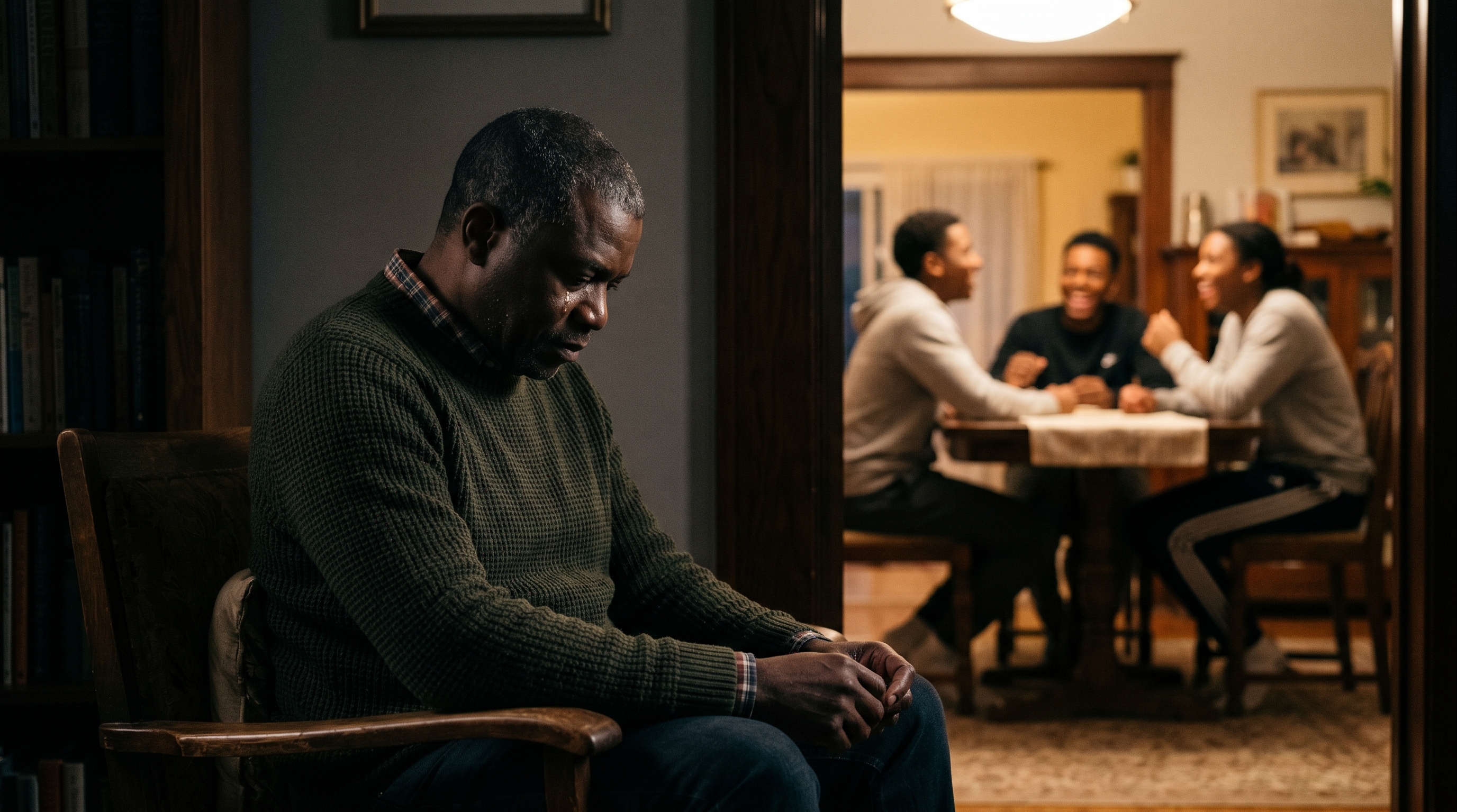
Ousman knew, standing in that hallway, that he had quietly allowed his gravitational pull to weaken. And the effects were showing in the small but significant ways: a son testing limits because no centre was holding him accountable, a daughter learning that her father's promises came with asterisks, a wife carrying the emotional weight of the home more or less alone.
What Fathers Need to Hear Directly
You are reading this for a reason, and this section is speaking directly to you.
Your household needs you to be present in the fullest sense. Not just geographically located within its walls, but emotionally available, intentionally engaged, and awake to what is happening beneath the surface. Children do not always say what they need. They act it out, withdraw, test limits, push in directions that seem irrational, and underneath every one of those behaviours is a question they are asking you: Are you watching? Do you see me? Are you there?
Your consistency is a gift more valuable than almost anything else you provide. Children do not need you to be perfect. They need you to be reliable. They need to know that when you say you will be at the recital, you will be at the recital. That when you set a boundary, it holds. That the version of you that shows up tomorrow is recognisably the same man who showed up yesterday. Reliability builds security, and security is the soil in which confident, emotionally healthy children grow.
Your firmness and your warmth are partners. This is the posture a father's gravity requires. Not coldness dressed as strength. Not harshness disguised as discipline. But the kind of warmth that loves a child enough to tell them the truth, hold the line, and stay in the room.
The things you do not address simply grow in the dark. A father who avoids the hard conversations, who looks the other way at concerning behaviour, who convinces himself that things will sort themselves out, is not keeping the peace. He is allowing small fractures to become large ones. Gravity requires engagement. It requires you to notice, to name, and to respond.


Comments (0)
Please sign in to join the conversation.
Loading comments...