

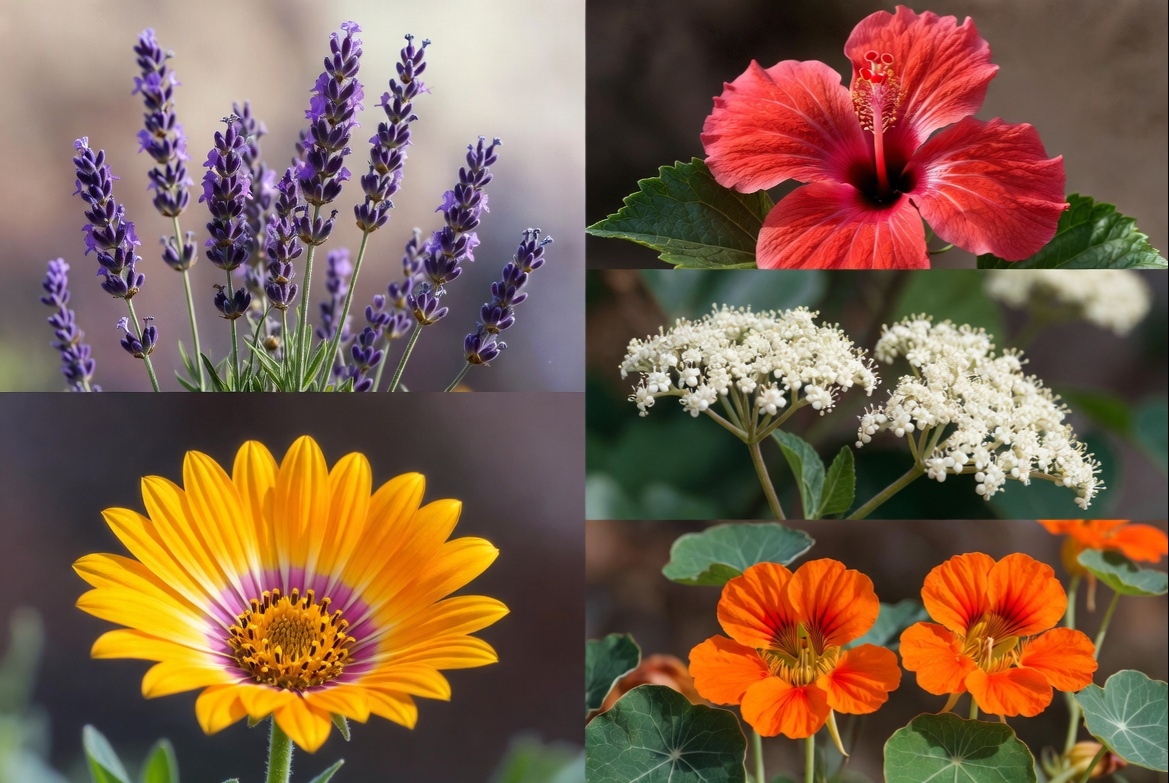
There is something quietly magical about the idea that the most beautiful things in nature are also, in many cases, the most nourishing. We have spent centuries placing flowers in vases, pressing them into books, and painting them on canvas, all the while missing the fact that many of them belong just as much on our plates and in our cups.
Around the world, cultures from China to the Caribbean, from the Middle East to the Mediterranean, have long known what modern wellness circles are only just rediscovering: certain flowers are not just decorative. They are deeply medicinal, nutrient-rich, and extraordinary to eat. This is not a quirky food trend. It is a return to something ancient, wise, and wonderfully simple.
10 Reasons Periwinkles Deserve a Permanent Spot on Your Plate
Here are five flowers that stopped people in their tracks for their beauty and are now doing the same for what they offer the human body.
1. Lavender
Walk past a lavender field and you will understand immediately why people travel thousands of miles just to stand in one. The colour is extraordinary; a deep, hazy violet that seems to shimmer in sunlight. The fragrance is even more remarkable. It is the sort of scent that makes your shoulders drop before you have even noticed they were tense.
However, lavender is far more than a pretty sight or a candle ingredient.
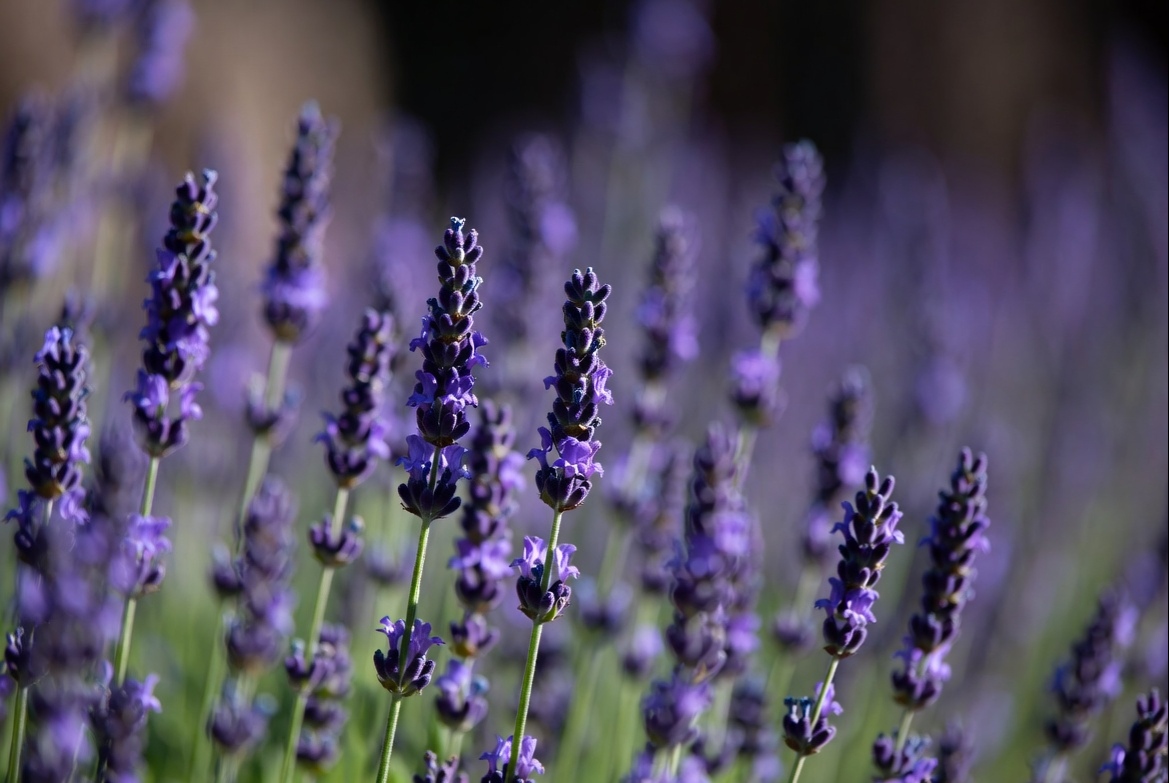
Globally, lavender has been used for over 2,500 years as a medicinal plant. Ancient Egyptians used it in the mummification process. Roman soldiers carried it into battle for wound healing. Today, science is catching up with what those civilisations already knew. Lavender contains linalool and linalyl acetate, two powerful compounds with proven anti-anxiety and anti-inflammatory properties. Studies across Europe and Asia have found that lavender consumption, whether through teas, infusions, or culinary use, can significantly reduce stress hormones and support healthier sleep patterns.
From a nutritional standpoint, lavender is rich in calcium, iron, and Vitamin A. It is antibacterial, antifungal, and packed with antioxidants that protect cells from the sort of chronic oxidative stress that underlies most modern disease.
In the kitchen, dried lavender flowers can be added to shortbread, honey, salad dressings, and even savoury lamb dishes. A single tablespoon of lavender tea before bed has, for millions of people, replaced prescription sleep aids entirely.
2. Hibiscus
If lavender is the quiet, contemplative beauty, hibiscus is its bold, unapologetic counterpart. Found across West Africa, the Caribbean, Central America, and South-East Asia, the hibiscus flower is one of the most visually arresting plants on earth. Its petals, deep scarlet, flaming orange, or brilliant magenta, bloom wide and dramatic, like something from a painting rather than a garden.
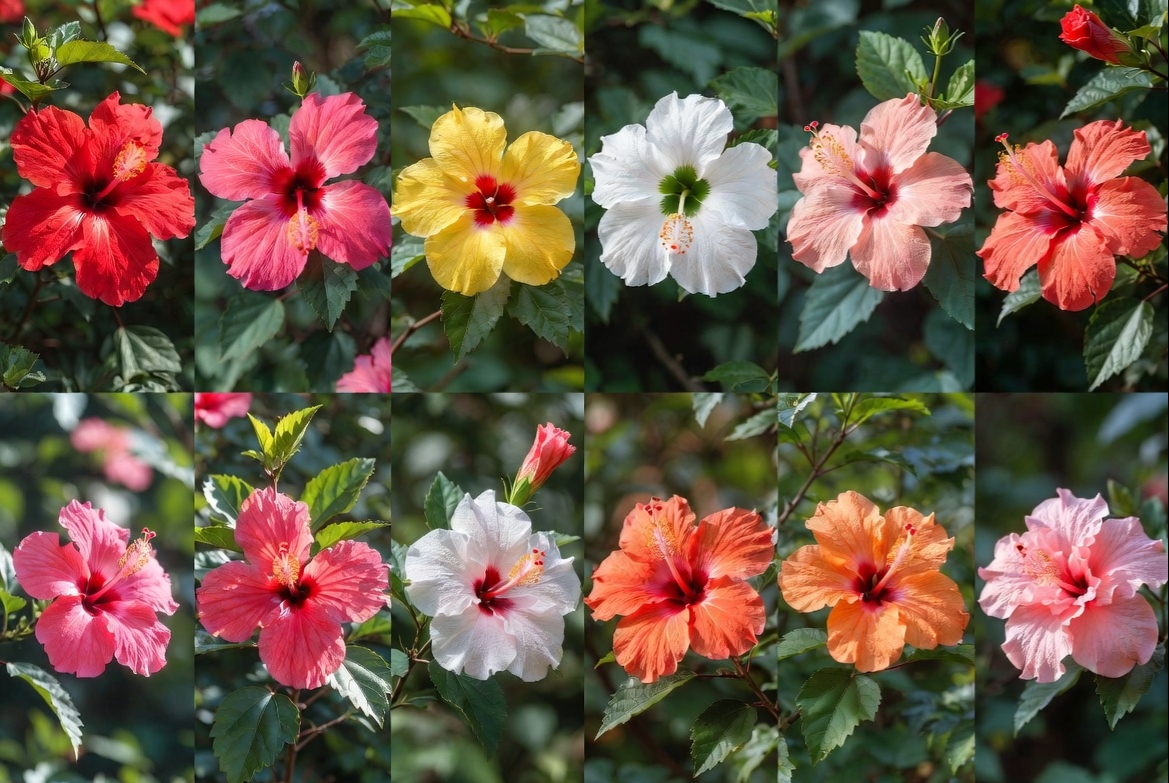
In Nigeria and across West Africa, hibiscus is known as zobo, and the drink made from its dried petals has been a daily ritual for generations, long before the Western world started selling it in health food shops at three times the price.
The nutritional profile of hibiscus is, frankly, astounding. It is one of the highest plant-based sources of Vitamin C on the planet. Some studies even suggest that a single cup of hibiscus tea contains more Vitamin C than an orange. It is loaded with anthocyanins, the antioxidants responsible for its brilliant red colour, which have been shown to reduce blood pressure, lower LDL cholesterol, and protect the liver.
A landmark study published in the Journal of Nutrition found that people who consumed hibiscus tea daily over six weeks showed a measurable reduction in systolic blood pressure. In a world where hypertension affects over 1.28 billion people globally, this is not trivial. This is a flower with the potential to save lives.
It is tart, vibrant, deeply refreshing, and completely beautiful to look at. The fact that it is also medicine feels almost unfair.
3. Calendula
Calendula, sometimes called pot marigold, is the kind of flower that looks painted rather than grown. Its petals range from pale lemon yellow to a deep, almost burnt tangerine, and they carry a warm, resinous fragrance that feels intensely alive.
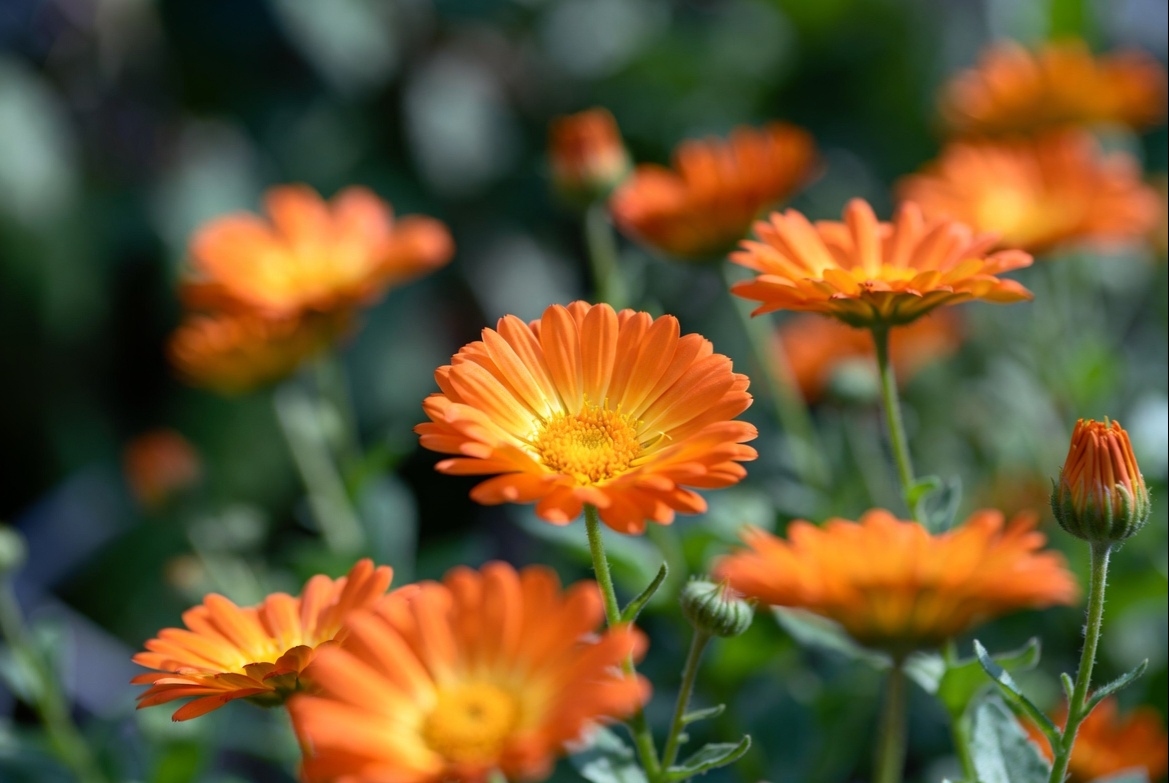
Used medicinally for over 1,000 years across Europe, the Middle East, and parts of Asia, calendula is perhaps the most well-documented healing flower in the world. It was applied to wounds in both World Wars when other medicines ran short. It was prescribed by medieval herbalists for everything from fevers to infections. Today, it remains the active ingredient in some of the most trusted topical creams and natural skincare products on shelves globally.
Internally, calendula is a powerhouse. Its petals are rich in flavonoids, triterpenoids, and polysaccharides, compounds that together act as anti-inflammatory agents, immune boosters, and digestive soothers. Calendula tea has been used across Southern Europe for generations to support gut health and ease stomach cramps. In India, it is often incorporated into post-surgical recovery diets.
What makes calendula particularly remarkable is its lutein content, one of the most important carotenoids for eye health. In a world where screen time is at an all-time high and age-related macular degeneration is rising sharply, a flower that actively protects vision feels almost prophetic.
The petals can be eaten fresh in salads, brewed as tea, stirred into rice dishes, or even baked into breads. It is cheerful, resilient, and generous, much like the best kind of people.
4. Elderflower
If you have ever walked through the English countryside in late spring and caught the scent of elderflower drifting over a hedgerow, you know exactly why this flower has been beloved in Britain for centuries. It is delicate. It is intoxicating. It smells faintly of pears and honey and something that cannot quite be named.
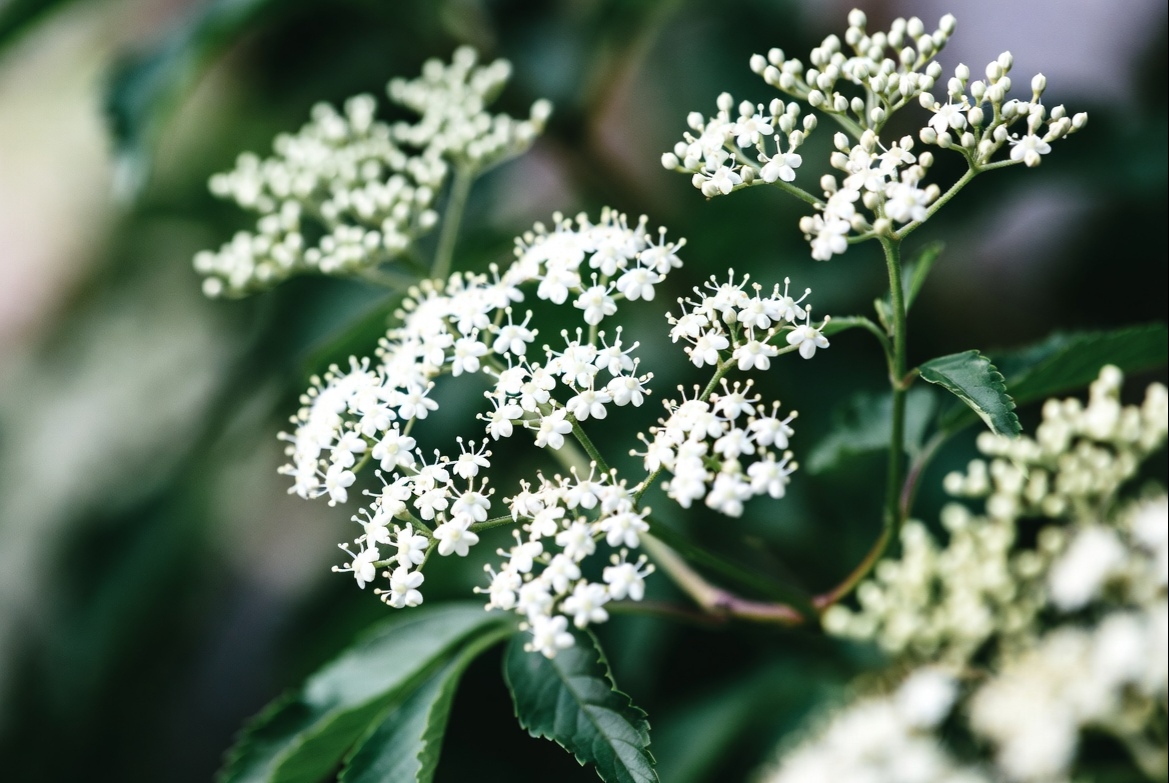
The elder tree (Sambucus nigra) has been called the "medicine chest of country folk" for good reason. Every part of it has traditionally been used for health but it is the flower that carries the most concentrated nutritional and healing power. Elderflowers are rich in Vitamin C, quercetin, and rutin, a trio of nutrients that together support immune resilience, reduce inflammation, and strengthen blood vessels.
Research from Scandinavian and Central European universities has consistently found that elderflower extracts can inhibit the replication of multiple influenza strains, a finding that is particularly striking in the post-pandemic world. Communities across Austria and Germany never stopped making elderflower cordial, elderflower wine, and elderflower fritters, and their long-established relationship with this flower feels increasingly prescient.
Beyond immunity, elderflower has been shown to support respiratory health, reduce sinus congestion, and act as a natural antihistamine. For the millions of people who suffer from seasonal allergies each year, elderflower is not just a beautiful drink. It may be a genuinely effective natural intervention.
5. Nasturtium
Nasturtiums are the rebels of the flower world. They tumble and sprawl with cheerful abandon, blazing in shades of fiery orange, sunset yellow, and deep brick red. They require almost no attention, grow nearly anywhere, and seem completely indifferent to being underestimated.
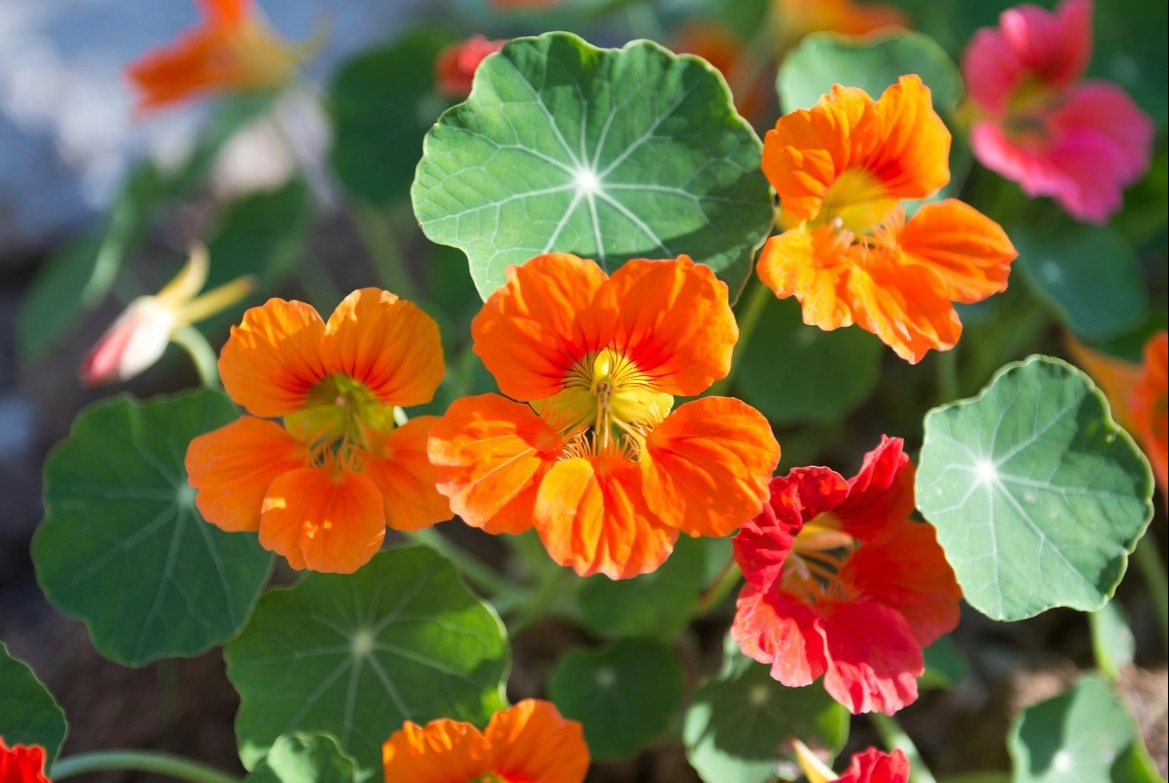
They should not be underestimated.
Nasturtiums are entirely edible (flowers, leaves, and seeds), and they contain a nutritional profile that rivals many so-called superfoods. The flowers and leaves are exceptionally high in Vitamin C and contain significant levels of iron, lutein, zeaxanthin, and glucosinolates, sulphur compounds also found in broccoli and kale, known for their potent anti-cancer properties.
Across South America, where the nasturtium originates, it has been used medicinally for centuries to treat respiratory infections and urinary tract issues. Its natural antibiotic properties, similar in structure to pharmaceutical sulphonamides, have attracted serious scientific interest in an era increasingly concerned about antibiotic resistance.
In the kitchen, nasturtium flowers have a peppery, mustard-like flavour that is wonderfully surprising in salads, stuffed into canapés, or scattered over pasta. The seeds can be pickled and used like capers. The leaves can be blended into pesto. Nothing goes to waste. Nothing is merely decorative.
In Conclusion
There is a profound lesson in all five of these flowers. For too long, we have drawn a hard line between what is beautiful and what is useful, between what delights the eye and what nourishes the body. These flowers dissolve that line entirely.
They grow in gardens across every continent. They are largely affordable or freely available. They carry within their petals compounds that modern medicine is only beginning to understand. Also, they are, without question, some of the most visually extraordinary things on this planet.
Perhaps the real question is not why we are only just paying attention, but what other gifts nature has been quietly offering us all along.


Comments (0)
Please sign in to join the conversation.
Loading comments...