

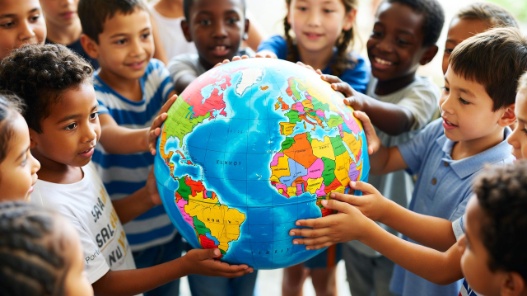
Never before has the world been so connected. Through the internet, travel, social media, and global entertainment, children today can experience cultures from across the globe without ever leaving their homes.
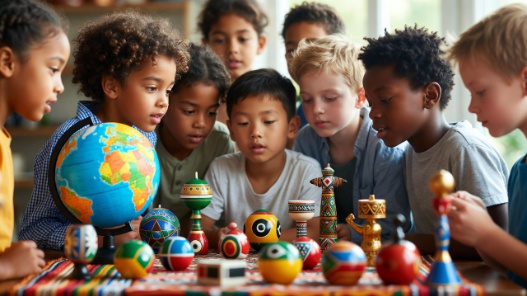
A child in Lagos might watch cartoons from Japan, listen to music from America, learn recipes from Italy, and chat online with friends in the UK. While this global exposure is exciting, it also raises an important question for many parents:
How do we ensure our children stay connected to their cultural roots in such a rapidly changing world? Culture is more than traditional clothing, food, or festivals. It is a collection of values, beliefs, behaviours, and stories that shape how people see the world.
When you pass these values to your children, you give them something deeply powerful; a sense of identity and belonging. In a globalised world, your children do not need to choose between tradition and modernity. With the right guidance, they can learn to appreciate the world while still understanding where they come from.
Why Cultural Values Matter More Than Ever
Many parents assume that children will naturally absorb their culture simply by growing up in the family. However, in today's interconnected world, this is not always the case.
Children are constantly influenced by television, social media, school environments, and friends from different backgrounds. Without intentional effort from parents, cultural traditions can slowly fade. Cultural values give children several important advantages.
1. A Strong Sense of Identity. Children who understand their cultural background tend to feel more secure in who they are. They know their story, their heritage, and the traditions that shaped their family. This sense of identity becomes especially important as children grow older and face peer pressure or cultural confusion.
2. Emotional Connection to Family. Culture often strengthens family bonds. Shared traditions, language, and customs help children feel connected not just to their parents, but also to grandparents, ancestors, and extended relatives.
3. Respect for Diversity. Ironically, children who understand their own culture well are often more open to appreciating other cultures. When identity is secure, curiosity replaces insecurity.
The Challenges of Raising Culturally Grounded Children Today
Globalisation has brought wonderful opportunities, but it also presents challenges when it comes to cultural transmission.
The Influence of Global Media. Children today spend a large amount of time consuming global entertainment. Many shows, games, and social media trends promote lifestyles or values that may differ from family traditions. Without guidance, children may begin to see their own culture as outdated or less exciting.
Busy Family Lifestyles. Modern life is fast-paced. Between work, school, and other commitments, many families no longer have the time for traditional gatherings, storytelling, or cultural rituals. Yet these moments are often where culture is quietly passed down.
Language Loss. In many families, especially those living abroad, children may grow up speaking only the dominant language around them. When the native language disappears, an important cultural bridge disappears with it.
Practical Ways to Pass Cultural Values to Your Children
The good news is that culture does not need grand ceremonies to survive. Often, it lives in simple daily practices.
1. Tell Family Stories
Stories are one of the oldest ways culture is preserved.
Children love hearing about their parents’ childhoods, how grandparents lived, or how family traditions began. These stories create emotional connections and help children see themselves as part of something bigger. You might tell them:
* How their grandparents met
* What school life was like when you were young
* The traditions your family followed growing up
These stories make culture personal rather than abstract.
2. Celebrate Cultural Festivals
Festivals bring culture to life in colourful and joyful ways. Whether it is traditional holidays, harvest celebrations, or religious festivals, these events help children experience culture through food, music, clothing, and community.
More importantly, festivals create memories. A child may forget a lecture about culture, but they will remember dancing, laughter, and family gatherings.
3. Cook Traditional Foods Together
Food is one of the most powerful carriers of culture. Cooking traditional meals with your children allows them to experience culture with their senses; the smells, tastes, and preparation methods that have been passed down for generations.
Instead of simply cooking for them, invite them into the kitchen. Let them learn:
* Why certain foods are eaten during celebrations
* How recipes were passed down in the family
* The stories behind particular dishes
These moments turn cooking into a cultural lesson.
4. Teach Your Native Language
Language carries culture in a unique way. Certain expressions, proverbs, or greetings cannot be perfectly translated into another language. When children learn their native language, they gain access to cultural wisdom embedded within it.
You do not need to force strict lessons. Instead, use natural methods:
* Speak the language during daily conversations
* Teach simple greetings and proverbs
* Sing traditional songs together
Over time, familiarity builds confidence.
5. Model Cultural Values Through Behaviour
Children learn more from what parents do than what they say. If respect for elders is part of your culture, demonstrate it in how you speak to older relatives. If generosity is valued, involve your children in acts of kindness. When children see cultural values practised consistently, they naturally adopt them.
6. Encourage Cultural Pride
Some children feel embarrassed about their cultural background, especially if they are surrounded by peers from different cultures. Parents play a crucial role in shaping how children see their identity.
Celebrate your culture openly. Speak positively about traditions, history, and heritage. When children see their parents proud of their background, they are more likely to feel the same.
7. Connect Children With Extended Family
Grandparents, aunts, uncles, and older relatives are powerful cultural teachers. They often hold stories, traditions, and experiences that parents may not even know themselves.
Encourage your children to spend time with older relatives whenever possible. Conversations with grandparents can provide cultural lessons that no textbook could replace.
8. Use Technology as a Cultural Bridge
While global media can dilute culture, it can also help preserve it. You can introduce your children to:
* Cultural documentaries
* Traditional music
* Online language lessons
* Videos about cultural history
Instead of fighting technology, use it to strengthen cultural awareness.
Helping Your Children Balance Tradition and Modern Life
Passing cultural values does not mean rejecting modern influences. Your children should feel free to explore the world while still understanding their roots.
Think of culture like a tree. The deeper the roots, the stronger the branches can grow. When your children know where they come from, they feel confident engaging with new cultures, ideas, and experiences. Rather than forcing culture on children, you should aim to make it meaningful and relevant. Ask questions like:
* What traditions do we want our children to remember?
* Which values define our family identity?
* How can we make these traditions enjoyable?
Culture survives best when it feels alive rather than forced.
What to Do When Your Children Begin Asking Questions
As your children grow older, they may question traditions or compare them with what they see around them. This curiosity should not be discouraged. Instead, it offers an opportunity for meaningful conversation.
Explain the history and meaning behind your cultural practices. Be open to adapting traditions in ways that still honour their core values. Culture evolves, but its spirit can remain intact.
The Legacy Parents Leave Behind
One day, today’s children will become parents themselves. The traditions they pass to the next generation will depend largely on what they experienced growing up.
Culture is not preserved in museums or history books alone. It survives in kitchens, family gatherings, conversations, songs, and everyday life. When you intentionally pass down cultural values, you give your children something priceless, a sense of belonging that no global trend can replace.
In a world that is becoming increasingly connected, knowing one's roots is not a limitation.
It is a strength.
Raising Your Children With Roots and Wings
The goal is not to isolate your children from the world. Instead, it is to prepare them to engage with it confidently. Children who understand their cultural heritage often grow up more grounded, empathetic, and self-aware.
They learn that while the world is full of different cultures, every person carries a story worth respecting. It all begins at home; with the traditions, values, and stories you choose to share. In the end, the greatest cultural lesson your children learn is not what they are told. It is what they live every day within their family.



Comments (0)
Please sign in to join the conversation.
Loading comments...