

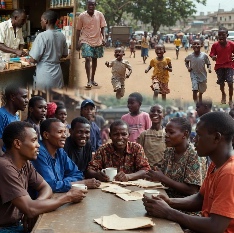
In the bustling streets of Lagos, where the daily grind of traffic, rising costs, and long work hours define life for many, single parents carry an extraordinary load. Yet amid economic pressures, societal stigma, and limited formal support, countless single mothers and fathers are not just surviving they’re thriving. They are building stronger futures for their children, reclaiming their narratives, and proving that resilience isn’t about avoiding hardship; it’s about rising through it.
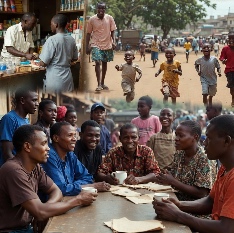
As of 2026, single-parent households continue to rise in Nigeria, with estimates suggesting around 11% of families are headed by a single parent (often women, at roughly 73% in some regions). Globally and locally, factors like divorce, widowhood, separation, and unplanned pregnancies contribute to this reality. In Lagos, the challenges are amplified: financial instability from job insecurity, high living costs, childcare shortages, and cultural judgment that labels single mothers as “failures” or questions single fathers’ nurturing abilities. Studies and reports highlight how single parents face discrimination, emotional burnout, and barriers to credit or stable employment. Yet, the stories emerging from these homes are ones of profound triumph—personal growth, unbreakable bonds with children, and communities stepping in where systems fall short.
The Everyday Battles and Quiet Victories
Consider the single mother in Egbeda or Ikeja juggling multiple gigs catering, cleaning, laundry to keep the lights on and her child in school. Or the single father navigating societal expectations that men “shouldn’t” handle emotional caregiving alone, all while providing financially in a tough economy. These parents often report chronic stress, but many transform it into fuel for determination.
One recurring theme in 2026 narratives is financial ingenuity and self-reliance. Single parents in Lagos frequently turn to entrepreneurship: starting small businesses like food vending, tailoring, or online sales. Vocational training programs, even informal ones, help them gain skills in baking, hairdressing, or digital freelancing. A single mother who once struggled with bills might now run a thriving home-based catering service, crediting her turnaround to learning budgeting and accessing microloans through community groups. These steps not only stabilize income but foster pride and independence.
Emotional resilience shines too. Children raised by single parents often develop exceptional grit, empathy, and problem-solving skills watching their parent overcome obstacles teaches them adaptability early. Parents report stronger, more open bonds with their kids: shared decision-making, honest talks about life’s realities, and mutual support that builds lifelong closeness.
The Power of Support Networks
No triumph happens in isolation. In Lagos, where government aid remains limited no widespread cash transfers or dedicated single-parent policies informal and community-driven networks fill the gap.
• Family and kinship ties remain the backbone: grandparents, aunts, uncles, and neighbors often provide childcare, meals, or emotional support. Extended family “villages” help bridge gaps in a society where community is valued.
• Online and grassroots groups thrive: Facebook communities like “Single Mothers in Nigeria” (with thousands of members) or “Single Mums Solace” offer advice, emotional venting, job leads, and even small donations. Members share childcare swaps, business tips, and encouragement—creating safe spaces free from judgment.
• NGOs and initiatives make tangible differences:
• Singularly Me Mothers Support Initiative provides microfinance, entrepreneurship training, and girls’ education mentorship.
• Supermum Charity Initiative (formerly Single Super Mums) supports over 14,000 single mothers across Africa with empowerment programs, awareness campaigns, and community building.
• Hope for Family Development Initiative (HFDI) offers vocational training, counseling, equipment for businesses, and advocacy against stigma.
• Nigerian Single Mothers Foundation (NSMF) and others focus on practical needs like food, clothing, and scholarships.
These networks reduce isolation, build confidence, and provide resources that formal systems often lack. In 2026, many single parents credit joining such groups with turning “survival mode” into “thriving mode.”
Looking Ahead: Building Stronger Futures
Single-parent triumphs in 2026 highlight a truth: resilience is amplified by connection. While challenges persist—economic inequality, cultural biases, mental health strains—the growing visibility of these stories shifts perceptions. Society increasingly recognizes single parents as capable, loving providers rather than “broken” families.
For lasting change, experts call for:
• Stronger child support enforcement and family-friendly policies (flexible work, subsidies).
• Reduced stigma through education and media.
• Expanded access to affordable childcare, healthcare, and skills programs.
Single parents aren’t asking for pity they’re demonstrating strength daily. Their victories remind us that family success isn’t defined by structure but by love, perseverance, and community. In Lagos and beyond, these families aren’t just enduring; they’re inspiring a more inclusive, supportive Nigeria.



Comments (0)
Please sign in to join the conversation.
Loading comments...