

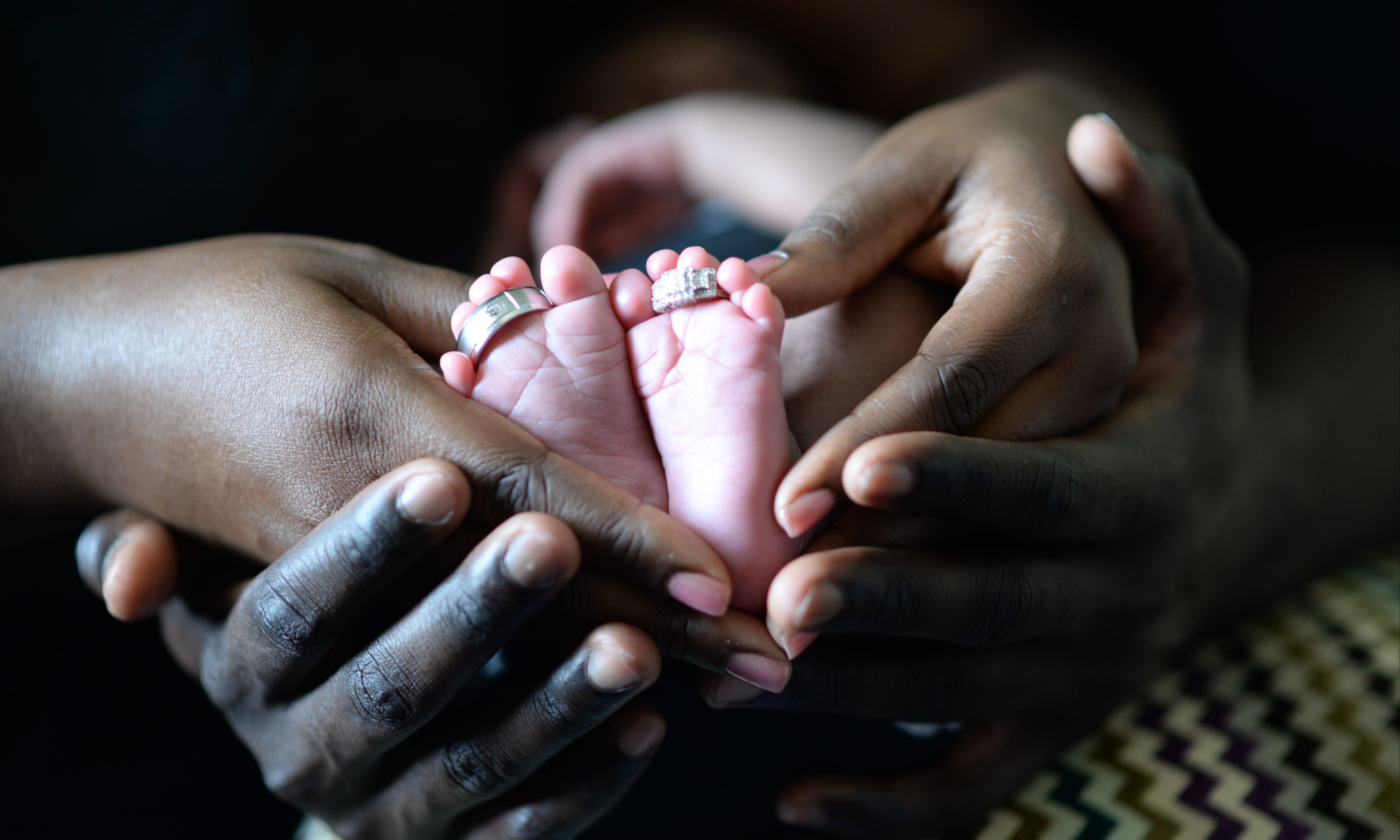
Yves Nshimirimana, 10 years old, had a habit his teacher once mentioned gently at a parent meeting: he paused at doorways. Not for long, just a half-second, his small shoulders lifting slightly before he stepped through, the way a person tests floorboards they don't trust.

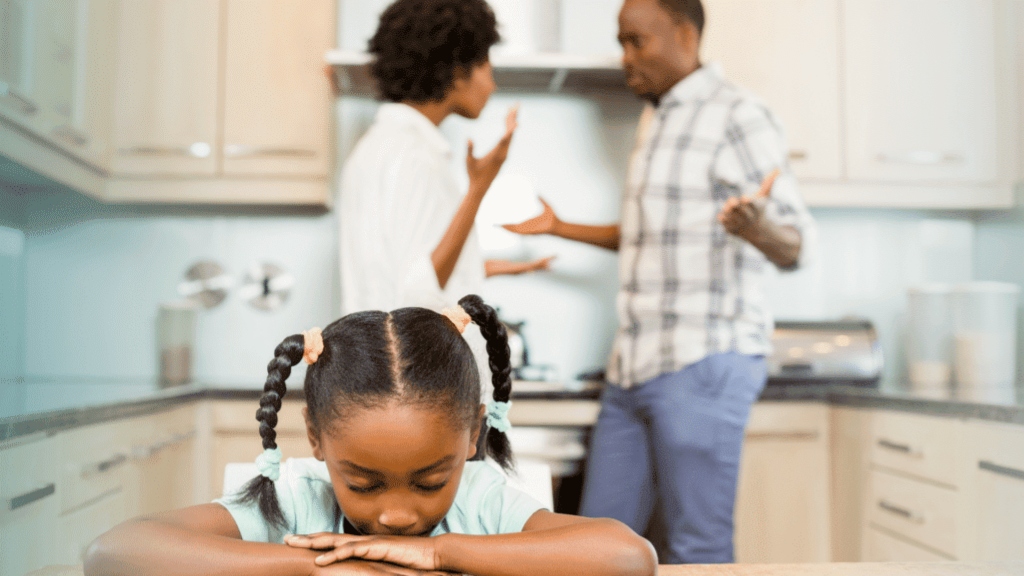
At home, that bracing made a strange kind of sense. His parents, Espérance and Aimé, loved him fiercely, fed him well, checked his homework every evening without fail, and yet the air in that house carried a static charge Yves had learned to read before he could properly read a book.
He knew, from the particular way his mother stacked the plates, whether dinner would be quiet or whether it would end with his father leaving the table and the compound gate slamming behind him. He knew, from the pitch of a single "hm" in response to a simple question, whether the evening would stay calm or curdle into hours of clipped sentences passed between his parents like cold porridge nobody wanted to finish.
Nobody in that house was cruel. Aimé worked long, exhausting hours managing a transport business that never quite broke even, and he carried that financial pressure home every single evening like a second job nobody paid him for.
Espérance, meanwhile, had grown up in a household where disagreements were settled through days of silence rather than conversation, so silence had become her own default weapon too, wielded without her even fully realising she was using it.
Children raised in tension don't simply "get used to it." They adapt in ways that look like coping but function like quiet damage.
Yves had become an expert mood-reader, which sounds almost like a skill until you realise what it costs a child to spend that much daily energy monitoring adults instead of simply being a child.
He'd also become conflict-avoidant to a fault, agreeing with whatever was said around him, because agreement felt safer than risking one more spark in a house already full of them.
There's no single terrible incident a parent can point to and fix. It's the accumulation, the doorway pause repeated a thousand times, the child learning that home is a place to be managed rather than a place to simply exist in.
14 Things Parents Can Do To Rebuild Peace At Home
1. Name the tension out loud to your child, appropriately. Something as simple as "Papa and I are working through something; it isn't your fault" removes the guessing game that exhausts children.
2. Notice your own doorway habits before your child develops theirs. Yves' pause started somewhere; trace it back to its source.
3. Separate financial stress from family atmosphere as much as possible. Money pressure is real, but it doesn't have to become the household's permanent weather.
4. Replace silence-as-punishment with clear, calm communication, even when the conversation is uncomfortable to have.
5. Create one reliable, peaceful ritual daily so your child has at least one guaranteed calm anchor point.
6. Watch for the mood-reading behaviour in your own child and gently name it: "You don't need to manage how I'm feeling, that's not your job."
7. Apologise directly to your child after a tense evening, even briefly, because unacknowledged tension teaches a child that their discomfort doesn't matter.
8. Resolve disagreements away from small ears whenever genuinely possible, and let your child witness resolution too, not only conflict.
9. Ask your child a direct, simple question: "Does home feel like a safe place to you?" Then actually sit with the answer.
10. Involve extended family or trusted elders early, the way Espérance eventually did with her sister, rather than waiting until tension has fully calcified.
11. Seek outside support without shame, whether a school counsellor, a religious leader, or a community elder; asking for help is not a family failure.
12. Give your child language for their own feelings, so mood-reading skills can slowly convert into emotional vocabulary instead of silent vigilance.
13. Rebuild small trust through consistency, because peace isn't restored through one big gesture; it's restored through many small, predictable, calm days stacked together.
14. Remember that children don't need a perfect home; they need a predictable one, where tension gets named, addressed, and resolved rather than left to hang in the air indefinitely.
A child working hard to survive a home that hasn't yet learned to hold its own peace, and it is entirely within your reach to build that home back, one predictable evening at a time.


Comments (0)
Please sign in to join the conversation.
Loading comments...