

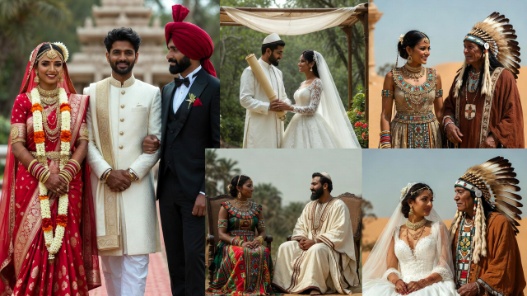
Many people believe marriage is simply about two people falling in love and deciding to build a life together. While love is important, culture often plays a much bigger role than we realise. From the way partners are chosen to the roles expected after the wedding, culture quietly influences how people see marriage.

Across the world, families, communities, and traditions shape what people expect from a husband or wife. These expectations can influence how couples communicate, handle conflict, raise children, and even define happiness in their marriage.
Some expectations are spoken openly, while others are unspoken rules passed down through generations. In many cases, many people do not realise how deeply these cultural ideas have shaped their thinking until they enter a relationship with someone from a different background.
Understanding the influence of culture on marriage expectations can help couples avoid misunderstandings and build stronger relationships. It allows you to recognise where your beliefs come from and decide which traditions you want to keep and which ones you may want to rethink.
Culture Begins Shaping Marriage Long Before the Wedding
Cultural expectations about marriage usually start long before a person even begins dating. From childhood, people observe how marriages work around them.
Children watch how their parents interact, who makes decisions, how conflicts are handled, and how responsibilities are shared. These observations quietly shape what they believe a “normal” marriage should look like.
In some cultures, marriage is seen as a partnership between two individuals. In others, it is considered a union between two families. This difference alone can affect many decisions within a marriage.
For example, in family-oriented societies, relatives may play a strong role in choosing a partner, organising the wedding, or even influencing decisions within the marriage. In more individualistic cultures, couples are expected to make these decisions on their own.
Neither approach is necessarily right or wrong. They simply reflect the values that different cultures hold.
Family Expectations Can Be Powerful
In many parts of the world, family approval is considered an essential part of marriage. Parents and relatives may have strong opinions about who someone should marry, when they should marry, and what kind of partner is suitable. These expectations may be influenced by factors such as religion, social class, tribe, education level, or financial stability.
Sometimes these expectations can create pressure, especially when a person's personal desires conflict with family traditions. A person may fall in love with someone their family does not approve of, leading to difficult choices.
Even after marriage, families may continue to play an active role. Advice, involvement in child-raising, and participation in family decisions can strengthen relationships, but they can also create tension if boundaries are unclear.
The challenge for many couples is learning how to respect family traditions while still building their own identity as a couple.
Gender Roles and Cultural Beliefs
One of the strongest ways culture influences marriage is through gender roles. Different cultures have different expectations about what a husband and wife should do within a marriage. These expectations may involve financial responsibility, household duties, parenting roles, and decision-making authority.
In some traditional settings, men are expected to be the primary providers while women manage the home and care for children. In more modern societies, couples often share responsibilities more equally.
However, cultural expectations do not always disappear simply because society changes. Many people still carry traditional beliefs even when their lifestyle is different.
For example, a woman who works full-time may still feel pressure to handle most domestic tasks because that is what she saw growing up. Similarly, a man may feel pressure to carry the entire financial burden because his culture defines masculinity that way.
These silent expectations can create stress if couples do not openly discuss them.
Cultural Differences in Love and Romance
Culture also shapes how people express love. In some cultures, romantic expression is open and verbal. Couples openly share affection, compliments, and emotional conversations. In other cultures, love is shown more through actions such as providing for the family, showing respect, or fulfilling responsibilities.
This difference can sometimes lead to misunderstandings, especially in cross-cultural relationships.
One partner may expect frequent verbal expressions of love, while the other believes their devotion is already obvious through their actions.
Neither person is wrong. They simply learned different ways of expressing care. Recognising these differences can help couples appreciate each other's intentions rather than misinterpret them.
Marriage Timing and Social Pressure
Another area where culture plays a major role is the expected age for marriage. In some communities, people are encouraged to marry young and start families early. Remaining single for too long may attract social pressure or constant questioning from relatives and friends.
In other cultures, people are encouraged to focus on education, career, and personal development before considering marriage.
These expectations can influence how individuals view their life timeline. Someone raised in a culture where early marriage is valued may feel anxious or worried if they are still single in their thirties. On the other hand, someone from a culture that prioritises independence may feel uncomfortable with the idea of marrying too young.
Understanding these cultural timelines can help people manage external pressure and make decisions that align with their personal values.
Weddings as Cultural Celebrations
Weddings themselves are often powerful expressions of culture. The ceremonies, clothing, music, food, and rituals used during weddings often carry deep symbolic meaning. These traditions connect couples to their heritage and family history.
For many families, weddings are not just about the couple. They are celebrations of identity, community, and continuity. However, wedding expectations can also become a source of stress. Some couples feel pressure to organise large celebrations even when they prefer something smaller or simpler.
Balancing personal preferences with cultural traditions can be one of the first major decisions couples make together.
The Challenge of Cross-Cultural Marriages
As the world becomes more connected, cross-cultural marriages are becoming more common. While these relationships can be rich and rewarding, they also bring unique challenges.
Couples may have different expectations about family involvement, religious practices, parenting styles, or financial responsibilities. Even simple traditions such as holiday celebrations or food preferences can highlight cultural differences.
Success in cross-cultural marriages often depends on communication, curiosity, and respect. Instead of viewing differences as obstacles, couples can see them as opportunities to learn from each other. When handled with understanding, cultural diversity can strengthen a relationship rather than weaken it.
When Cultural Expectations Become Pressure
While culture can provide guidance and stability, it can also create pressure when expectations become rigid. Some individuals feel trapped between their personal desires and the expectations placed upon them by family or community. This tension can affect mental health and relationship satisfaction.
For example, someone may feel pressured to stay in an unhappy marriage because divorce is strongly discouraged within their culture. Others may feel forced into roles that do not match their personality or ambitions.
Healthy relationships require flexibility. Culture should guide people, not control them completely. Recognising this balance allows you to honour your traditions while still creating marriages that reflect their authentic selves.
Creating a Marriage That Respects Culture and Individuality
The most successful marriages often find a balance between tradition and personal choice. Couples who openly discuss their cultural expectations early in the relationship tend to experience fewer conflicts later. These conversations help both partners understand each other's beliefs and values.
These questions can be helpful:
What did marriage look like in your family growing up?
What roles do you expect in a marriage?
How involved should extended family be?
Which traditions are most important to you?
These discussions create clarity and help couples design a relationship that respects both backgrounds.
Marriage does not have to follow a fixed script written by culture. Instead, you can thoughtfully choose which traditions you want to keep, adapt, or leave behind.
In Summary
Culture plays a powerful role in shaping marriage expectations, often in ways people do not immediately recognise. It influences how people choose partners, express love, divide responsibilities, and interact with family.
While traditions can provide meaning and stability, they should not prevent couples from creating a relationship that works for them.
The key is awareness. When you understand the cultural influences behind your beliefs, you gain the freedom to decide how those beliefs will shape your marriage.
In the end, every marriage becomes its own unique story. One that blends culture, personal values, and shared experiences into something meaningful for both partners.


Comments (0)
Please sign in to join the conversation.
Loading comments...