

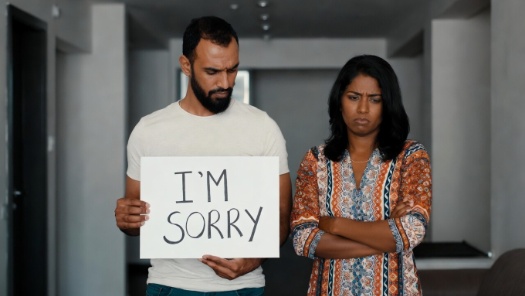
Marriage is often described as a partnership built on love, trust, patience, and commitment. Yet, even the strongest marriages encounter moments of pain. Words are spoken in anger. Promises are broken. Trust may be shaken. In these moments, one question quietly emerges in the heart of many spouses: How much forgiveness is too much?

Forgiveness is widely celebrated as a virtue in marriage. Many people believe that a successful marriage requires the ability to forgive again and again. While forgiveness can heal wounds and rebuild relationships, there are also times when people wonder whether continuing to forgive may cause more serious emotional damage.
So when does forgiveness strengthen a marriage, and when does it become a silent burden? Understanding this delicate balance is essential for couples who want to protect both their relationship and their emotional well-being.
Why Forgiveness Matters in Marriage
No marriage is perfect. Two individuals with different personalities, experiences, and expectations come together to build a life. Naturally, disagreements and mistakes are unavoidable.
Forgiveness plays a crucial role in keeping a marriage healthy because it allows couples to move forward rather than remain trapped in resentment. When forgiveness is genuine, it can:
* Restore emotional closeness
* Reduce anger and bitterness
* Strengthen empathy between partners
* Encourage personal growth
* Create a safer emotional environment in the relationship
In many cases, forgiveness allows couples to transform painful experiences into opportunities for deeper understanding. A couple that learns to forgive sincerely often develops stronger emotional resilience over time.
However, forgiveness is not simply about saying “I forgive you.” It is a process that requires honesty, accountability, and genuine change.
The Difference Between Forgiveness and Tolerance
One of the biggest misunderstandings in marriage is confusing forgiveness with tolerance. Forgiveness means letting go of resentment after a genuine apology and effort to make things right.
Tolerance, on the other hand, means continuing to accept behaviour that repeatedly causes harm.
For example, forgiving a partner after a heated argument is healthy. However, constantly forgiving a partner who repeatedly insults, manipulates, or disrespects you without showing any effort to change can slowly damage your emotional health.
In healthy marriages, forgiveness is accompanied by responsibility and growth. Both partners acknowledge their mistakes and actively work to improve the relationship.
Without this effort, forgiveness can become a cycle of pain rather than a path to healing.
When Forgiveness Strengthens a Marriage
Forgiveness can be incredibly powerful when certain conditions are present.
1. When There Is Genuine Remorse: True forgiveness becomes possible when the partner who caused the hurt sincerely acknowledges their mistake. A meaningful apology includes:
* Taking full responsibility
* Expressing genuine regret
* Showing empathy for the pain caused
* Making a clear commitment to change
When someone shows real remorse, forgiveness becomes a bridge back to trust.
2. When Behaviour Actually Changes: Apologies without change rarely rebuild trust. Forgiveness strengthens a marriage when actions begin to match promises. For example, a partner who previously ignored family responsibilities might start making consistent efforts to be more present and supportive. Over time, these actions prove that the relationship truly matters.
3. When Both Partners Are Willing to Grow: Sometimes the conflict that leads to forgiveness becomes an opportunity for deeper emotional maturity. Couples who reflect on their mistakes often learn:
* Better communication skills
* Greater patience
* More empathy for one another
* Healthier ways to handle conflict
When both partners are willing to grow, forgiveness becomes a turning point rather than a temporary solution.
When Forgiveness Starts to Hurt More Than It Heals
While forgiveness is powerful, it should never require someone to sacrifice their dignity, safety, or mental health. There are situations where forgiveness alone cannot repair the damage.
1. Repeated Betrayal: Trust is one of the pillars of marriage. When betrayal becomes a pattern, whether through dishonesty, infidelity, or broken promises, forgiveness becomes increasingly difficult. Repeated betrayals can leave a spouse feeling emotionally exhausted, anxious, and insecure. Forgiveness may still occur, but rebuilding trust requires significant effort and transparency from the partner who broke it.
2. Lack of Accountability: If a partner constantly shifts blame, denies wrongdoing, or refuses to acknowledge the harm they caused, forgiveness becomes one-sided. A marriage cannot heal when only one person carries the emotional responsibility of keeping the relationship together. Accountability is essential for meaningful reconciliation.
3. Emotional or Psychological Harm: Some behaviours cause deeper wounds than simple disagreements. Constant criticism, manipulation, humiliation, or emotional neglect can slowly erode a person's self-worth. In these cases, repeatedly forgiving harmful behaviour without addressing the root issue can lead to long-term emotional damage. Forgiveness should never mean accepting mistreatment.
The Emotional Weight of Constant Forgiveness
Many people stay in painful cycles of forgiveness because they believe it is their duty to keep the marriage together. Cultural expectations, family pressure, or religious beliefs may reinforce the idea that forgiveness must be endless. However, constantly forgiving without seeing meaningful change can lead to:
* Emotional burnout
* Loss of self-confidence
* Chronic stress and anxiety
* Feelings of helplessness
* Deep resentment over time
Ironically, the desire to preserve the marriage may slowly weaken the emotional foundation of the relationship.
Healthy Boundaries Are Not a Lack of Love
Setting boundaries in marriage is often misunderstood. Some people believe boundaries signal rejection or distance. In reality, boundaries protect the emotional health of both partners. Healthy boundaries might include:
* Refusing to tolerate disrespectful language
* Expecting honesty and transparency
* Taking time apart to process emotional pain
* Seeking professional counselling when needed
Boundaries create a framework where forgiveness can exist alongside self-respect. Without boundaries, forgiveness can become silent suffering.
Can Trust Truly Be Rebuilt?
Many couples who face serious conflicts wonder if their marriage can ever return to the way it was before the hurt. The truth is that trust rarely returns in exactly the same form. Instead, couples often build a new version of trust. Rebuilding trust takes time and consistent effort. It often involves:
* Honest communication
* Transparency about actions and intentions
* Patience from both partners
* Professional guidance through counselling
Some marriages grow stronger after overcoming deep wounds because the partners learn to communicate more openly and value each other more deeply. Others may realise that despite forgiveness, the relationship can no longer provide the emotional safety both partners deserve. Both outcomes require courage and honesty.
The Quiet Strength Behind Forgiveness
Forgiveness is not weakness. In fact, it often requires tremendous emotional strength. To forgive someone who has hurt you deeply means choosing peace over bitterness. It means refusing to let anger control your future.
Yet, true forgiveness must always coexist with self-respect, honesty, and emotional safety. When these elements are present, forgiveness can rebuild love and deepen the bond between two people. When they are absent, forgiveness alone cannot carry the weight of a broken relationship.
The Question Every Couple Must Answer
Every marriage is unique, and there is no universal rule that determines how much forgiveness is enough. For some couples, forgiveness becomes the bridge that leads them back to a stronger relationship. For others, forgiveness becomes the moment they realise they must protect their own emotional well-being.
The real question is not simply how much should you forgive, but rather, Is the relationship growing healthier after each act of forgiveness? If the answer is yes, forgiveness may be nurturing the marriage. If the answer is no, it may be time for deeper reflection, honest conversations, and perhaps outside support (preferably from a professional).
In the end, a healthy marriage should never require someone to lose themselves to keep the relationship alive.



Comments (0)
Please sign in to join the conversation.
Loading comments...