

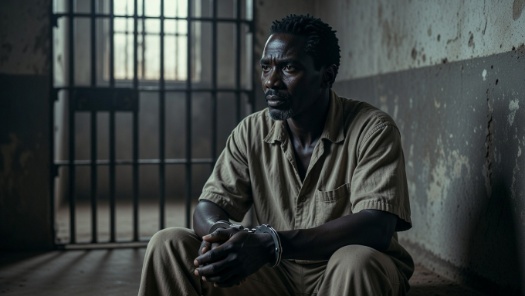
In a world where justice sometimes moves slowly or not at all, families bear the brunt of wrongful confinement. This is when someone is locked away without a proper reason, evidence, or a fair trial.
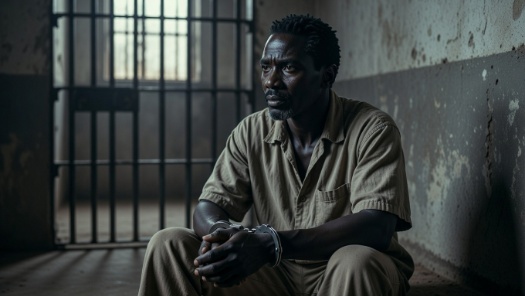
It happens more often than you think, from mistaken arrests to political detentions. But beyond the headlines, it's the families left behind who suffer quietly. Parents worry endlessly, children grow up with gaps in their lives, and homes feel incomplete.
A Family Crisis!
Wrongful confinement isn't just about the person detained; it's a family crisis. Imagine a young man, full of dreams, taken away during a peaceful march. No strong proof, no quick trial, just years in limbo.
His mother cooks his favourite meal, hoping he'll walk through the door. His siblings miss his jokes at dinner. His father ages faster from stress. This scenario plays out in too many homes.
According to human rights groups, thousands have faced prolonged detention without conviction, often for protesting or being in the wrong place. The emotional cost is huge, but families are the unsung heroes who keep going.
Who Suffers Most?
One major effect is on children. Kids need stability to thrive. When a parent or sibling is confined unjustly, that security shatters. Young ones might ask, "When is Daddy coming home?" over and over, not understanding why. Older children could act out at school, feeling angry or abandoned.
Studies from organisations like Amnesty International show that children of detained parents often face anxiety, poor grades, and even health issues like trouble sleeping. In families where extended kin help raise kids, the absence creates extra burdens. Grandmothers step in for childcare, but the emotional void remains. Children learn early about injustice, which can build resilience but also cynicism if not handled well.
Parents suffer too. For mums and dads, the pain is constant. They juggle work, bills, and visits to detention centres, all while hiding tears from the kids. Financial strain hits hard with the combination of legal fees, transport to courts, and lost income if the detainee was the breadwinner. In places where life is expensive, this can mean skipping meals or delaying school fees.
Emotionally, marriages can strain under the weight. One partner might blame the other for not doing enough, or resentment builds from exhaustion. Yet, many couples grow closer, united in their fight. Sharing prayers or attending support groups helps. Faith plays a big role in some homes and Bible verses or Quranic recitations offer hope during dark times.
Siblings feel the impact deeply. A confined brother or sister leaves a hole in daily life. Playtime turns lonely, shared secrets go unsaid. Younger siblings might idolise the absent one, creating myths around them. Older ones take on adult roles, like helping with chores or comforting parents. This builds maturity but can rob them of childhood.
In extended families, cousins and aunts provide support, but the core bond suffers. Stories from families show siblings campaigning together, turning pain into purpose. They write letters, join protests, or use social media to raise awareness, acts that strengthen family ties.
The wider family network feels the ripple. In many cultures, family isn't just nuclear. It's aunts, uncles, and cousins. Wrongful confinement tests this web. Relatives pool money for lawyers or food parcels. They offer emotional support, like hosting family gatherings to keep spirits up.
But stigma can creep in, whispers from neighbours about "troublemakers." This isolates families, making them withdraw. Yet, resilience shines through. Many turn to community groups or churches for help, rebuilding stronger networks. Proverbs like "Unity is strength" come alive as families band together.
Its Effects on Families
Mental health takes a big hit. Detention without reason breeds helplessness. Families deal with trauma from fear of raids and distrust of authorities. Parents might become overprotective, limiting kids' freedoms. Children could develop fears of separation.
Experts recommend talking openly. "It's okay to feel sad, but we're fighting together." Also, resources such as mental health hotlines or NGOs offer counselling. Simple things help too, like family journals where everyone writes messages to the detained, or photo albums to remember happy times.
Financial woes compound everything. Without the detained person's income, families slip into poverty. Mums take extra jobs, dads sell assets. Children might drop out of school. However, families adapt by starting small businesses, like selling akara from home, or seeking scholarships. Government aid is rare, so community support is key. Churches or mosques often step in with donations.
Turning Point!
Hope lies in advocacy and change. Families don't just suffer; they act. Joining groups turns pain into power. Petitions, media stories, and court battles bring results. For families, this means teaching children about rights. That is, "Stand for what's right, but know the risks." It builds a legacy of justice.
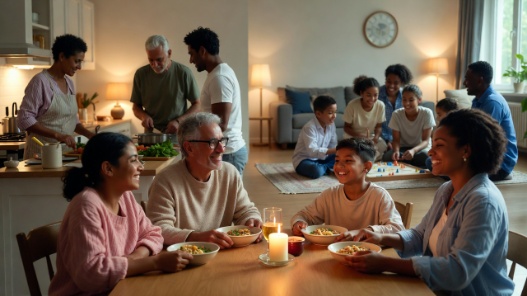
Healing after release is crucial. Reunion brings joy, but challenges follow. The freed person might struggle with PTSD, changed habits, or lost time. Families need patience – therapy, quiet time, rebuilding routines. Celebrate small wins; first family outing or a big meal together. You can even throw a Thanksgiving party with music and dancing. This mends bonds and creates new memories.
Society benefits when families heal. Strong homes raise confident kids who contribute positively. Wrongful confinement weakens this, but reformed systems could help. Calls for faster trials, better evidence rules, and detainee rights would ease family pain. In places where protests echo, families lead the charge for change.
In conclusion, wrongful confinement without reason or evidence tears at families' hearts. It disrupts lives, strains bonds, and tests faith. However, families show incredible strength through loving, fighting and healing.
By sharing these stories, you honour their resilience and push for justice. If your family has faced this, know you're not alone. Reach out, speak up, and hold on. Better days come.


Comments (0)
Please sign in to join the conversation.
Loading comments...