


There is a moment every parent knows. It is one in the morning. The baby is screaming. You have tried the feed, the nappy change, the rocking, the singing, and at least one dance move you will never speak of again. Then someone, a friend, a forum, a bleary-eyed Google search, tells you to try white noise. So you do. Somehow, almost magically, it works. The baby settles. You collapse. From that night forward, a small machine humming on the bedside table becomes the most important appliance in your entire home.
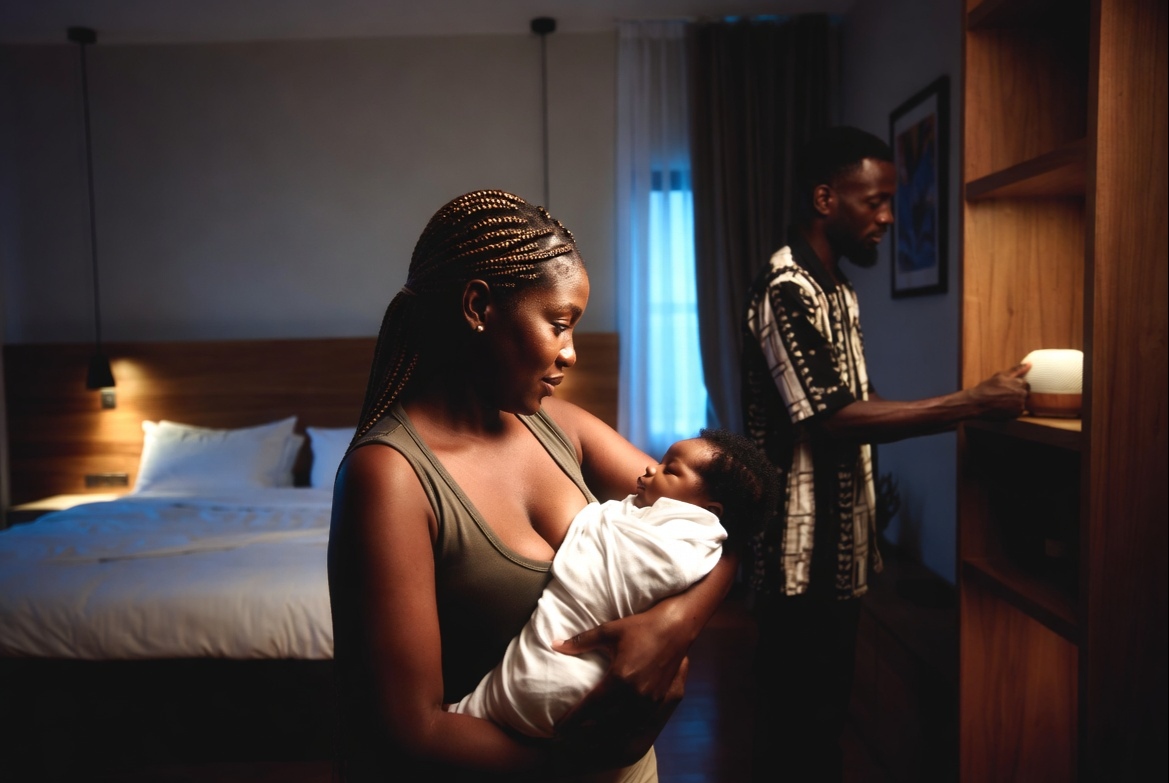
However, what is actually happening when white noise soothes your child? More importantly, is it doing them any good, or are we trading a short-term fix for a longer-term problem?
What Is White Noise, Really?
White noise is a consistent, steady sound that covers all audible frequencies at once. Think of it like the audio equivalent of a blank canvas. It drowns out the unpredictable spikes of sound that jolt a sleeping child awake. A lorry rumbling past. A dog barking next door. An older sibling decides that 6 a.m. is the perfect time to test their new drum kit. White noise smooths all of that out into one continuous hum that the brain essentially learns to ignore.
Why Your Children Don’t Listen to You, Their Parent
Common examples include the sound of a fan, rainfall, a television on static, or purpose-built white noise machines. Some parents even swear by the sound of a vacuum cleaner, which says a great deal about the lengths we will go to for twenty minutes of peace.
Why Babies Respond So Well
Here is something quite remarkable: the womb is loud. Not gentle-lullaby loud. Genuinely, consistently loud, roughly 80 to 90 decibels of whooshing, gurgling, heartbeat sounds. When a baby is born and placed in a quiet room, that silence is actually quite strange to them. Their whole prenatal life was a symphony of sound.
White noise, particularly at lower, steady volumes, mimics those familiar womb sounds. It signals to a newborn's nervous system that all is well, that this is a known state, and that sleep is safe. This is why so many parents find that white noise works almost instantly with very young babies. You are not tricking them, you are speaking a language they already understand.
The Science Behind the Calm
Research does support what millions of exhausted parents have discovered by accident. A study published in the Archives of Disease in Childhood found that white noise helped 80 per cent of newborns fall asleep within five minutes, compared to only 25 per cent in a quiet control group. That is not a small difference. That is the kind of number that makes a sleep-deprived parent weep with relief.
Beyond sleep, white noise has also been associated with reduced fussiness and crying in colicky infants. The consistent auditory input appears to engage the brain just enough to interrupt the feedback loop of distress, giving a crying baby something to focus on other than whatever is upsetting them. It essentially provides a gentle sensory reset.
For toddlers and older children, white noise can help with concentration as well. Open-plan homes and busy households are full of distracting sounds, and a soft background hum in a child's room during rest time or quiet play can help them stay settled and focused for longer.
The Concerns You Should Know About
Now, here is where it gets a bit more complex because not everything about white noise is a straightforward win.
The first concern is volume. White noise machines, particularly those placed too close to a baby, can occasionally exceed safe noise levels. Experts recommend keeping white noise below 50 decibels at the child's ear, roughly the sound of a gentle shower, and placing the machine at least a metre away from where the baby sleeps. Blasting a machine at full volume directly beside a cot is not the goal. Steady and soft is the whole point.
The second concern is dependency. Some parents find that their child, whether six months or six years old, simply cannot sleep without it. They cannot nap at the nursery. They struggle on holiday. They wake the moment the power cuts out. If white noise becomes so embedded in a child's sleep routine that its absence causes real distress, that is worth addressing gradually. Most sleep specialists suggest slowly reducing the volume over time rather than removing it abruptly.
The third concern, though it remains an area of ongoing research, relates to long-term auditory development. Some researchers have raised questions about whether consistently masking environmental sounds could potentially affect the way young children learn to process the world around them. The evidence here is not conclusive, and most paediatricians still consider white noise safe when used responsibly. But it is a conversation worth having with your doctor if you have any concerns.
How You Can Use White Noise Wisely
Using white noise well is not complicated, but a few simple habits make a real difference. Keep the volume low and consistent, do not turn it up and up each night in the hope that louder means better sleep. It does not. A steady, moderate sound is far more effective than a blasting one.
Use it as part of a broader sleep routine rather than a standalone solution. White noise works beautifully alongside dim lighting, a consistent bedtime, and calm pre-sleep activities. On its own, it is helpful. As part of a wider routine, it becomes genuinely powerful.
If your child is older and relies heavily on white noise, begin to wean them off it gently. Introduce it only for the first part of the night, then on a timer, then only on difficult nights. Most children adapt remarkably well when the change is gradual and consistent.
In Conclusion
If you are using white noise to help your child sleep, you are almost certainly not doing anything wrong. You are responding to your child's needs, using a tool that is widely used and broadly considered safe, and getting some rest in the process, which makes you a better parent during the hours you are actually awake.
Parenting is not about finding the perfect, pristine solution. It is about finding what works for your child, applied with a bit of common sense and a lot of love. White noise is, for millions of families, genuinely one of those things that works.
Just maybe keep the volume down. Also, do not put the machine inside the cot. Everything else, you are probably getting right.


Comments (0)
Please sign in to join the conversation.
Loading comments...