* Children observe behavior more closely than they follow instructions.
* Everyday reactions - kindness, anger, patience or neglect quietly shape their values.
* What adults model at home often becomes a child’s lifelong habit.
* Parenting influence goes beyond words; it lives in daily choices and consistency.
Hey, Friend,
If you’re a parent, an older sibling, a teacher, an auntie, uncle, or just someone who has kids looking up to you, this one’s for us. We spend so much time telling children what to do - be honest, be kind, work hard, respect others - but deep down, we all know the truth: they’re watching us far more closely than they’re listening to us. Kids are like little sponges, soaking up who we are, not just what we say.
There’s something humbling about that, isn’t there? It pushes us to grow, to be better, because our everyday choices become their quiet lessons. So let’s talk about it openly and warmly - no judgment here, just encouragement. Here are 8 everyday ways our actions teach kids more powerfully than any lecture ever could.
1. How We Treat People When No One’s Watching
We tell kids to be polite, to say please and thank you, to treat everyone with respect. But they notice when we’re short with the waiter, when we gossip about a coworker, or when we cut someone off in traffic and mutter under our breath. We don’t teach manners through rules; we teach them through the small, unseen moments. When we choose patience and kindness even when it’s inconvenient, kids absorb that respect is a lifestyle, not just a word.
2. How We Handle Failure and Frustration
We tell them “never give up” and “it’s okay to make mistakes.” Beautiful words. But then we lose our cool when the generator fails, or we sulk for hours after a bad day at work. Kids watch how we react when things go wrong. Do we curse and blame others, or do we take a deep breath, figure out the next step, and keep moving? That silence speaks louder than any motivational speech.
When we model calm perseverance, we give them permission to struggle without shame and the quiet confidence to try again.
3. How We Speak About Our Bodies and Food
We tell kids “all bodies are beautiful” and “eat healthy because it makes you strong.” But they hear us criticising our own reflection in the mirror or skipping meals to 'lose weight quick.' Those offhand comments about “feeling fat” or “I can’t eat that, it’s bad” plant seeds that words of body positivity can’t always uproot. When we eat with gratitude, move our bodies with joy instead of punishment, and speak kindly about ourselves, we teach them self-love in its truest form.
4. How We Use Our Phones and Screens
We say “don’t spend all day on your phone” while we scroll endlessly at the dinner table. Kids aren’t dumb, they see the double standard immediately. But when we put the phone down to really listen to their long story about school, or we go for a walk without checking notifications every five minutes, they learn presence is precious. Our actions teach them that real connection matters more than likes and comments.
5. How We Treat Money and Generosity
We tell them to save, to share, to be grateful. But they watch how we handle our own wallet. Do we panic over bills in front of them? Do we tip generously or grumble about prices? When we live with open hands and wise stewardship, generosity becomes part of their character, not just a lesson.
6. How We Speak to Our Partners or Family Members
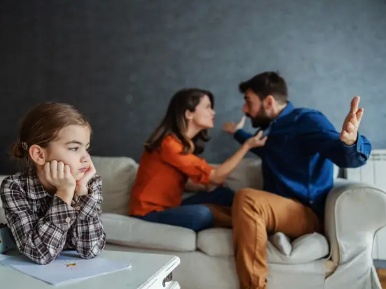
We tell kids to use kind words and solve conflicts calmly. But they hear the sharp tones behind closed doors, the silent treatment, the sarcastic digs. Home is where they learn what love looks like up close. When we apologise sincerely after an argument, when we speak to our spouse with affection and respect, when we prioritise family time, we’re writing the blueprint for their future relationships. Healthy love isn’t taught - it’s caught.
7. How We Take Care of Our Mental Health
We tell them “it’s okay to not be okay” and “talk about your feelings.” But do we model it? Do we push through burnout without rest, pretending everything’s fine? When we say “I’m feeling overwhelmed today, so I’m going to take a short walk to clear my head,” we normalise self-care. When we reach out to a friend or pray or journal instead of bottling everything up, we show them emotional health is strength, not weakness.
8. How We Keep Our Word
We tell them honesty matters. But they remember when we promised to take them to the park and then got too busy. They notice when we say “just a minute” on the phone and it turns into thirty.
Keeping small promises builds trust in a way grand speeches never can. When we follow through even when it’s inconvenient, we teach integrity in the quietest, most powerful way.
So here we are, you and me, imperfect humans trying to raise or influence the next generation. It’s a little scary, isn’t it? Knowing our flaws are on display. But it’s also beautiful that every day gives us fresh chances to show them who we’re becoming.
We don’t have to be perfect. We just have to be real, growing, and intentional. Progress over perfection, always. Your actions today are shaping someone’s tomorrow. And honestly? That’s one of the greatest privileges we’ll ever have.
Keep going, friend. You’re doing better than you think.





Comments (0)
Please sign in to join the conversation.
Loading comments...