


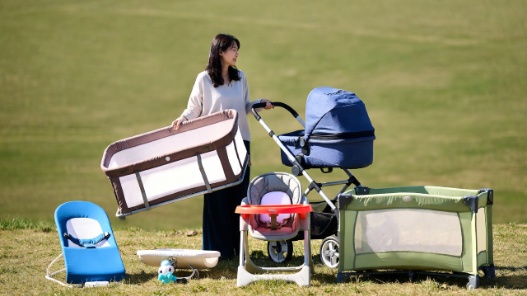
There is a moment in many homes that no one really prepares you for. It does not arrive with celebration or ceremony. There are no balloons, no photographs, and certainly no congratulations. It simply happens one afternoon when the last piece of baby gear leaves the house. When the pram is sold, the cot is given away, or the high chair is carried out the front door.
Suddenly, the house feels a little bigger. A little quieter. And for many parents, something inside them aches in a way they did not expect. This is the quiet grief of outgrowing your child’s early years.
It is not the kind of grief people talk about openly. After all, your child is healthy, growing, and moving forward. By all measures, this is a good thing.
Yet there is a small, tender sadness that settles in the heart when the physical reminders of those early days disappear. This is because when the last stroller leaves the house, something else quietly leaves with it. The version of you who was the parent of a baby.
The Objects That Held Our Memories
Baby gear is practical. At least that is what we tell ourselves.
The cot was where your child slept. The stroller was simply a way to get around. The tiny bath, the bottle warmer, the baby carrier, all tools for a busy stage of life. However, if you look closely, those objects were never just objects.
That cot held midnight feedings and sleepy lullabies. That stroller carried you through slow walks when you were learning how to be someone’s mother or father. The high chair witnessed messy first meals and laughter over mashed bananas. These items quietly held your memories.
So, when they leave, it can feel as though pieces of those memories are leaving too. You might stand in the doorway watching someone load the stroller into their car and feel a strange lump in your throat. Logically, you know it is just equipment. Emotionally, it feels like closing a chapter of your life.
The First Version of Parenthood
When a baby arrives, a new identity is born alongside them. You become the parent of a newborn. A role filled with sleepless nights, constant care, and a deep sense of responsibility that can feel overwhelming at times.
Those early months are exhausting. Yet they are also strangely magical. There is the softness of tiny hands. The quiet moments of rocking a baby in the dark. The feeling of being someone’s entire world. During this stage, your days revolve around feeding schedules, nap times, and the simple act of keeping a tiny human safe.
It is intense. It is chaotic. Still, it is also deeply formative. Without realising it, you grow attached not only to your baby, but to the version of yourself who exists in that season. When the pram and cot disappear, it is not only your child who has grown. You have changed too.
Why the Sadness Surprises Us
You may feel confused by the sadness that appears when baby gear leaves the house. After all, parenting gets easier in many ways as children grow. They sleep better. They become more independent. Conversations replace cries.
So why the grief? That's because transitions often carry mixed emotions. Psychologists sometimes describe this feeling as ambiguous loss, a sense of mourning for something that has not fully disappeared but has changed form.
Your child is still there. In fact, they are thriving. However, the baby they once were is gone. With this change, the early chapter of your parenting life quietly closes. It is not dramatic. It is simply… over.
The Silence After the Gear Is Gone
Parents often notice something unexpected once the baby gear disappears. The house feels different. Not empty exactly, but altered.
The hallway where the pram used to sit looks oddly spacious. The corner that held the cot now feels like unused territory. For years, these items shaped the rhythm of daily life. You stepped around them, folded them, cleaned them, and relied on them.
Now the house moves more freely. While that freedom can feel refreshing, it can also carry a hint of melancholy. This is because the absence reminds you of how quickly time moves.
The Speed of Childhood
If there is one truth every parent eventually learns, it is this: childhood moves faster than anyone expects. The baby who once needed to be carried everywhere suddenly runs ahead of you. The toddler who needed help with every task begins insisting, “I can do it myself.”
Then, one day, you realise the stroller has not been used in months. It gathers dust in the garage until someone suggests selling it or passing it on. Logically, it makes sense. Emotionally, it feels like letting go of something precious.
A Quiet Rite of Passage
Selling or giving away baby gear is often a quiet rite of passage. It signals that your family is moving into a new phase, one where bedtime stories replace lullabies and school bags replace nappy bags.
In many cultures, transitions are marked by rituals. However, the shift from babyhood to childhood rarely receives that kind of acknowledgement.
Instead, it happens in small, almost invisible moments: The last time you carry your child to bed.
The final bottle before bedtime routines change. The day the cot is dismantled. These moments deserve recognition, even if they are private ones. They mark the evolution of your life as a parent.
Embracing the Parent You Are Becoming
While it is natural to feel sadness when one stage ends, it is equally important to recognise what is beginning. Parenthood does not become less meaningful as children grow. It simply changes shape.
The parent of a baby is needed for comfort and survival. The parent of an older child becomes something different: a guide, a listener, a steady presence.
Your role expands beyond care into conversation, curiosity, and shared discovery. You will watch your child form opinions, friendships, and dreams. In many ways, these years offer a new kind of closeness. One built not only on dependence, but on connection.
Letting the Memories Stay
One fear parents often feel when letting go of baby items is the worry that memories will fade. Yet memories are not stored in strollers or cots. They live in the stories you tell, the photographs you keep, and the quiet moments you remember when you least expect them.
Years later, you might hear a song that reminds you of rocking a newborn to sleep. You might walk past a park and remember pushing a stroller down that same path. The physical objects may disappear, but the emotional imprint remains.
Creating New Traditions
Instead of seeing the departure of baby gear as a loss, you can choose to mark it as a transition. You might:
* Take photographs before giving items away
* Write a letter to your younger parenting self
* Share stories with your partner about those early days
* Donate baby items to families who truly need them
When you pass these items on, they often become part of another family’s beginning. There is something deeply comforting in knowing that your child’s pram will carry another baby through their first walks. Life continues in circles.
A Different Kind of Parenting
As children grow, parenting becomes less about constant care and more about quiet presence.
You may no longer push a stroller, but you will walk beside your child as they navigate friendships, school, and the world around them.
Your conversations will deepen. Your role will become more subtle but just as important. You will help them build confidence, resilience, and kindness. In many ways, the parent you become during these years is shaped by the love you gave during those early ones.
The Beauty of Every Season
Parenthood is made up of seasons. Some are loud and exhausting. Others are quieter but deeply meaningful. The baby years are only one chapter in a long story. When the pram leaves the house, it does not mean your most meaningful parenting moments are behind you.
It simply means the story is moving forward. There will be new firsts ahead:
* The first day of school
* The first lost tooth
* The first deep conversation about life
Each stage carries its own magic. Also, each version of you as a parent deserves appreciation.
How to Handle the Emotions Associated with the Journey
If you ever find yourself standing in an empty hallway where the stroller once sat, allow yourself a moment to feel whatever comes. Sadness, nostalgia, relief, gratitude; all of it is valid.
Parenthood is full of invisible transitions. Acknowledging them helps us appreciate how far we have come. The baby you once rocked to sleep is still here, just a little taller and a little more independent. Also, the parent you once were has grown too. Not replaced, simply expanded.
A Proof of Something Beautiful
The pram leaving the house is not the end of something beautiful. It is proof that something beautiful happened. It means there were morning walks, sleepy cuddles, and a tiny human who once relied on you for everything. Those moments shaped you.
Although the gear may be gone, the love that filled those years remains deeply rooted in your life. Parenthood never truly stands still. It evolves, stretches, and deepens. So when the cot is dismantled and the stroller rolls away, take a breath and look at the child standing in front of you now.
They are not the baby they once were. Likewise, you are not the parent you once were either. You are both becoming something new, together.

Comments (0)
Please sign in to join the conversation.
Loading comments...