


Your home is the household you build with your spouse and children, with its peace, its money, its meals and its time. A primary concern is the thing you tend first, before any other claim. Cultural prisons are the unwritten rules of a community that confine your choices, such as giving beyond your means, suffering in silence, keeping up appearances and fearing what people will say.
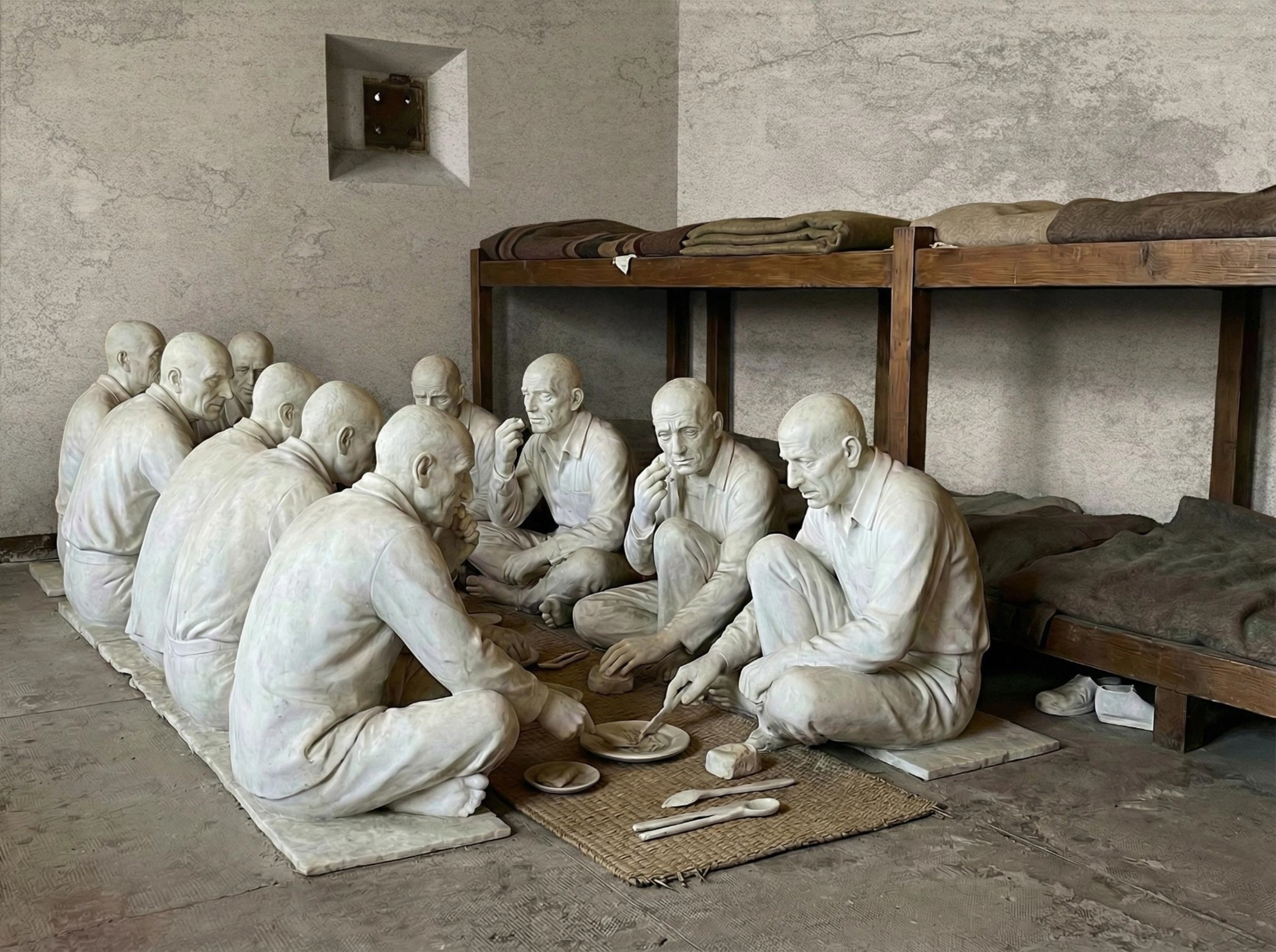
The matatu horn blared outside as Wanjiru lit the stove in her Kasarani kitchen on a Friday evening, the smell of sukuma wiki and ugali rising into the warm air. Her husband, Kariuki, sat at the table with his phone against his ear, his brow tight. "Yes, Cousin, I understand. Let me see what I can do." When the call ended, he rubbed his eyes. On the fridge, a pink reminder from their daughter Njeri's school said the fees were due on Monday. Neither of them said a word.
Twenty-five years earlier, in a village near Murang'a, a young Kariuki had watched his father give the family's last sack of maize to a neighbour in need and heard him say, "A man who closes his gate to his people has no people." The lesson had warmed Kariuki's heart ever since, and he still believed in it. What nobody had taught him was how to tend his own gate.
On the Sunday that followed, the electricity tokens ran out and the house went dark. Njeri, who was nine, held a candle at the table and whispered, "Daddy, are we poor?" Kariuki smiled and said, "No, my daughter, we are only learning." Late that night he found Wanjiru on the veranda, wrapped in a shawl. "I have been giving everyone my time," he said softly, "and I have forgotten the ones sleeping under my roof." She took his hand. "Then let us begin with them."
A year later, Njeri's fees were paid before the term began, and a small savings tin sat on the kitchen shelf. When Cousin called again, Kariuki said warmly, "I am glad you trusted me. This month I can send two thousand shillings, and I will check in with you after the school term." The cousin thanked him, and the call ended in laughter. Their home still helped its people, and it now stood on a firm foundation. Their story is common, and so are the quiet prisons behind it.
Here are 14 ways out:
1. Understand what a cultural prison is
A cultural prison has no walls. It is a set of unwritten rules that tells you how much you must give, how you must look, what you must endure and what you must never say, and it often does its work through guilt and silence. Many of these rules began as kindness, meant to keep communities strong when life was hard. The prison forms when a duty has no limit and no one may question it. Naming this clearly helps you see that your discomfort is a signal worth hearing, and never a sign of disloyalty.
2. Honour what is good in your culture
You do not need to reject your roots to protect your home. Culture gives you language, proverbs, respect for elders, shared meals and the idea that nobody should struggle alone. Keep these gifts and hold them with gratitude. What you question is the pressure that arrives when a gift becomes a demand without end. When you separate the warmth of your heritage from the weight of certain expectations, you can walk in your tradition with a straight back and a clear conscience. Your heritage has survived because each generation kept its warmth alive, and you can do the same.
3. Make home your first decision each day
Home-first living starts in small moments. Before you answer a request, pay a bill or accept an invitation, ask yourself, "What does my household need today?" Your spouse, your children, your rent, your food and your rest sit at the centre of the circle, and everything else is arranged around them. This order of responsibility is what every sensible builder follows, because walls without a foundation crack, and the people sleeping inside them feel every tremor. Many parents find that this one question, asked each morning, quietly rearranges their whole week.
4. Know your household's true numbers
Fear thrives in vagueness. Sit with your spouse and write out what comes in and what goes out each month: rent, school fees, food, transport, medical needs and the money that goes to relatives. Many couples are surprised to see how much leaves the house without a plan. Clear numbers calm the mind, because you can see where you stand. They also give you honest words to use when a request comes, so you can say what you can give and keep your peace.
5. Give from what remains after home is secure
Generosity is a lovely thing, and you can keep it. Decide together on an amount or a kind of help you can offer each month once your home's needs are met: fees paid, savings set aside, emergency money in place. Give that gift freely and with a warm heart. A gift given from stability carries joy, and a gift squeezed out of your children's food carries a resentment that eventually spoils the relationship it was meant to honour.
6. Loosen the grip of "what will people say"
This question follows many of us from childhood. It can push you to borrow money for appearances, stay quiet about a struggle, or keep a smile on in public while you cry at night. Ask yourself who will pay your bills, sit beside you in hospital and tuck your children into bed. Those people are your home. The voices on the street fade quickly, and the peace of your household stays with you long after their opinions have moved on.
7. Stand with your spouse as one team
Cultural pressure thrives when partners are divided. A relative calls the husband and the wife hears about it later, or the wife is questioned by her own people and carries it alone. Agree that every serious request, from either side of the family, will be discussed together before any answer is given. Speak kindly about each other's relatives, even when it is hard. When you stand as one team, outside pressure meets a united front and loses much of its force.
8. Replace silent endurance with honest speech
Many of us were taught that a strong person suffers quietly. That teaching keeps a lot of hearts locked in small rooms. Tell your spouse what you feel, in simple words: "I am tired," "I am worried about money," "I felt hurt when that was said." Say it at a calm hour, and listen to the reply with patience. Honest words let steam out of the pot. Silent endurance lets it build until something breaks, usually the closeness you want to keep.
9. Say no with respect, in familiar language
You can refuse without insulting anyone. Use the courtesy your culture already values: greet warmly, thank the person for trusting you and explain gently. "Uncle, I respect you, and this month my children's school needs come first. When things are steady, I will see what I can do." Elders often hear a respectful no with understanding, while an excuse invites doubt. Practise your sentences aloud, so that fear does not chase them away when the phone rings. A calm voice and a smile carry your meaning.
10. Let the roles in your home fit your real life
Many cultural expectations say who must earn, who must cook, who must decide and who must stay silent. Real homes rarely fit such tidy boxes. A wife may carry the household budget, and a husband may bathe the children and wash the dishes without losing any honour. Talk openly about who does what, according to strengths, time and energy. When roles are chosen by love and practicality, the house runs smoothly and nobody feels trapped in a part they never agreed to play. Check in about it every few months, because seasons of life change who can carry what.
11. Teach your children that they have a voice
Children learn how to live by watching how you handle pressure. If they see you speak respectfully, set limits and ask for what you need, they absorb those skills without a lecture. Invite their thoughts at the dinner table, answer their questions about why things are done, and let them see that obeying and thinking can live together. You are raising adults who will meet their own cultural expectations one day, and a child who knows their worth will meet them wisely. Praise their courage when they speak up politely.
12. Guard your home from the pressure of appearances
Modern life adds a new cage: the glossy world of social media, where lifestyles are displayed and quietly admired. Many people borrow, overspend and hide stress to look successful. Remember that a photograph is only a moment, and no bank statement is attached. Decide what your household values, whether that is peaceful evenings, education or savings, and spend toward those things. Your home does not need an audience to be a success, and a quiet home is nothing to hide.
13. Build a small circle of understanding people
You do not need to face change alone. Find one or two people who understand your decision to put home first: a respected elder, a pastor, an imam, a mentor or a friend who has walked this road. Ask them how they handled similar pressure and let their stories steady you. A few wise voices are enough to remind you that your choice is honourable, particularly on days when guilt whispers loudly in your ear. Keep in touch with them regularly, even if only through a short phone call.
14. Allow yourself rest, healing and help
Breaking free of long-held expectations stirs strong feelings: guilt, fear of being called selfish, grief for a role you once played with pride. These feelings are signs that you care, and they will ease with time. Be gentle with yourself, and rest when you are tired. If the weight keeps pressing on your sleep, appetite or joy, speak to a counsellor, a pastor, an imam or a doctor. Seeking help is a wise step toward a peaceful home. Every small step toward peace counts, and you are allowed to take it at your own pace.


Comments (0)
Please sign in to join the conversation.
Loading comments...