

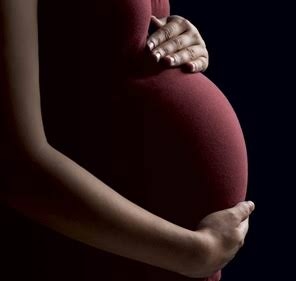
Pregnancy is a remarkable journey, but it also comes with important responsibilities. What a pregnant woman eats, drinks, takes as medication, and does on a daily basis can affect both her health and the development of her baby.
This does not mean pregnancy should be a period of fear or constant restriction. Most women can continue many of their normal activities, provided they make appropriate adjustments and receive regular prenatal care.
Below are 21 things you should avoid during pregnancy to help protect your health and your developing baby.
1. Do Not Drink Alcohol
There is no known safe amount or safe time for alcohol consumption during pregnancy. Alcohol can affect the developing baby and is associated with complications including miscarriage, premature birth and fetal alcohol spectrum disorders.
If you are pregnant, the safest choice is to avoid alcohol completely.
2. Do Not Smoke or Use Tobacco Products
Smoking during pregnancy exposes the developing baby to harmful chemicals and can increase the risk of pregnancy and birth complications.
Avoid cigarettes and other tobacco products, and try to stay away from second-hand smoke as much as possible.
3. Do Not Take Medication Without Medical Advice
Some medicines that are commonly used by adults may not be appropriate during pregnancy.
This includes prescription medicines, over-the-counter drugs, herbal preparations and supplements. Before taking any medication, speak with your doctor, midwife or pharmacist.
If you are already taking a prescribed medication, do not stop it suddenly without speaking to your healthcare provider.
4. Do Not Eat Raw or Undercooked Meat, Fish or Eggs
Raw or undercooked animal products can contain harmful bacteria and parasites.
Cook meat, poultry, seafood and eggs thoroughly and practise good food hygiene. Raw seafood such as sushi and sashimi can carry bacteria or parasites and should be avoided during pregnancy. (U.S. Food and Drug Administration)
5. Do Not Consume Unpasteurised Milk or Dairy Products
Unpasteurised milk and foods made from it can contain harmful bacteria such as Listeria monocytogenes.
Choose pasteurised milk and dairy products instead. Some soft cheeses should also be avoided unless the label confirms that they were made with pasteurised milk. (U.S. Food and Drug Administration)
6. Do Not Eat Certain High-Mercury Fish
Fish can be an excellent source of protein and nutrients during pregnancy, but some fish contain high levels of methylmercury, which can harm a developing baby's nervous system.
Avoid high-mercury fish such as shark, swordfish, marlin, king mackerel and bigeye tuna. Instead, choose a variety of lower-mercury fish. (U.S. Food and Drug Administration)
7. Do Not Ignore Food Hygiene
Pregnancy can make you more vulnerable to certain foodborne infections.
Wash fruits and vegetables thoroughly, keep raw meat separate from ready-to-eat foods, refrigerate perishable foods promptly and maintain good kitchen hygiene.
This is particularly important because infections such as listeriosis can cause serious pregnancy complications. (U.S. Food and Drug Administration)
8. Do Not Overdo Caffeine
You do not necessarily have to eliminate caffeine completely, but pregnancy is a time to moderate your intake.
Remember that caffeine is found not only in coffee but also in tea, energy drinks, cola, chocolate and some medications. Discuss your appropriate daily intake with your healthcare provider.
9. Do Not Use Herbal Remedies or Supplements Carelessly
"Natural" does not automatically mean "safe during pregnancy."
Some herbal products and supplements have not been adequately studied in pregnancy, while others may interact with medications or have unwanted effects.
Always tell your healthcare provider about any supplement, herbal mixture or traditional remedy you are considering.
10. Do Not Skip Prenatal Appointments
Regular prenatal care helps healthcare professionals monitor your health and your baby's development and identify potential problems early.
Even when you feel perfectly healthy, keep your scheduled appointments and follow the advice of your healthcare provider. Regular prenatal care can help reduce the risk of complications. (U.S. Food and Drug Administration)
11. Do Not Ignore Warning Signs
Do not assume every unusual symptom is simply "part of pregnancy."
Seek medical attention promptly if you experience symptoms such as heavy bleeding, severe abdominal pain, severe headache, difficulty breathing, fainting, seizures, leaking fluid, or significantly reduced fetal movement later in pregnancy.
When in doubt, contact your healthcare provider.
12. Do Not Engage in Activities With a High Risk of Falling or Abdominal Injury
Pregnancy can change your balance and coordination.
Avoid activities where there is a significant risk of falling or being struck in the abdomen. If you are unsure whether a particular exercise or activity is appropriate, ask your healthcare provider.
13. Do Not Push Yourself Beyond Your Limits
Pregnancy is not the time to prove how much physical stress you can tolerate.
Depending on your health and pregnancy, regular moderate physical activity may be beneficial. However, excessive exertion, dehydration and overheating should be avoided.
Your healthcare provider can advise you on the safest level of activity for your particular pregnancy.
14. Do Not Sit or Stand in One Position for Excessively Long Periods
If your work or daily routine requires you to sit or stand for long periods, take appropriate breaks when possible.
Gentle movement and changing positions can help with comfort and circulation. If your job makes this difficult, discuss your situation with your healthcare provider.
15. Do Not Handle Cat Litter or Animal Waste Carelessly
Cat faeces can contain a parasite that causes toxoplasmosis, an infection that can be harmful during pregnancy.
If possible, have someone else clean the litter box. If you must do it yourself, use appropriate protection and wash your hands thoroughly afterwards.
Also take care when gardening or handling soil.
16. Do Not Expose Yourself Unnecessarily to Harmful Chemicals
Some chemicals, pesticides, solvents, cleaning products, metals and other environmental contaminants can pose risks during pregnancy.
Read product labels carefully and avoid unnecessary exposure. If your work involves chemicals or other potentially hazardous substances, tell your healthcare provider and employer that you are pregnant so appropriate precautions can be considered. (CDC)
17. Do Not Get Overheated
Pregnancy can make you more susceptible to heat-related problems.
Avoid situations where you may become dangerously overheated or dehydrated, particularly during exercise or very hot weather. Drink enough fluids and take breaks when necessary.
18. Do Not Follow Extreme Diets
Pregnancy is not the appropriate time for extreme dieting, fasting for weight loss or severely restricting food groups without medical supervision.
Your body needs adequate nutrients to support your health and your baby's growth. Aim for a balanced diet containing vegetables, fruits, whole grains, protein foods and appropriate dairy or alternatives. (U.S. Food and Drug Administration)
If you have a medical or cultural reason for avoiding certain foods, discuss suitable alternatives with a qualified healthcare professional or dietitian.
19. Do Not Ignore Your Mental and Emotional Health
Pregnancy can bring excitement, anxiety, fear, mood changes and other emotional experiences.
Do not suffer silently if you are struggling emotionally. Talk to someone you trust and seek professional help when necessary.
Taking care of your mental health is part of taking care of yourself during pregnancy.
20. Do Not Believe Every Pregnancy Myth
Pregnancy comes with countless pieces of advice from relatives, friends, social media and even strangers.
Some advice may be harmless, while other recommendations can be inaccurate or potentially dangerous.
Before following a pregnancy-related health claim, especially one involving medication, food restrictions, supplements or traditional remedies, verify it with a qualified healthcare professional.
21. Do Not Neglect Yourself
One of the biggest mistakes an expectant mother can make is believing that pregnancy means she must completely forget about herself.
Rest when you need to. Eat nourishing foods. Attend your appointments. Stay appropriately active. Ask for help when you need it and communicate openly with your healthcare provider.
A healthy pregnancy is not about doing everything perfectly. It is about making informed decisions and getting appropriate care.
Pregnancy is a major physical and emotional journey, and every pregnancy is different. What is appropriate for one woman may not be appropriate for another, particularly when there are existing health conditions or pregnancy complications.
The goal should not be to live in fear of pregnancy, but to make informed choices, avoid preventable risks and seek professional advice when necessary.
If you are pregnant or planning to become pregnant, establish a relationship with a qualified healthcare professional and follow personalised medical advice throughout your pregnancy.

Comments (0)
Please sign in to join the conversation.
Loading comments...