


Back to school season brings a familiar rush: new uniforms, sharpened pencils, early alarms, and that undercurrent of nerves everyone tries to hide.
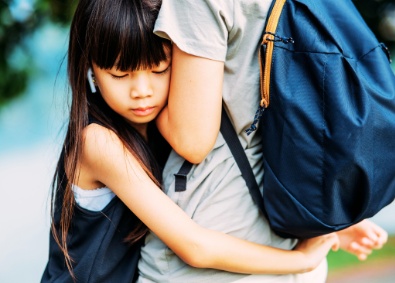
For children, the questions swirl quietly Will the teacher be kind? Will I make friends in this new class? Will the work be too hard? For parents, the worries are just as real but often kept private: Are they truly prepared? Will they feel safe and supported? Will I manage the morning chaos without fraying? These unspoken feelings can make the first weeks heavier than they need to be. That’s why emotional check-ins short, honest moments of connection are one of the most powerful things families can do before the school bell rings.
Emotional check-ins are not long therapy sessions. They are simply asking “How are you really feeling?” and listening without rushing to fix or dismiss. When done regularly in the weeks leading up to school, they help children name their emotions, reduce anxiety, and build confidence. For parents, they offer a chance to acknowledge their own stress so it doesn’t accidentally spill over.
For younger children (ages 5–8), keep it playful and concrete. One effective approach is drawing feelings. Sit together with paper and crayons and say, “Draw what going back to school looks like inside your heart right now.” A child might draw a big smile with a small worried face tucked in the corner. That small detail opens the door to gentle questions: “Tell me about this little face what’s making it feel that way?” Many parents discover fears they never guessed missing a best friend from last year, worrying about lunch, or being afraid to ask to use the bathroom. Once named, those worries often shrink.
For children ages 9–12, open-ended questions work well during neutral moments while eating a snack, walking home, or riding in the car. Try: “What’s one thing you’re excited about this school year? And what’s one thing that feels a little tricky or scary?” Listening without interrupting is key. A parent might hear, “I’m worried math will be harder this year.” The best response is often simple validation: “That makes sense. New math can feel big at first.” Then, if the child wants, brainstorm small steps together practicing a few problems at home or deciding it’s okay to ask the teacher for help early.
Teenagers usually need even more casual timing. A quick question during a shared task—washing dishes, folding laundry, or driving somewhere can feel less like an interrogation. Something like, “On a scale of 1 to 10, how ready do you feel for school starting? What would bump that number up?” Sometimes the answer is short, sometimes it opens a real conversation. The important part is showing that their feelings matter, even if they don’t want to talk much.
Parents benefit from check-ins too. A few quiet minutes alone maybe with morning coffee or a quick walk asking “What am I carrying into this school year?” can surface hidden stress: guilt about less summer playtime, worry about a child’s social struggles, or exhaustion from juggling everything. Naming it privately helps parents respond to their children with more calm and patience.
One simple family ritual many find helpful is the “Rose, Thorn, Bud” share at dinner. Everyone names:
- A rose: something good or exciting
- A thorn: something difficult or worrying
- A bud: something they’re looking forward to or hopeful about
It normalizes talking about hard feelings and ends on a positive note.
The first days of school will still have bumps forgotten water bottles, teary goodbyes, tired evenings. But families who make space for emotional check-ins often find the transition smoother. Children feel more secure knowing their feelings are welcome, and parents feel steadier because they’ve already faced their own nerves. In the end, the most important preparation isn’t perfect planning it’s showing up with openness and care, one small conversation at a time.

Comments (0)
Please sign in to join the conversation.
Loading comments...