

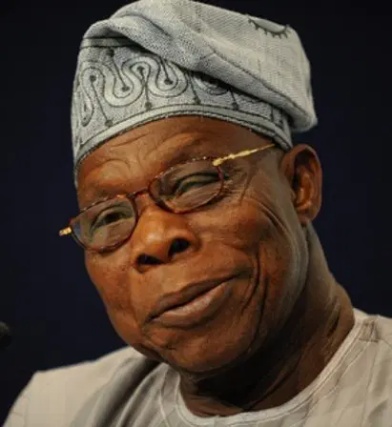
Today marks the 89th birthday of one of Nigeria’s most influential and controversial leaders, former president Olusegun Obasanjo. Love him or disagree with him, one thing is certain, his life story is deeply woven into the history of modern Nigeria. From a humble beginning to becoming a soldier, military head of state, and later a democratically elected president, Obasanjo’s journey is filled with remarkable moments.
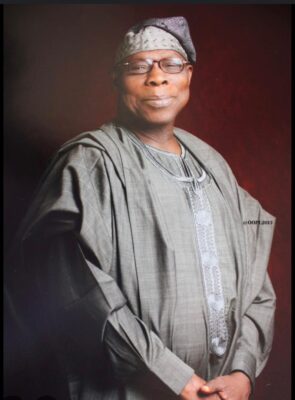
1. From a Village Boy to a National Leader
Olusegun Obasanjo was born on March 5, 1937, in Abeokuta, Ogun State. His early life was far from luxurious. Like many Nigerian children of that era, he grew up in modest conditions and had to struggle for education and opportunities. Yet, through discipline and determination, he joined the Nigerian Army and began a journey that would eventually place him at the center of national leadership.
2. The Soldier Who Became Head of State
Obasanjo rose through the ranks of the military during a turbulent period in Nigeria’s history. In 1976, after the assassination of then Head of State Murtala Muhammed, Obasanjo assumed leadership of the country. Rather than cling to power, he made history in 1979 by peacefully handing over to a civilian government led by Shehu Shagari. This move earned him global respect and remains a rare moment in African military politics.
3. The Only Nigerian to Lead as Military and Civilian President
One of the most unique facts about Obasanjo is that he ruled Nigeria twice under two different systems. After years in politics and public life, he returned to power in 1999 as a democratically elected president following the end of military rule under Abdulsalami Abubakar. He governed Nigeria from 1999 to 2007, making him the only Nigerian leader to serve both as a military head of state and as a civilian president.
4. A Former Prisoner Who Became President
Another extraordinary chapter of his life happened in the 1990s. Under the regime of Sani Abacha, Obasanjo was accused of plotting a coup and was imprisoned. Many believed his political career had ended. But history had other plans. After Abacha’s death and Nigeria’s transition to democracy, Obasanjo was released and later elected president in 1999.
5. A Farmer, Author, and Global Voice
Beyond politics, Obasanjo is known for his passion for agriculture. He runs one of Nigeria’s largest farms and has often encouraged young Nigerians to embrace farming as a path to national development. He is also a prolific writer, authoring several books on leadership, politics, and African development.
6. A Voice That Still Shapes National Conversations
Even in retirement, Obasanjo remains a strong voice in national and international affairs. His letters to sitting presidents often spark debates across the country. Whether people agree with him or not, Nigerians still listen when he speaks.

Comments (0)
Please sign in to join the conversation.
Loading comments...