

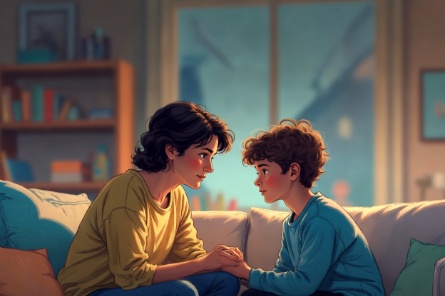
Bullying is one of those topics many parents hope their child will never have to deal with. Yet, the truth is that at some point, most children will either witness it, experience it, or even unknowingly take part in it. That is why teaching your children about bullying is not optional but essential.
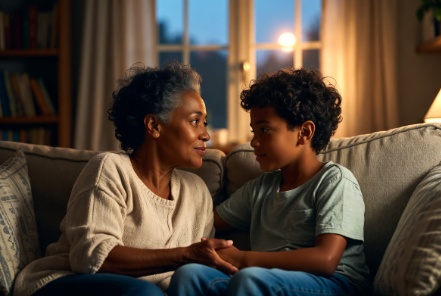
The goal is not to raise children who are afraid of the world, but children who are prepared for it. Here are some of the most important lessons you should pass on as a parent.
1. Help Them Understand What Bullying Really Is
Make your children understand that bullying is not just physical. It can be verbal (hurtful words), social (exclusion or rumours), or even online (cyberbullying). Explain it in simple terms they can relate to: “If someone repeatedly makes you feel sad, scared, or small on purpose, that is bullying.”
When your children understand this, they are more likely to recognise it early.
2. Teach Them That It Is Never Their Fault
One of the most damaging effects of bullying is self-blame. Children may think, “Maybe it is because of how I look or what I said.”
Reassure them clearly and often by saying, bullying is always the choice of the person doing it, not the fault of the person experiencing it.
3. Encourage Open Communication
Let your child know they can talk to you about anything, without fear of punishment or dismissal. Instead of asking, “Did anything bad happen today?” try, “What made you smile today?” and “Was there anything that bothered you?”
The more natural these conversations become, the more likely your child will speak up when something is wrong.
4. Show Your Child How to Respond
Children often freeze because they do not know what to do. Teach simple responses such as:
* Walking away calmly
* Speaking firmly: “Stop. I do not like that.”
* Seeking help from a trusted adult
Role-playing these situations at home can build confidence.
5. Build Their Self-Esteem
A child who feels secure in themselves is less likely to be deeply shaken by bullying. Praise effort, not just success. Celebrate who they are, not just what they achieve. Remind them, “You are enough, just as you are.”
6. Teach Empathy Early
Your children should not only learn how to handle bullying, but also never become bullies themselves. Help them understand how others feel.
Simple questions like, “How do you think that made them feel?” can go a long way in shaping kind behaviour.
7. Encourage Them to Stand Up for Others
Not every child will be bullied, but many will witness it. Teach them that staying silent can sometimes make things worse.
They do not have to confront aggressively. Even small actions matter:
* Comforting the victim
* Refusing to join in
* Reporting the situation
Kindness is powerful when it is shared.
8. Set a Good Example at Home
Children learn more from what you do than what you say. If they see respect, patience, and kindness at home, they are more likely to reflect it outside.
Avoid harsh language, gossip, or even casual belittling of others. These small behaviours shape big attitudes.
9. Talk About Online Behaviour
In today’s world, bullying does not stop at the school gate. Teach your child to be careful online:
* Never share hurtful messages
* Do not engage with bullies
* Always tell a trusted adult if something feels wrong
Remind them that what is posted online can have real-life consequences.
10. Let Them Know It Is Okay to Ask for Help
Many children stay silent because they think asking for help makes them weak. Change that belief early.
Explain that speaking up is a sign of strength, not weakness. Whether it is a teacher, parent, or school counsellor, help them identify safe adults they can turn to.
In Summary
Raising a child in today’s world comes with many challenges, but bullying does not have to define their story. With the right guidance, your children can learn to stand tall without becoming hard and stay kind without becoming weak.
In the end, what you want is simple. You want to raise your children to become people who know their worth, respect others, and have the courage to speak up, both for themselves and for those who cannot. With talks like this at home, you are one step closer to shaping your child into a responsible and good human.

Comments (0)
Please sign in to join the conversation.
Loading comments...