


The humid Lagos evening wrapped around Kunle and Adanna like a too-tight wrapper as they sat on the balcony of their modest two-bedroom flat in Ikeja, scrolling through Instagram reels on separate phones. Their wedding photos from two years ago still popped up in memories, but tonight the feed was dominated by a flashy Nollywood couple jetting off for yet another Maldives vacation, all smiles and sponsored captions. Adanna sighed heavily, her finger pausing on a video of the wife unwrapping a luxury bag while her husband looked on adoringly. “Kunle, why can’t we be like them?” she asked, her voice carrying that familiar mix of longing and frustration that had become all too common lately. Kunle, a 28-year-old software developer still wearing his office shirt with sleeves rolled up, felt the familiar knot tighten in his stomach. At that moment, in the spring of 2026, their Gen Z marriage felt like it was cracking under a weight far heavier than bills or family expectations.
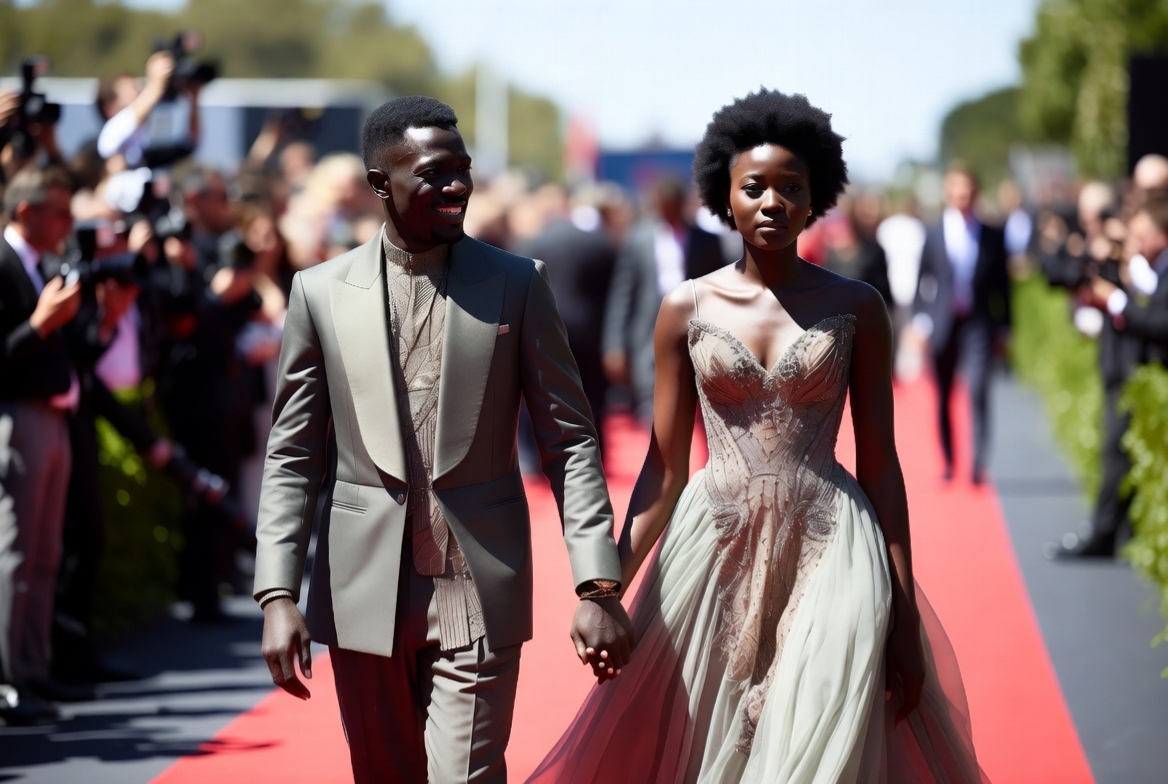
Their story began in the vibrant chaos of university days at the University of Lagos, back in 2021, when Kunle, then a final-year engineering student from Ibadan, first noticed Adanna during a campus fellowship. She was the sharp-tongued accounting student with braids that swung like a pendulum when she laughed, always surrounded by friends but carrying herself with a quiet confidence rooted in her Delta State upbringing. Their courtship was beautifully ordinary: shared plates of suya after late-night reading sessions, arguments over who paid for data bundles, and dreams whispered under the flickering lights of power outages. No red carpets, no paparazzi, just two young people building something real amid the hustle of life.
By late 2023, as they prepared for their traditional wedding, the public pressure crept in like harmattan dust. Social media timelines overflowed with celebrity unions of lavish white weddings in Dubai, surprise proposals with fleets of luxury cars, and honeymoon vlogs that made their own simple court wedding feel almost inadequate. Friends and distant relatives commented on every post: “Make una do am like Davido and Chioma o!” or “This one na real couple goals!” Kunle remembered feeling the subtle sting during their introduction ceremony in Asaba, where an uncle had jokingly remarked, “Ah, Kunle, you no go do big boy for your wife?” The pressure to perform, to project perfection, had already begun to shape their expectations before they even said “I do.”
To their first year of marriage in 2024, and the cracks started showing in ways that felt both painful and predictable. Adanna, now working as a junior auditor, would come home exhausted from the Island traffic only to spend evenings curating their joint Instagram page. Inspired by a popular influencer couple who documented every date night with aesthetic filters and matching outfits, she pushed for weekly “couple goals” content. Kunle played along at first, booking overpriced rooftop dinners they could barely afford on their combined salaries, smiling for photos while mentally calculating how many months of fuel it would set them back. One evening in July 2024, after a photoshoot at a trendy Lekki café, they argued fiercely in the car on the way home. “You’re always comparing us to people whose lives we don’t even know the full story of,” Kunle had snapped, his voice rising above the blaring horns of Third Mainland Bridge traffic. Adanna shot back, tears in her eyes, “At least they’re trying! What are we doing, just surviving?”
The dangers of this modeling ran deeper than finances, weaving into the emotional fabric of their daily life. Celebrity marriages, amplified by algorithms and fan armies, often thrive or appear to, on spectacle. In trying to replicate that, Kunle and Adanna found themselves performing rather than connecting. Private disagreements, like the time Adanna’s mother fell ill and they had to redirect savings meant for a “dream vacation” to medical bills, became sources of hidden shame. Instead of supporting each other quietly as their parents’ generation might have, they worried about how it would look online if they skipped posting for a month. The public pressure created a false timeline: by year two, they “should” have been posting pregnancy announcements or housewarming parties, just like the celebs. When the reality of Kunle’s startup side hustle started failing, Adanna’s promotion delay didn’t match, resentment brewed.
One vivid flashback was December 2024, during the festive season rush, they had attended a friend’s extravagant engagement party modeled after a famous musician’s proposal video, complete with fireworks and a hired photographer. Driving back through the illuminated streets of Victoria Island, Adanna had been unusually quiet. “We need to level up, Kunle,” she finally said. “People are watching.” That night, they stayed up late drafting a “couple brand” strategy, ignoring the gentle rain pattering on their windows and the simple joy of just being together after a long week. The next morning, exhausted, Kunle snapped at her over burnt toast, a small thing that escalated into accusations of not understanding each other’s pressures at work. These weren’t rare blow-ups; they were symptoms of a marriage increasingly lived for external validation rather than internal strength.
Culturally, the pull felt even more complex for them as young Nigerian couples navigating Gen Z realities. In many African homes, marriage has always been a community affair, blending personal choice with family input and ancestral wisdom. Yet social media imported this hyper-individualistic, performative Western-tinged celebrity ideal that clashed with the resilience forged in shared struggles. Kunle’s father, a retired civil servant, had once advised during a family visit: “Marriage is not a movie, my son. It is the small, everyday fights you win together.” But the glowing phones in their pockets drowned out that voice with filtered fantasies. Adanna, raised with strong values of endurance and discretion from her mother, a market woman, found herself torn between posting vulnerable moments for “relatability” and the shame of airing dirty laundry, something her culture instinctively warned against.
By early 2025, the financial strain had become undeniable. Emulating those celeb lifestyles meant impulse buys: the latest iPhone for better content, designer aso-oke for anniversary shoots that rivaled red carpet events, even a questionable “investment” in a couples’ coaching program peddled by an influencer. Their savings dwindled while debts crept up. Kunle recalled the humiliating night they argued in the living room over electricity bills, the fan spinning lazily above them. “If we keep chasing shadows,” he said wearily, “we’ll lose the substance.” Adanna had cried then, not from anger but from the exhaustion of constant comparison.
February 2026, one of their “goals” couples announced a dramatic split amid cheating allegations that played out like a Netflix series across timelines, complete with cryptic posts and fan wars. As comments flooded in, Kunle and Adanna sat together on their worn couch, the same one they’d bought with wedding gifts. For the first time in months, they talked without filters. Adanna admitted the fear of looking like failures to their peers. Kunle opened up about feeling emasculated by the unattainable provider image pushed in viral videos. They laughed through tears remembering their simple courtship days: stealing moments in lecture halls, praying together during strikes. The realization hit hard: modeling celebrity marriages through public pressure wasn’t just dangerous; it was deceptive. Those unions often crumbled under the very scrutiny ordinary couples invited by imitation. Privacy, not performance, became their new anchor.
Today, Kunle and Adanna’s balcony conversations have shifted, they still scroll sometimes, but with healthier boundaries — no more joint “brand” accounts, more offline dates like evening walks in nearby parks where they discuss dreams without needing likes for validation. Finances are tighter but intentional; they’ve started a small joint savings pot for realistic goals, like visiting Adanna’s family in Delta State without fanfare. The public pressure lingers in subtle ways of well-meaning friends asking why they’re “quiet” online but they’ve learned to respond with grace and firmness. Their marriage isn’t perfect, nor does it need to be broadcast. It’s theirs: marked by growth, cultural roots, and the quiet strength of choosing substance over spectacle.
In the end, the greatest insight from Kunle and Adanna’s journey is that marriage, especially for Gen Z navigating blend of tradition and modernity, flourishes in the unfiltered moments. Celebrity lives are edited highlights, often sustained by teams, PR machines, and sometimes hidden sacrifices we never see. Chasing that through public pressure steals the joy from your own unique story. Protect your peace, honor your realities, and build with the one beside you, not for the gram. In a world screaming for performance, the bravest act is choosing authenticity. Kunle reached for Adanna’s hand that evening, the city lights twinkling below. For the first time in a while, it felt enough.
Not glamorous, but real — and that, they realized, was the real goal worth chasing.


Comments (0)
Please sign in to join the conversation.
Loading comments...