

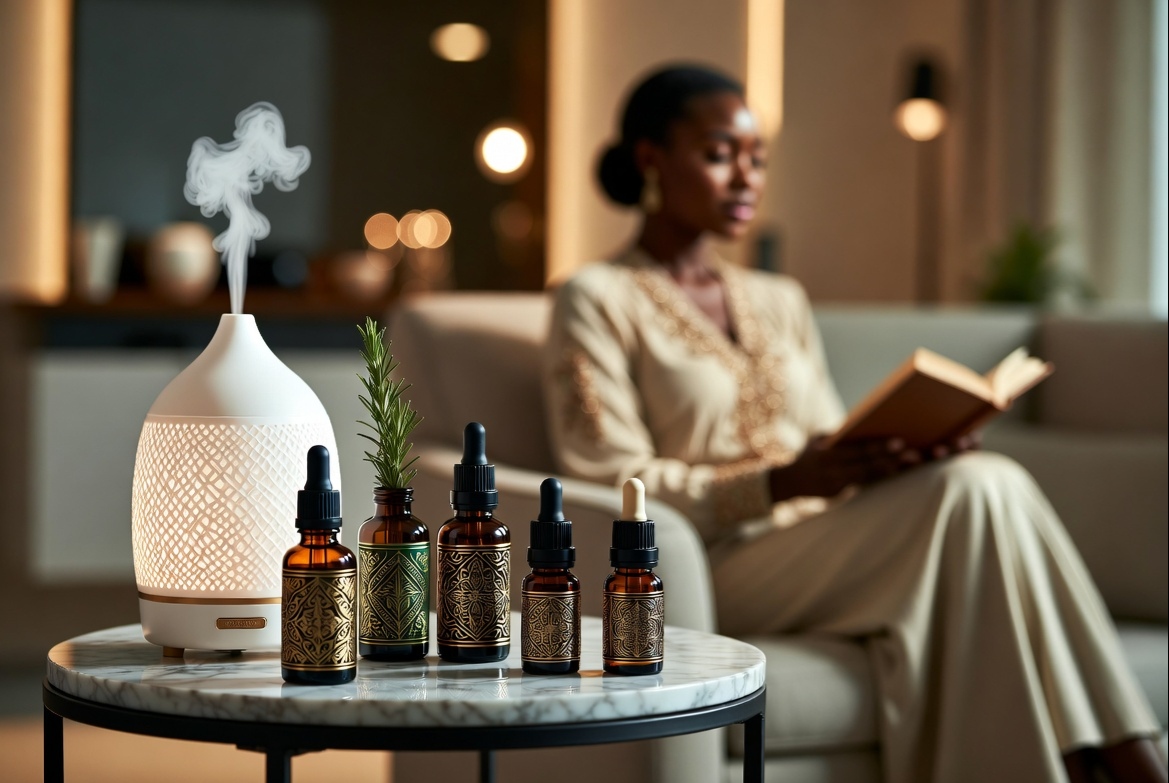
There is something quietly miraculous about the way a smell can change everything in a single inhale. One moment you are wound tight, shoulders hunched, jaw clenched, mind racing. Then a familiar scent drifts past: lavender on a pillow, citrus in a warm room, rain-soaked earth through an open window, and something inside you simply lets go.
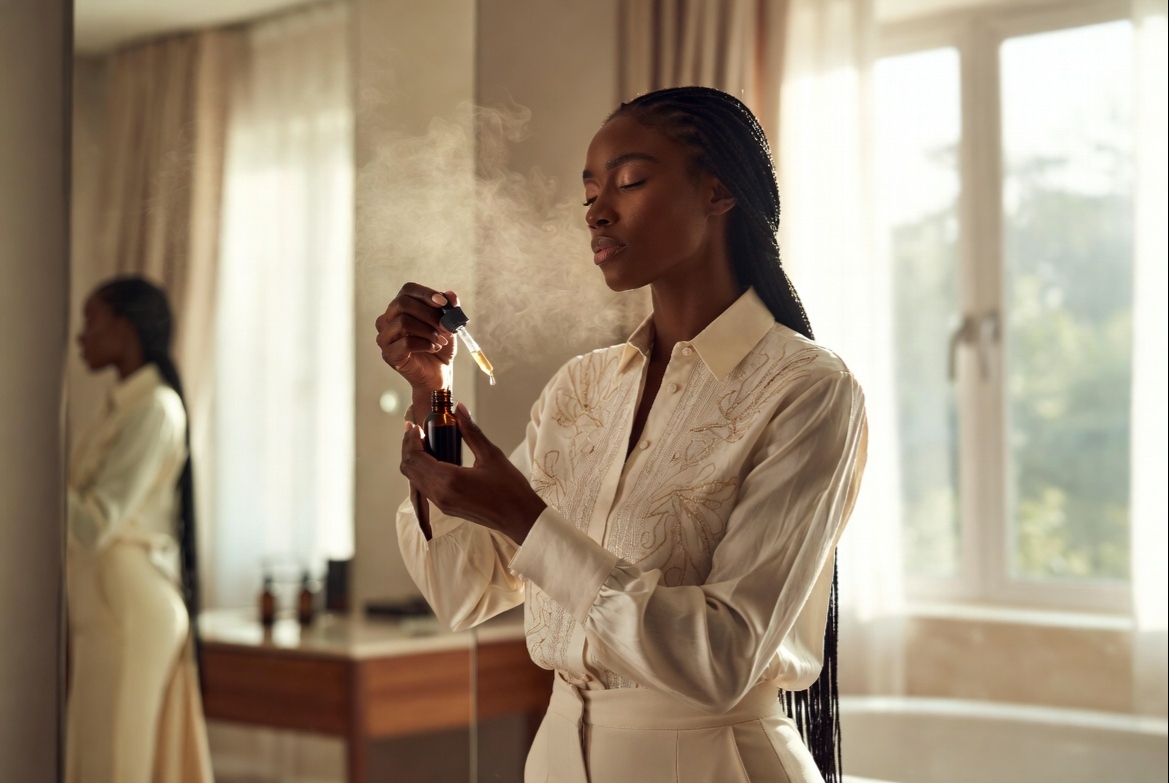
This is not magic. It is biology, and cultures across every continent have understood it for thousands of years.
From Ayurvedic healers in India to Roman bathhouses drenched in rose water, from Japanese forest bathing rituals to Egyptian temples burning frankincense at dawn, humanity has always known that the nose is a direct line to the nervous system. Science has now caught up with what our ancestors took for granted.
15 Reasons You Should Make Drinking Water First Thing in the Morning a Habit
Here are the scents that genuinely calm the nerves, why they work, and how people around the world have been using them long before wellness became an industry.
Lavender — The One Everyone Knows (For Good Reason)
If there is one scent that has earned its reputation, it is lavender. Grown across the fields of Provence in France, the hills of England's Norfolk, and the highlands of Bulgaria, lavender contains compounds, linalool and linalyl acetate, that interact directly with the brain's GABA receptors, the same ones targeted by anti-anxiety medication.
Studies conducted in hospitals have shown that lavender aromatherapy reduces anxiety in patients before surgery. People across Japan use lavender sachets in pillow covers as a nightly ritual. In the UK, it has been a cottage garden staple for centuries, not merely for its beauty, but because people felt calmer near it.
A few drops of lavender essential oil on your wrists or a diffuser in your bedroom before sleep is one of the simplest, most research-backed things you can do for your nervous system.
Chamomile — The Gentle One That Works While You Rest
Chamomile is often associated with a bedtime cuppa, but its scent alone carries a quiet power. The aroma of chamomile (warm, apple-like, slightly sweet) has been shown to reduce the stress hormone cortisol and encourage the body into a parasympathetic state, which is the biological opposite of fight-or-flight.
In Germany, chamomile is so highly regarded medicinally that it is nicknamed alles zutraut, "capable of anything." Across North Africa and the Middle East, chamomile tea ceremonies are woven into daily social rituals, the scent of it steaming up from a shared pot acting as a communal exhale.
You do not need to do much. Brew it, breathe it in before you drink it. That moment of stillness counts.
Frankincense — Ancient, Grounding, Surprisingly Modern
Long before it became a gift of the Magi, frankincense was burned in temples across the ancient world, Egypt, Mesopotamia, China, because people noticed that it changed the mood of a room. It slowed the breath. It quietened the mind.
Modern research backs this up. A compound in frankincense called incensole acetate has been found to activate ion channels in the brain that relieve anxiety and depression. Therapists in some mindfulness practices use frankincense diffusers specifically because it encourages slower, deeper breathing, which in itself interrupts the anxiety cycle.
Frankincense reminds the nervous system that you have been here before. That you are safe. That this moment will pass.
Bergamot — The Citrus That Does Not Hype You Up
Most citrus scents are energising. Bergamot, the small Italian orange that gives Earl Grey tea its distinctive flavour, does something different. It lifts the mood without overstimulating. Research from South Korea found that bergamot aromatherapy reduced anxiety and fatigue in nurses during high-pressure shifts.
In southern Italy, bergamot groves line the coast of Calabria, and locals have long used the peel in food, drink, and fragrance as a daily mood balancer. It is joyful without being jarring. Calming without making you sleepy.
If you find lavender too floral or too associated with sleepiness, bergamot is your scent.
Sandalwood — Slow, Warm, and Deeply Steadying
Sandalwood has been used in spiritual and healing practices across India, Tibet, and East Asia for over four thousand years. Its warm, woody, slightly creamy scent does something particularly interesting. It slows the heart rate and reduces skin conductance, which is a physiological marker of stress.
Unlike sharper scents that demand your attention, sandalwood works quietly. It deepens your breath without you noticing. It is the olfactory equivalent of someone placing a warm hand on your shoulder and saying nothing, just being present.
Ylang-Ylang — The One From the Islands
Native to the tropical forests of the Philippines, Indonesia, and the Comoros Islands, ylang-ylang is intensely floral. It is almost overwhelming on its own, which is why it works best blended or used sparingly. Research has shown it measurably lowers blood pressure and heart rate within minutes of inhalation.
In the Philippines, ylang-ylang flowers are scattered on wedding beds as a symbol of calm and connection. In Madagascar, the flowers are infused into coconut oil and used as a daily skin and hair treatment, as much for the mood lift as the cosmetic benefit.
Petrichor — The Scent You Cannot Buy, But Never Forget
Perhaps the most universally calming scent on earth is not one you can bottle properly. It is petrichor, the smell of rain on dry earth. Caused by a compound called geosmin released by soil bacteria, it has been found to trigger a near-universal human relaxation response, possibly because rainfall historically signalled water, abundance, and survival.
Across every culture and every continent, people describe the smell of rain as relief. That is ancient. That is real. This is why you will find most people excited about dancing around in the rain.
Conclusion
Your nervous system responds to scent faster than it responds to logic. Before it can register a thought, it has already reacted to a smell. That is not a weakness; it is a doorway.
The world has known this for millennia. You do not need an expensive wellness routine. All you need to do is pay attention to what you are breathing, and let the right scents do what they have always done.
Your nose knows best. Trust it.



Comments (0)
Please sign in to join the conversation.
Loading comments...