

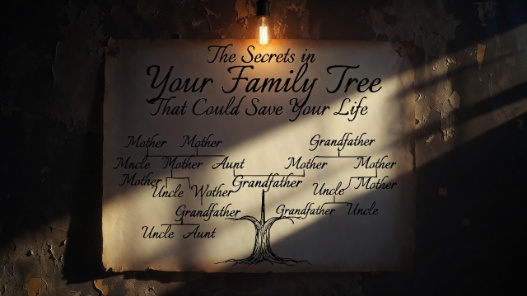
Many families love sharing stories about where they come from. At gatherings, grandparents talk about childhood memories, parents recall how they met, and children listen with curiosity. These stories help families feel connected. Yet, beyond the stories and laughter, families also pass down something far more important; their health history.

Family health history is the record of diseases and health conditions that run in a family. It may include illnesses such as diabetes, high blood pressure, heart disease, cancer, or mental health challenges. While many people rarely think about it, understanding your family’s medical background can reveal important clues about your own health.
The truth is simple. The past health experiences of your parents, grandparents, and relatives may hold valuable information about your future wellbeing.
What Is Family Health History?
Family health history refers to information about diseases and medical conditions that have affected members of your family over several generations. This includes parents, grandparents, siblings, aunts, uncles, and even cousins.
Certain conditions tend to appear repeatedly in families. These include:
Heart disease
Diabetes
High blood pressure
Stroke
Some types of cancer
Asthma
Mental health conditions
Obesity
When several people in a family develop the same condition, it may indicate a genetic risk. Genetics means the traits that parents pass down to their children through genes.
However, family health history is not only about genetics. It also reflects shared lifestyles. Families often eat similar foods, live in similar environments, and develop similar habits. These factors can influence health just as much as genes do.
For example, if a family regularly eats high-salt foods, several members may develop high blood pressure over time. In this case, both lifestyle and genetics play a role.
Understanding this history allows families to make better decisions about prevention and early treatment.
Why Many Families Ignore Health History
Despite its importance, many families rarely discuss health history openly. There are several reasons for this.
First, some people believe illness should remain private. Older generations sometimes avoid discussing diseases because they fear stigma or judgement.
Second, some families simply do not realise how useful this information can be. They may see illness as something random that cannot be predicted.
Third, cultural beliefs sometimes discourage conversations about health problems. In some communities, people may attribute illnesses to spiritual causes rather than medical ones.
Lastly, many families are too busy to have these discussions. Between work schedules, school runs, and daily stress, health history may seem like a low priority.
Unfortunately, silence about family health issues can prevent younger generations from recognising potential risks.
Early Warnings Hidden in the Family Tree
Family health history often works like an early warning system. If you know what illnesses run in your family, you can take steps to reduce your risk.
For instance, if several relatives developed heart disease before the age of 60, doctors may recommend regular heart screenings. Early monitoring can detect problems long before symptoms appear.
Similarly, people with a family history of diabetes may need to pay extra attention to their diet, weight, and physical activity.
In some cases, knowing family history can lead to life-saving screenings. For example, certain cancers are strongly linked to genetic patterns within families.
Without this knowledge, many people only discover health risks when it is already too late.
The Link Between Lifestyle and Family Habits
Families share more than genes. They share daily habits, traditions, and routines that shape their health.
Think about family meals. If a household regularly eats vegetables, fruits, and balanced meals, children are more likely to adopt those habits for life. But if meals are often heavy in processed foods and sugary drinks, health problems may follow.
Exercise habits also run in families. Children raised in active households often grow up valuing physical movement, while those raised in sedentary environments may struggle with inactivity.
Stress management is another example. Families that openly discuss problems and support each other emotionally often develop healthier coping mechanisms.
Because of this, family health history is not only about diseases. It is also about the patterns of behaviour that influence wellbeing.
Talking About Health Can Strengthen Families
Discussing family health history may feel uncomfortable at first, but it can actually bring families closer.
These conversations encourage openness and trust. When parents share their health experiences, children learn the importance of caring for their bodies.
It also helps families support one another. If a relative is dealing with a health condition, understanding the family history allows others to show empathy and provide encouragement.
In some cases, these discussions can inspire positive change. A family that learns about a history of heart disease may decide to adopt healthier meals together or begin regular exercise routines.
Rather than creating fear, these conversations can empower families to take control of their health.
Simple Questions You Should Ask
Starting a conversation about family health history does not need to be complicated. It can begin with simple questions such as:
Has anyone in our family had heart disease or stroke?
Are there cases of diabetes among relatives?
Has anyone been diagnosed with cancer?
Do mental health challenges run in the family?
At what age did relatives develop these conditions?
Recording these answers can help build a clear picture of your family’s health patterns.
Many doctors recommend writing this information down and updating it regularly. Even a simple notebook or digital document can become a valuable record for future generations.
How Family Health History Helps Doctors
Doctors rely heavily on family health history when assessing patients. This information helps them estimate risks and recommend preventive care.
For example, someone with a strong family history of high blood pressure may need more frequent monitoring.
Similarly, individuals with relatives who developed certain cancers may be advised to start screenings earlier than usual.
Without family health information, doctors may miss these important warning signs.
In many cases, early detection significantly improves treatment outcomes. This means family health history can play a direct role in saving lives.
Protecting the Next Generation
Perhaps the most powerful reason to understand family health history is to protect future generations.
Children inherit both genes and habits from their families. By learning about health risks early, parents can teach their children how to make healthier choices.
Simple actions such as balanced diets, regular exercise, and routine medical check-ups can dramatically reduce the likelihood of certain diseases.
When families become aware of their health patterns, they gain the power to change them.
In this way, knowledge passed down through generations can become a tool for prevention rather than a source of worry.
In Summary
Every family has a story. Some stories are told through photographs, traditions, and memories. Others are hidden within the patterns of health that pass from one generation to the next.
Family health history is not just a record of illnesses. It is a powerful guide that can help individuals understand their bodies, make wiser lifestyle choices, and detect potential problems early.
By talking openly about health, families can transform silence into knowledge and fear into prevention. What previous generations experienced does not have to determine the future. Instead, it can serve as a lesson that helps the next generation live longer, healthier lives.
Sometimes, the most important inheritance a family can pass down is not wealth or property but awareness. And that awareness might just save a life.



Comments (0)
Please sign in to join the conversation.
Loading comments...