


Children do not typically storm out of the house and announce that they no longer feel safe. That is not how it works. What they do instead is adjust. They shrink. They learn, with remarkable speed, which version of themselves is most acceptable in the home, and they begin to present only that version, tucking the rest away into corners that parents rarely think to look.
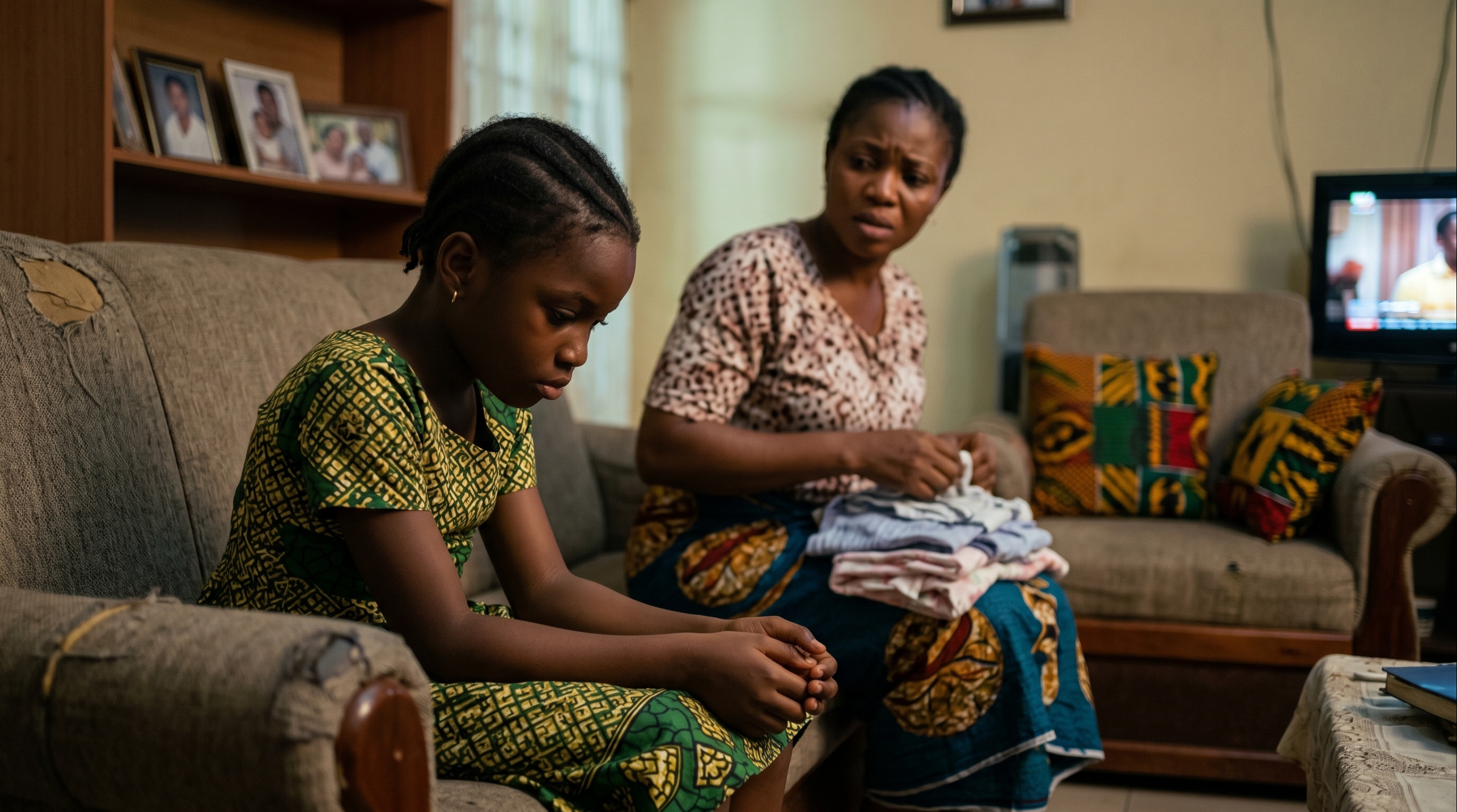
A child who was once chatty at the dinner table and now eats in focused silence is not necessarily ungrateful or sulking. In many cases, they have simply concluded, based on evidence gathered from living with you, that what they feel or think will not be received well, and so they have stopped offering it. It is self-protection, and it is heartbreaking precisely because it happens so quietly.
Adaeze, it turned out, had been carrying something for nearly three months. She had performed poorly in one of her mid-term assessments and had tried to bring it up with Ngozi, who was in the middle of a work crisis and had said, with genuine exhaustion and no malice, "Not now, Adaeze, please." That moment, forgettable to Ngozi, had lodged itself in Adaeze's mind like a splinter. It was not the first time she had been told "not now," and children, being the pattern-recognising creatures they are, had begun to assemble those moments into a conclusion: there is no right time to bring your problems home.
So she stopped bringing them.
This is one of the most important things parents need to understand — that children are always collecting data.
Every response you give, or fail to give, is information they are using to build a picture of the world and their place in it. When a child repeatedly experiences dismissal, distraction, or emotional unavailability, they do not simply move on. They update their internal model of how relationships work. They learn that need is inconvenient, that vulnerability is unsafe, that the people who are supposed to be their harbour are too occupied to anchor them.
There is a particular kind of pain that parents carry when they realise this, and it deserves to be acknowledged. Most parents who end up in this situation are not bad parents. They are tired parents, stretched parents, parents who genuinely love their children but who have been operating on empty for so long that emotional attunement has become a luxury they feel they cannot afford.
One of the signs that flies completely under the radar is what psychologists sometimes call "compliant withdrawal."
This is when a child becomes, on the surface, exceptionally easy — they stop making demands, stop asking for things, stop arguing. Parents often interpret this as maturity or good behaviour, and they reward it with praise.
But in a child who was previously expressive and is now suddenly "perfect," that compliance is often a warning, not a milestone. It means the child has decided that being invisible is safer than being seen, and that is a posture that, if left unaddressed, can follow them into their adult relationships with devastating consequences.
The relief that parents feel when children stop needing things from them is understandable, but it needs to be interrogated honestly.
A child who has stopped asking for things from their parents has not become more independent. In most cases, they have simply transferred their unmet needs elsewhere — to peers, to social media, to the internal world they have built specifically because the external one felt inhospitable.
This is one of the primary pipelines through which children end up in friendships or, later, relationships that are far below what they deserve. They go where they feel welcomed, even when those places are not good for them, because at least those places do not feel like a door perpetually held slightly ajar.
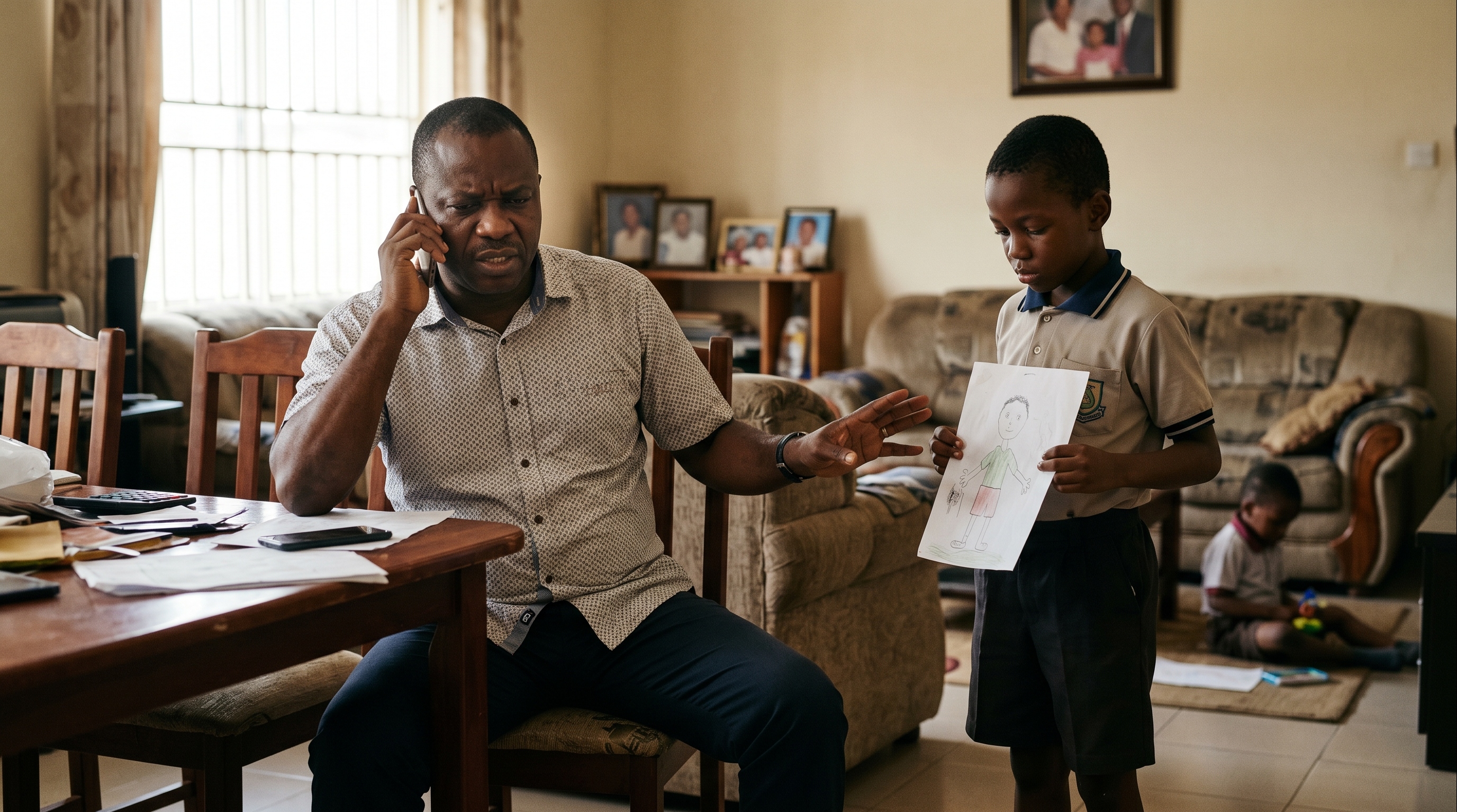
The environment inside a home communicates constantly. It communicates through the tone of voice used when asking about report cards. It communicates through whether a parent puts their phone down when a child starts talking. It communicates through whether disagreements between parents happen loudly, frequently, and in front of the children, leaving the children to absorb the anxiety and regulate themselves through it with no tools and no guidance.
It communicates through whether a child who makes a mistake is met with curiosity or contempt — "What were you thinking?" delivered with genuine interest versus the same words delivered as an indictment.
What parents often do not realise is that the quality of attention matters more than the quantity. A child does not need you available every second of every day. What they need, deeply and non-negotiably, is to know that when they do need you, you will actually be present. That knowing, that bedrock certainty, is what gives children the emotional confidence to navigate difficulty.
There is also the matter of fathers, specifically, who are often present in the home in a physical sense but emotionally remote in ways that their own upbringings trained them to be. A child can be housed, fed, clothed, and schooled in the finest institutions and still feel profoundly alone in their own home. Presence is not provision.
Presence is engagement, emotional attunement, the willingness to sit with discomfort and not fix it immediately but to simply witness it.
1 - What should parents be watching for, practically?
2 - Watch for the child who used to have an opinion about everything and now shrugs.
3 - Watch for the child who starts spending disproportionate time in their room — not as a normal phase of adolescence, but as an exit from the family.
4 - Watch for the child who flinches, not physically, but emotionally, when you raise your voice, even about something unrelated to them.
5 - Watch for the child who stops telling you things not because they are private but because they have learned that your response will cost them more than the silence does.
6 - Watch for the child who becomes the peacemaker between two feuding parents — that child is carrying weight no child should carry, and they are doing it at great expense to themselves.
Children are extraordinarily resilient when the adults around them are willing to grow.
You are not required to be a perfect parent. Perfection is not what your children are asking for. What they are asking for is to matter to you more than your stress does. To be seen before they are corrected. To be loved before they are managed.

Comments (0)
Please sign in to join the conversation.
Loading comments...