

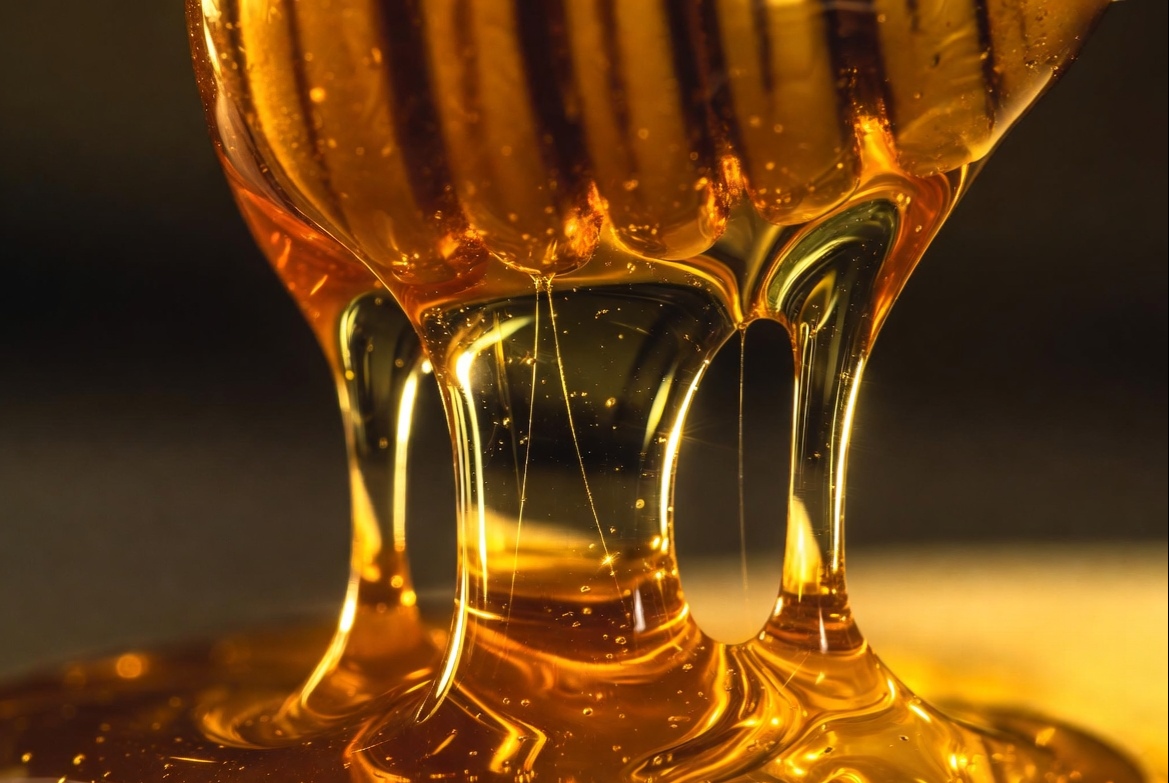
There is something almost magical about honey. It is one of the few foods on Earth that never spoils, one of the oldest medicines known to human civilisation, and one of the most scientifically studied natural substances of our time. Yet most of us treat it as nothing more than a sweetener for our morning tea. That, it is fair to say, is a terrible waste of something extraordinary.

Whether you are reaching for a raw, unfiltered jar from your local farmers' market or a humble squeeze bottle from the supermarket shelf, you are holding a product of remarkable complexity. Bees collect nectar from flowers, transform it through enzymes in their bodies, fan it dry with their wings, and seal it in honeycomb cells. What comes out is not just sugar; it is a living, bioactive food packed with over 200 compounds, including vitamins, minerals, antioxidants, and enzymes that work quietly but powerfully inside your body.
It Fights Off Bacteria
One of honey's most well-documented properties is its ability to fight harmful bacteria. This is not folklore; it is science. Honey produces small amounts of hydrogen peroxide as part of its natural chemistry, and this acts as a gentle antiseptic.
Stop Cooking Fresh Rice, Here's What You Should Do Instead
Manuka honey, which comes from New Zealand and is produced from the nectar of the manuka bush, goes even further. It contains a compound called methylglyoxal (MGO) in concentrations strong enough to be effective against bacteria that are resistant to antibiotics, a problem that is becoming one of the most pressing health crises of our time.
Even other raw honey, though not as potent as manuka, contains antimicrobial properties. For centuries, it was applied directly to wounds and burns, and modern research has caught up to what our grandmothers already knew. Clinical studies have shown that honey-treated wounds heal faster and are less prone to infection than wounds treated with conventional antiseptics alone. The World Health Organisation has, in fact, listed honey as a recommended remedy for childhood coughs, a nod to its proven effectiveness that goes beyond tradition.
Your Heart Will Thank You For the Switch
Replacing refined sugar with honey in your daily diet may be one of the simplest, most accessible things you can do for your cardiovascular health. Research has found that honey helps to lower LDL cholesterol, the kind that clogs arteries, while raising HDL cholesterol, the kind that clears them. It also reduces triglyceride levels in the blood, which are strongly linked to heart disease and type 2 diabetes. Since honey has a slightly lower glycaemic index than white sugar, it raises blood glucose levels more slowly and steadily, which is far kinder to your body over time.
A tablespoon of honey in place of sugar in your porridge, your baking, or your afternoon tea is not a sacrifice; it is an upgrade. The flavour is richer, the sweetness is more nuanced, and the health return is considerably better. It is one of those rare switches that costs you nothing and gives you quite a lot.
A Sore Throat's Oldest Enemy
In some households that believe in traditional remedies, chances are someone at some point handed you a mug of hot water with honey and lemon when you had a cold. That remedy is far older than any cough syrup on the market, and increasingly, the science backs it up. Honey coats the throat with a thick, soothing film that reduces irritation and suppresses the urge to cough. Studies comparing honey to over-the-counter cough medicines have found it performs just as well, and in some cases, better, with none of the drowsiness or side effects.
It also has natural antiviral properties. Certain types of honey have demonstrated the ability to inhibit the influenza virus in laboratory settings. This does not make it a cure; nothing about this should be read as medical advice, but it does suggest that honey's role in supporting the immune system during illness is genuine, not merely comforting. Sometimes, the oldest remedies persist because they work.
Your Gut Bacteria Love It
The gut microbiome, the vast community of bacteria that lives in your digestive system, has become one of the most talked-about areas of health research in recent years, and for good reason. A healthy gut microbiome is linked to better immunity, improved mood, clearer skin, and even a sharper mind. Honey, it turns out, acts as a prebiotic, meaning it feeds the good bacteria in your gut and helps them thrive.
Honey also has a mild antibacterial effect on harmful gut pathogens, including Helicobacter pylori, the bacteria responsible for most stomach ulcers. The result is a sort of gentle balancing act; suppressing the bad and nourishing the good. When combined with a diet rich in fibre, vegetables, and fermented foods, honey can be a quiet but meaningful contributor to gut health that most people overlook entirely.
Sleep, Stress, and The Brain-Honey Connection
Few people know that honey may support better sleep. The natural sugars in honey cause a small, controlled rise in insulin, which allows the amino acid tryptophan to enter the brain more easily. Tryptophan is a precursor to serotonin, which then converts to melatonin, the hormone that governs your sleep cycle. A teaspoon of honey stirred into a warm drink before bed is not an old wives' tale. There is real biology behind it.
Beyond sleep, there is growing research into honey's role in cognitive function. Animal studies have found that regular honey consumption may improve memory and reduce oxidative stress in the brain, two factors closely linked to the development of conditions like dementia. Human studies are still limited, but the early evidence is compelling enough to be worth paying attention to, particularly given how benign and enjoyable the intervention is.
Not All Honey Is Created Equal and That Matters
It would be dishonest to discuss the health benefits of honey without acknowledging that not all products on the shelf deserve the name. Many commercial honeys are heated to high temperatures, filtered aggressively, and blended with syrups or diluted with water. This processing can destroy the very enzymes, antioxidants, and antimicrobial compounds that give honey its value.
If you are buying honey for its health properties, look for raw, unfiltered, and ideally single-origin varieties. The colour tends to be darker, the texture cloudier, and the flavour more complex, all signs that the good stuff is still intact.
Local honey from bees foraging on wildflowers, heather, or clover is not only a beautiful thing to put in your body. It also supports biodiversity and the beekeeping communities that help sustain it. Buying well-made honey is, in this sense, good for more than just you.
A Spoonful a Day, Is That Enough?
You do not need to overhaul your diet to benefit from honey. Most of the research suggests that even small, consistent amounts, a teaspoon to a tablespoon per day, are enough to produce meaningful effects over time. Drizzle it on Greek yoghurt. Stir it into green tea. Spread it on sourdough with butter. Use it to sweeten sauces, dressings, and marinades. The opportunities are everywhere, and none of them require sacrifice.
Of course, honey is still a form of sugar, and moderation matters, especially for those managing diabetes or blood sugar conditions, for whom any sweetener should be discussed with a doctor first. It should never be given to children under one year of age, due to the rare but serious risk of infant botulism. Within those sensible parameters, however, honey is one of the most straightforwardly good foods you can add to your daily life. It is ancient, effective, and delicious. That is a combination that does not come along very often.



Comments (0)
Please sign in to join the conversation.
Loading comments...