

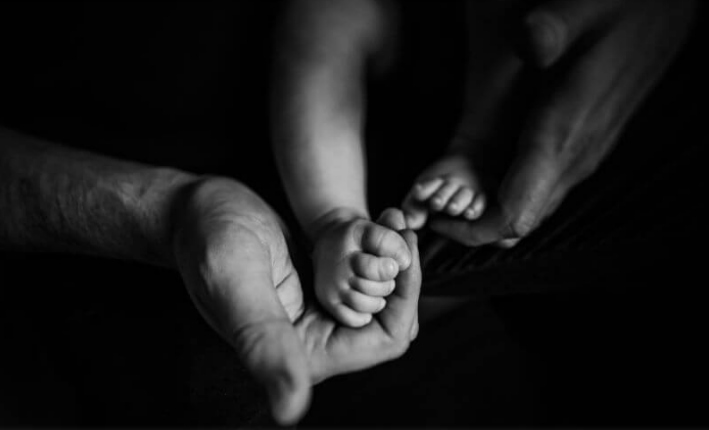
Efua almost missed it. It was her cousin's outdooring ceremony, the kind of Saturday where everyone is dressed in their best kente and the compound smells of jollof and fried plantain, and four-year-old Kwabena was running between the chairs chasing his cousins. Something about the way he ran caught her eye - a slight sway, one foot turning inward with every third or fourth step, as though his body was negotiating with the ground instead of simply moving across it.
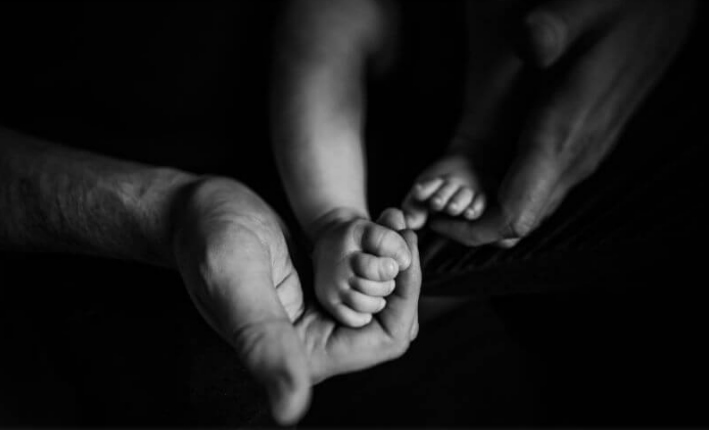
She almost laughed it off as childhood clumsiness. Then her aunt, sitting quietly with a cup of sobolo in her hand, said gently, "Efua, look at how the boy is placing his feet.”
It is not a story about fear. It is a story about attention - the kind that notices small things early, before they become the subject of bigger conversations later.
A child's walk is one of the earliest, most honest maps of their physical development. Long before children can describe discomfort in words, their gait tells a story about muscle strength, joint alignment, and balance.
Unbalanced walking patterns, whether it is toe-walking, in-toeing, a persistent limp, or a child who seems to tire and stumble more than their peers, are not something to panic over, but they are absolutely something to observe closely and respond to with intention.
Parents often ask themselves, quietly and sometimes with guilt, whether they missed something or did something wrong. Let this be said plainly: noticing late does not mean you failed.
Most parents are managing school runs, work deadlines, and the beautiful chaos of family life, and it is entirely human not to catch every detail immediately.
What matters now is what you do once you notice.
There are several reasons children develop unbalanced walking patterns, and understanding them removes the fear and replaces it with clarity. Growth spurts can temporarily throw off a child's coordination, since bones sometimes grow faster than the muscles supporting them.
Prolonged sitting in positions like the W-sit, where a child sits with knees bent and feet splayed outward behind them, can gradually tighten hip muscles and affect how they walk. Ill-fitting shoes, especially hand-me-downs or shoes bought a size too small to "grow into," can quietly distort a child's natural stride over months.
Reduced outdoor play, with more time spent seated in front of screens, means fewer opportunities for children to build the core and leg strength that a confident walk requires.
And in some cases, the pattern is simply a phase of development that will correct itself with time, movement, and encouragement.
Efua did not rush to conclusions. She spoke to Kwabena's paediatrician the following week, not with panic in her voice, but with the calm curiosity of a mother seeking understanding.
The doctor examined him, asked about his sitting habits, his shoes, and his play routine, and reassured her that with a few consistent adjustments at home, most children show noticeable improvement within weeks.
This part of the story requires consistency, patience, and a home environment that supports the body's natural ability to recalibrate.
Posture Corrections You Can Start at Home Today
If you have noticed something similar in your own child, here are practical steps that families have used, guided by professional advice, to support balanced movement at home.
Encourage barefoot play on safe, flat surfaces. Walking without shoes indoors, on grass, or on sand allows children's feet to build natural strength and sensory feedback that shoes often mute.
Correct the W-sitting position gently and consistently. Rather than scolding, redirect your child to sit cross-legged or with legs extended forward, turning it into a playful habit rather than a correction.
Invest in properly fitted footwear. Shoes should have room to move at the toe, firm support at the heel, and should never be inherited without a proper fitting check, however tempting it is to save costs.
Bring back active outdoor play. Hopscotch, skipping rope, climbing frames, and simple games of catch all strengthen the core and legs in ways that feel like fun rather than therapy.
Introduce simple balance exercises. Standing on one leg while brushing teeth, walking along a chalk line drawn on the ground, or balancing along a low curb with a parent's hand nearby are small, enjoyable ways to build coordination.
Limit prolonged sitting, especially in front of screens. Set gentle timers that encourage movement breaks, framing them as fun interruptions rather than restrictions.
Observe and document, without alarming your child. Take a short video of your child walking every few weeks. This helps you and any healthcare professional track real progress rather than relying on memory alone.
Seek professional guidance when a pattern persists beyond a few months, or if it is accompanied by pain, frequent falling, or visible discomfort. A physiotherapist or paediatrician can offer an assessment far more precise than observation alone, and there is no shame in seeking that clarity early.
Pay attention and choose to act with love rather than fear.
Children are remarkably responsive to consistent, gentle support, and most walking pattern concerns resolve beautifully with the right combination of patience, professional guidance, and home habits that nurture rather than pressure.

Comments (0)
Please sign in to join the conversation.
Loading comments...