


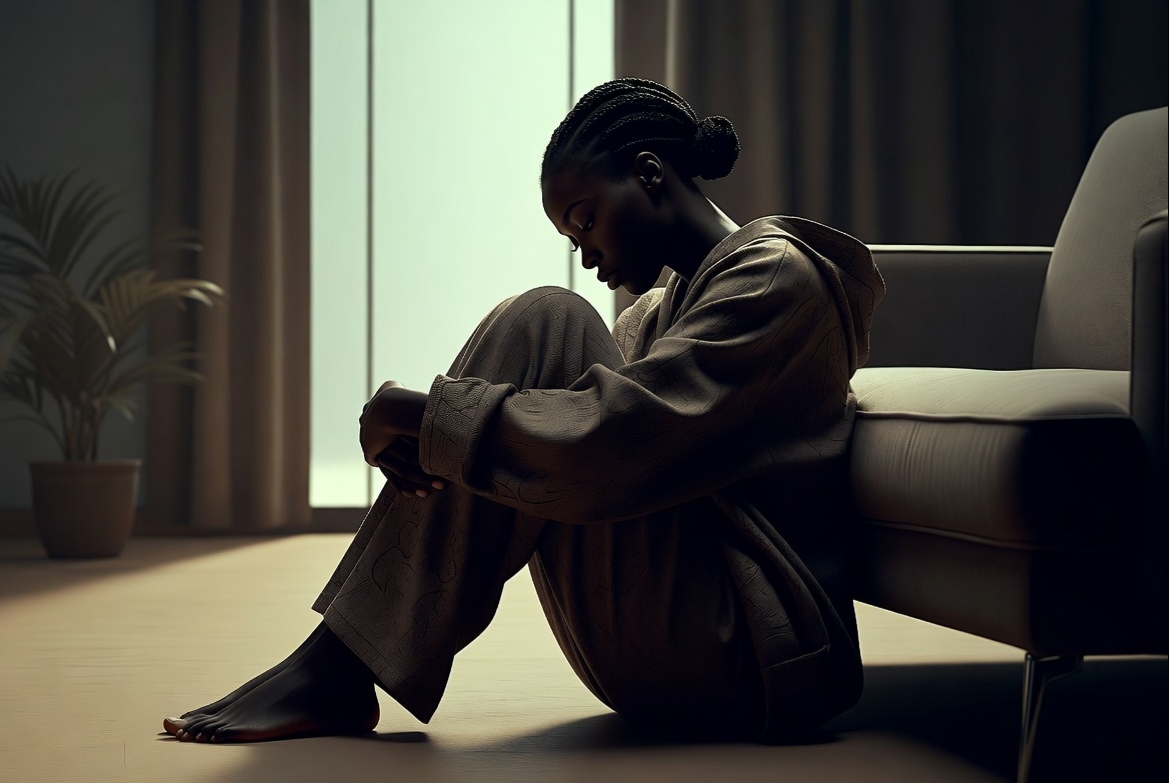
There is a bruise that no one can see. It does not show up on your skin or leave a mark that a doctor can photograph. However, it is there, sitting quietly behind your eyes, in the way you flinch at a raised voice or second-guess everything you say before you say it.

Emotional abuse does that to a person. Slowly, quietly, and with devastating effect.
Why we keep getting this wrong
We live in a society that has, for a long time, measured the seriousness of abuse by what can be seen. A broken arm. A black eye. A scar. This way of thinking, however unintentional, has left millions of people suffering in silence, convinced that what is happening to them does not count. That they are being dramatic. That they should simply toughen up and get on with it.
Ways PTSD Can Quietly Rewrite Your Family Life
However, emotional abuse is not a lesser form of harm. In many ways, it is more insidious precisely because it is invisible. The damage it causes to your sense of self, confidence, and ability to trust can take years, sometimes decades, to undo. Some people never fully recover. That is not nothing. That is everything.
What it actually looks like
Emotional abuse rarely announces itself. It does not arrive wearing a sign. It tends to creep in through small moments, such as a dismissive comment here, a joke at your expense there, a gradual erosion of your confidence that happens so slowly you barely notice it is taking place. By the time you realise something is wrong, you may have already started to believe the things being said about you.
It can look like a partner who constantly belittles your ideas in front of other people. It can look like a parent who uses guilt and shame as tools of control. It can look like a friend who switches between warmth and cruelty so unpredictably that you spend all your energy trying to keep them happy. It can look like gaslighting, being told, firmly and repeatedly, that the thing you remember did not happen, that you are too sensitive, that you are imagining things.
The common thread in all of it is this. Someone is systematically chipping away at your understanding of yourself, your worth, and your reality.
The body keeps the score, even without physical harm
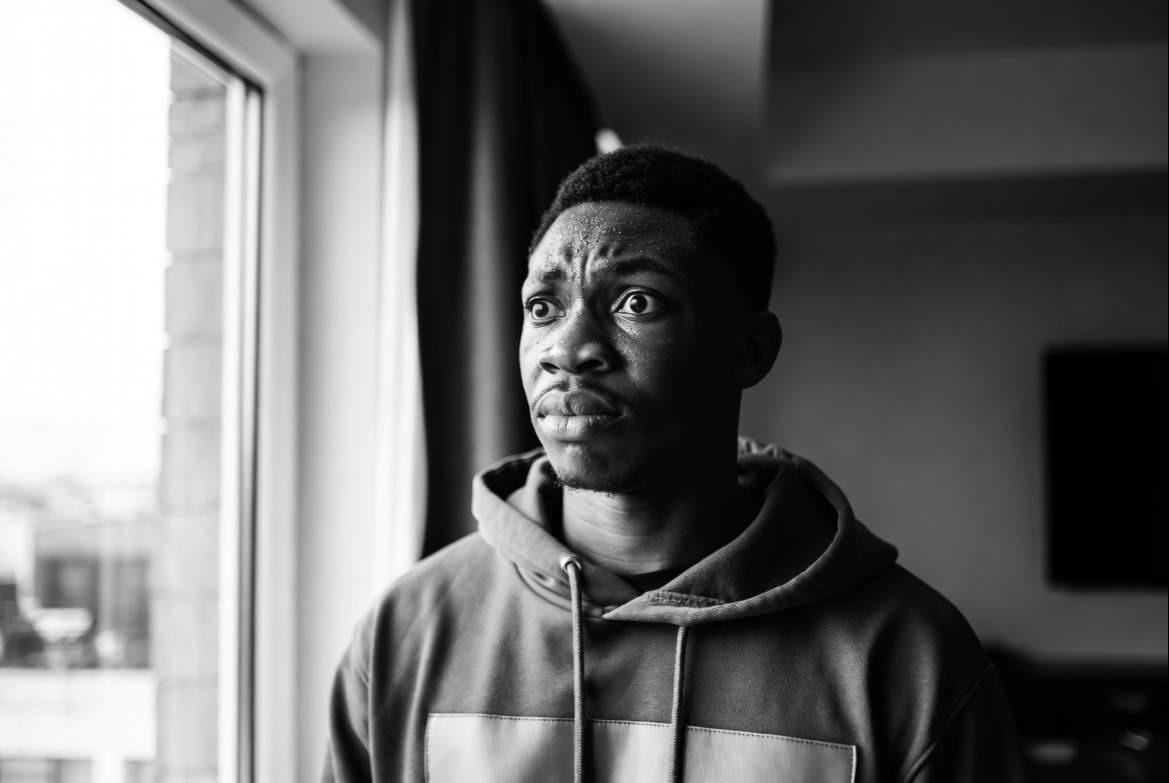
One of the most important shifts in modern mental health research has been the recognition that emotional trauma creates real, measurable changes in the brain and body. Chronic emotional abuse elevates cortisol levels, disrupts sleep, affects appetite, and can lead to anxiety, depression, and post-traumatic stress disorder. The nervous system does not distinguish between a fist and a cutting word delivered at the right moment, with enough force, often enough. Both signal danger. Both leave a mark.
This is not metaphor. It is biology.
Why people stay and why that question misses the point
One of the most unhelpful things we ask survivors of emotional abuse is: "Why didn't you just leave?" It misses the point entirely. Emotional abuse is, by its very nature, designed to make leaving feel impossible. When someone has spent months or years telling you that you are worthless, that no one else would want you, that you are lucky to have them, you start to believe it. That is the trap. That is the design.
Staying is not weakness. It is often the direct result of the abuse itself. So, understanding this changes how we support the people in our lives who are living through it.
What healing actually looks like
Healing from emotional abuse is not a straight line. It is not quick, and it does not follow a timetable. It often involves therapy, specifically trauma-informed therapy, as well as rebuilding relationships with people who show you what genuine kindness actually feels like. It involves learning, slowly and with great patience, to trust your own perceptions again. To know that what you feel is real. That what you remember happened.
It also involves a society that stops treating emotional harm as a soft issue. We need better awareness in schools, workplaces, and families. We need language for it. We need people to feel safe enough to name what is happening to them without fearing they will not be believed.
Conclusion
If something in this piece has landed with you, if you have read these words and felt a quiet, uncomfortable recognition, please know this. You are not alone, you are not dramatic, and what you have been through is real.
Speak to someone you trust. Reach out to a counsellor or a helpline. If nothing else, hold on to this one thing. The fact that you cannot see a wound has never once meant that the wound is not there.

Comments (0)
Please sign in to join the conversation.
Loading comments...