

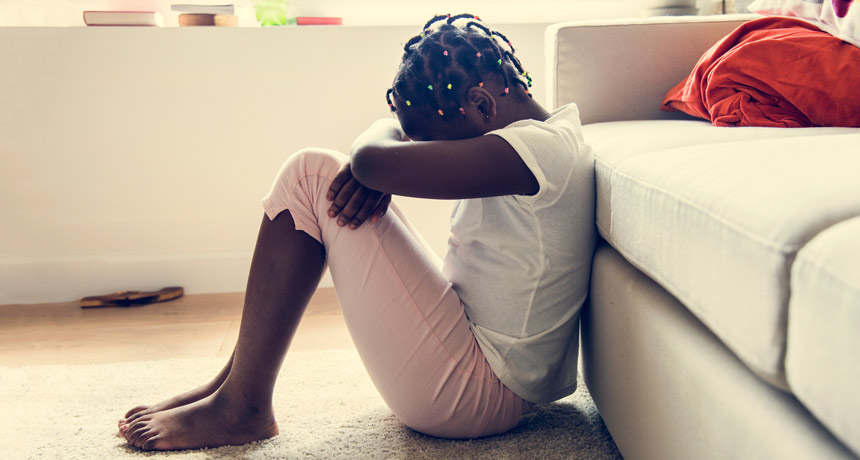
A child who was calm and alluring last month is suddenly explosive this month. The sweet, easy-going one who went everywhere with you without complaint now argues about getting into the car.
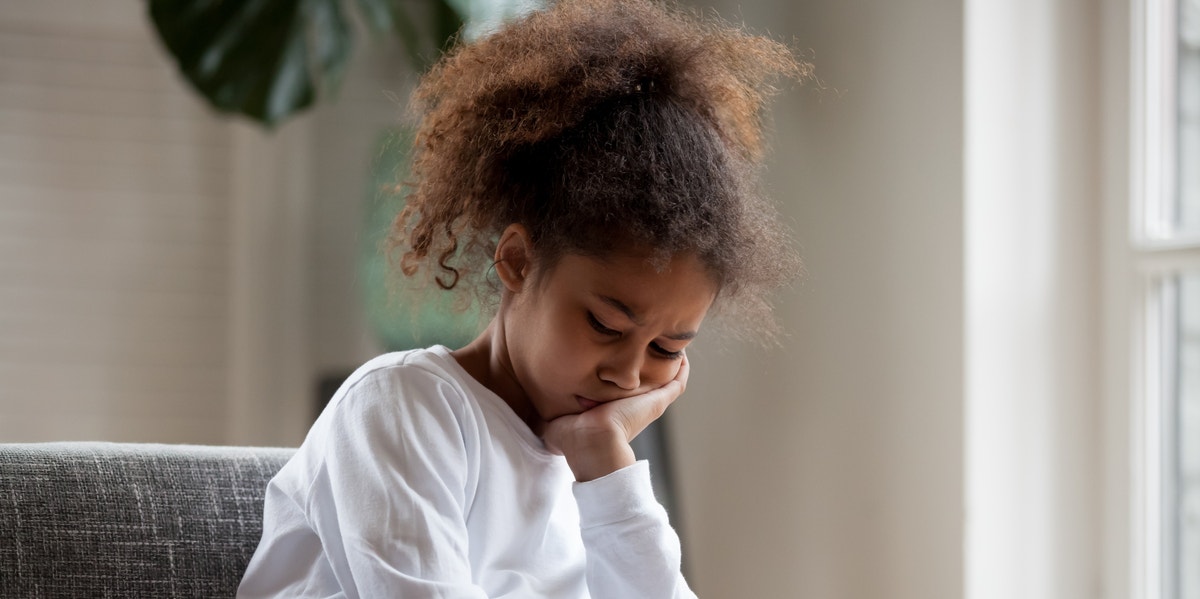
The child who used to kiss you goodnight now rolls their eyes and slams doors. Something has changed, and it feels sudden, and it feels personal, and if nobody tells you otherwise, you begin to wonder what you did wrong or worse, what is wrong with your child.
The honest answer to both of those questions is: probably nothing.
What you are witnessing is not a character flaw. It is communication. Difficult, uncomfortable, poorly timed, occasionally furniture-scattering communication but communication, all the same.
Let's get into it.
1. They Are Processing a Transition They Didn't Ask For
A better house, a better school is objectively an upgrade by every adult metric. Children do not have the language or the status to say, "I am struggling with this change, and I need support." Instead, they scatter jigsaw puzzles across living room floors and tell you they hate the house. Transitions, new schools, new siblings, new homes, new routines are enormous events in a child's emotional world. When the difficult behaviour arrives right after a change, look to the change first.
2. Something Is Happening at School That They Haven't Told You About
One of the most consistent patterns in a child who is experiencing difficulty in one environment will discharge that difficulty in the environment where they feel safest, which is usually home, and usually onto the people they trust most. The family bears the weight of stress that originated somewhere else. When a child becomes suddenly difficult at home, always ask about school not in an interrogative way, but in a warm, unhurried way that creates room for honesty.
3. They Are Sensing Tension Between the Adults in the Home and Absorbing It
Children always notice. Children are extraordinarily sensitive barometers of the emotional atmosphere in a home, and when that atmosphere is charged, they absorb that charge into their own bodies and behaviours. This is not anyone's fault. It is simply the reality of how emotionally interconnected families are. When you and your partner are managing something hard, your children will feel it, even when you are certain they don't.
4. They Are Developmentally Right on Schedule
Some of the difficulty is simply developmental: age-appropriate, research-backed, entirely normal, and breathtakingly inconvenient. Nine-year-olds are beginning to develop a stronger sense of personal identity and fairness. They notice hypocrisy. They resent rules that seem arbitrary. They are starting to understand that parents are not all-knowing, and that discovery is disorienting. Twelve-year-olds are standing on the threshold of adolescence and experiencing neurological changes that make emotional regulation genuinely harder, not as an attitude, but as a biological reality. Understanding the developmental stage of your child changes your emotional response to it, and that matters enormously.
5. They Feel Unheard in the Family, and the Behaviour Is Their Volume Button
When children feel that their emotional experiences are not being seen or taken seriously, they turn up the volume in the only way available to them. The difficult behaviour is not defiance. It is amplification. It is a child saying: please, look at me here.
6. They Are Tired, Overscheduled, or Overwhelmed — and Nobody Has Noticed
Look at the average week of the modern child with engaged parents: school, homework, a tuition class, perhaps a sports activity, church on Sunday, visiting relatives on public holidays. It sounds like a full and enriched life. And it can be. But for some children, at certain seasons, it is simply too much, and because children do not have the authority to say "I need to slow down," they express overwhelm through behaviour. They become irritable, tearful, oppositional, or clingy in ways that look like a character problem but are actually a scheduling problem.
7. Something Has Frightened Them, and They Don't Have the Language to Name It
Fear in children rarely looks like fear. It looks like anger, withdrawal, aggression, clinginess, and disruptive behaviour. A child who witnessed something unsettling at school may come home and act in ways that seem completely unconnected to that event, because for them, the connection isn't conscious. It is emotional. Children need an environment where they can surface fear without being told it isn't a big deal. If a child's behaviour has changed and you've examined everything else, gently ask: "Is there anything you saw or heard lately that's been sitting in your head?"
8. They Are Testing Whether Your Love Is Conditional
Children will sometimes behave badly, unconsciously, to see what happens. To find out whether your love, patience, and presence survive the test. A child saying "I hate this house" to his mother was, on some level, a question disguised as a statement: Will you still be here? Will you still be kind to me if I am not easy? When his mother sat on the floor beside him instead of sending him to his room, she answered that question. She told him, without words, that she was not going anywhere. That her presence was not dependent on his behaviour. That is one of the most important messages a parent can ever send, and it is sent through action, not speech.
9. Their Physical Needs Are Off, and It's Showing Up as Behaviour
Before anything else, check the basics. Is your child sleeping enough? Are they eating well? Are they moving their body enough during the day? Are they getting adequate water? The relationship between physical wellbeing and emotional regulation in children is direct, immediate, and frequently underestimated by parents who are looking for complex explanations for behaviours that sometimes have very simple physical roots. Sleep deprivation in children looks like irritability, low frustration tolerance, and explosive behaviour.
10. They Are Growing Into Themselves, and It Feels Uncomfortable for Everyone
Some of the difficulty you are experiencing is not a problem to be solved. It is a process to be survived, together. Children growing into fuller versions of themselves will inevitably push against the boundaries that once felt comfortable. They will contradict you. They will resist. They will express opinions you didn't know they had, about things you didn't realise they were watching. The difficult behaviour had not been the enemy. It had been the passage.
What we want you to carry away from all of this is the question you ask when your child becomes suddenly difficult. Instead of "What is wrong with this child?" — try "What is this child trying to tell me?" That shift from judgement to curiosity is not a parenting hack. It is not a technique.
It is a fundamental reorientation toward your child that changes the entire quality of your relationship with them. It is the difference between a parent who manages behaviour and a parent whose child genuinely believes, down to their bones, that they have a safe place to land when the world gets hard.
Your child is not trying to make your life difficult. They are having a difficult life in the way that being small and growing and figuring out who you are is always, in some measure, difficult, and you are the person they trust most to notice.
Notice. Ask. Sit on the floor when you have to.

Comments (0)
Please sign in to join the conversation.
Loading comments...