

Gaudence Nizeyimana called her son to dinner three times before she finally walked into the sitting room herself, and found Dieudonné, 13 years old, hunched forward with the controller gripped so tightly his knuckles had paled, eyes fixed on the screen with an intensity that hadn't broken even when she'd said his name twice from the doorway.
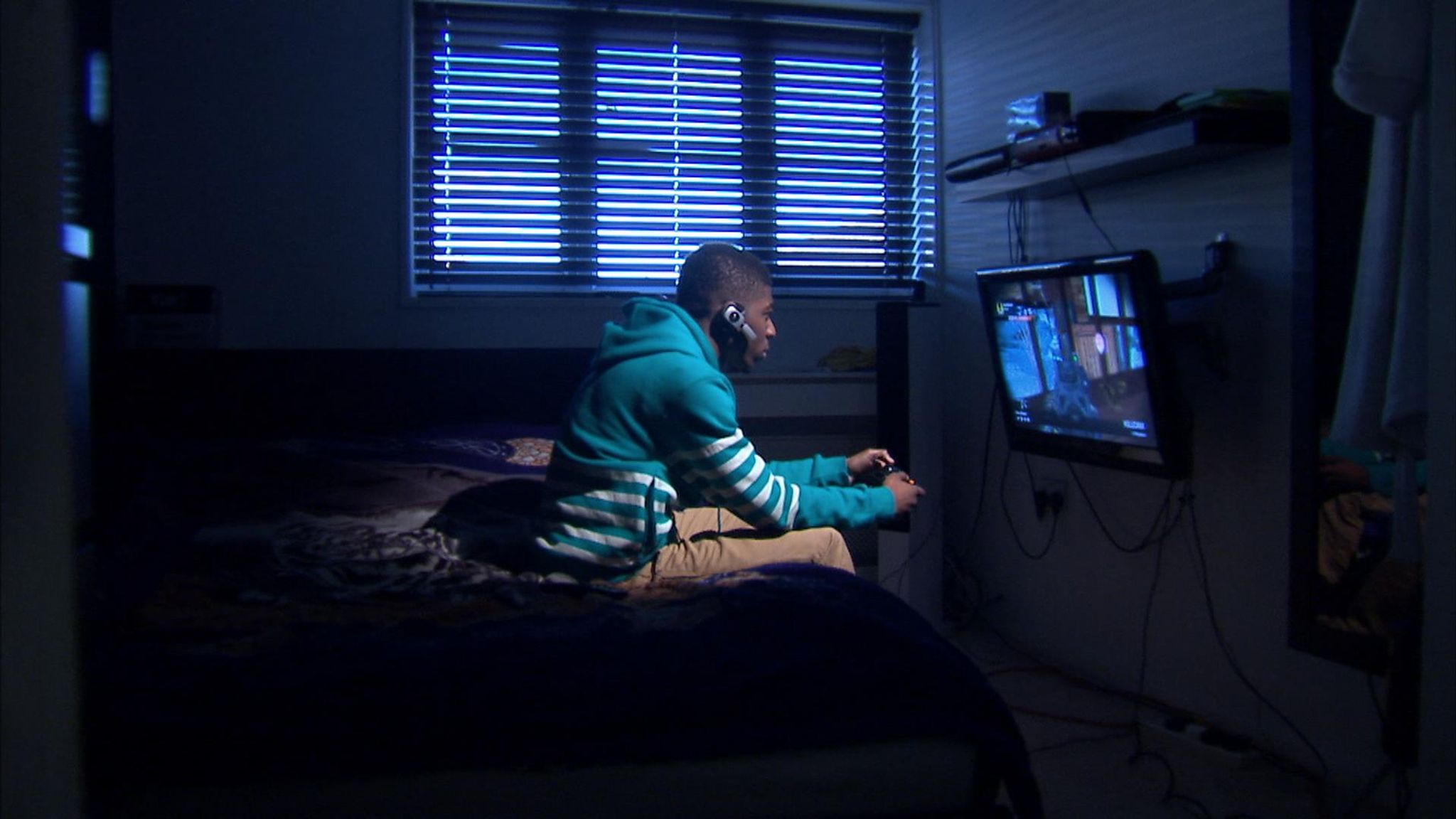
"Doudou, dinner is getting cold," she said again, and this time he answered without turning his head, "Two more minutes, I'm in the middle of something." Those two minutes became 20.
Gaudence stood there watching her son, who used to run to the table the moment food was mentioned, now seemingly unable to physically pull himself away from a glowing screen: was this just normal enthusiasm, or was something bigger happening?
Her husband, Aloys Ndikumana, initially waved off her concern, pointing out that boys have always loved games, whether it was football in the yard a generation ago or a console today.
The Real Difference Between Enthusiasm and Addiction
1. Enthusiasm fits around life; addiction reshapes life around itself. A child who loves gaming will still show up for meals, chores, and homework mostly on time, while a child struggling with something closer to addiction begins restructuring their entire day around when they can next play.
2. Healthy gaming allows for natural stopping points. Dieudonné used to finish a match and set the controller down without much resistance, but lately, stopping had become a source of visible tension, arguments, and negotiation almost every time.
3. Addiction often involves lying or hiding the extent of play. Gaudence discovered Dieudonné had been sneaking his tablet under his blanket after bedtime, playing for hours he'd carefully concealed from his parents.
4. Genuine enjoyment doesn't usually replace other interests entirely. He'd stopped asking to play football with his cousins on weekends, an activity he'd once loved unconditionally, choosing to stay indoors gaming instead almost every time.
5. Healthy engagement doesn't typically produce irritability when interrupted. Dieudonné's reactions to being called away from a game had grown sharper and more disproportionate than the interruption itself warranted.
6. Addiction frequently involves using gaming to escape difficult emotions rather than simply for fun. When Gaudence asked gently what he loved about the game, Dieudonné admitted, almost surprising himself, "It's the only time I don't think about anything else," a comment that revealed the game had become less about enjoyment and more about avoidance.
7. Physical signs often accompany problematic use. He'd developed noticeable eye strain, complained of headaches more frequently, and his posture had begun to visibly suffer from hours hunched over a screen.
8. Academic and social responsibilities begin slipping specifically because of gaming. His teacher mentioned that homework had gone from consistently completed to frequently late, a change that lined up closely with his increased gaming hours.
9. There's a growing tolerance, needing more time to get the same satisfaction. What used to be an hour of contented play had crept toward three or four hours, with Dieudonné seeming less satisfied even as the time increased.
12 Ways Parents Can Respond Without Overreacting
1. Have an honest conversation before making any rules. Aloys sat with Dieudonné and asked directly, "Help me understand what gaming gives you that other things don't right now," opening a real conversation rather than issuing a decree.
2. Set collaborative limits rather than unilateral bans. Together, they agreed on a daily gaming window that Dieudonné helped design himself, which made him far more likely to respect it than a rule imposed entirely from above.
3. Reintroduce other interests gradually and without pressure. Aloys began inviting Dieudonné to football on Saturday mornings again, not as a punishment or replacement, but as a genuine invitation back into something he used to love.
4. Keep screens out of the bedroom overnight. Devices began charging in the sitting room after a set hour, removing the possibility of hidden late-night sessions entirely.
5. Watch for the emotional root, not just the behaviour. Gaudence realised Dieudonné's escalating gaming had started around the same time he'd struggled with a difficult transition to a new class, and once they addressed that underlying stress directly, the gaming naturally became less compulsive.
6. Model healthy screen habits yourself. Aloys noticed his own evening phone scrolling wasn't so different from what he was asking Dieudonné to change, and adjusting his own habits made the household conversation feel fair rather than one-sided.
7. Praise effort in other areas to rebuild a broader sense of achievement. When Dieudonné scored well in a school project, Gaudence made a visible point of celebrating it, helping him rediscover satisfaction outside the game.
8. Use natural consequences instead of dramatic punishments. Rather than banning gaming entirely after a broken curfew, they simply shortened the following day's window, a consequence directly tied to the behaviour rather than an unrelated punishment.
9. Seek professional support if the pattern persists despite consistent effort. When initial changes made only a partial difference, the family consulted a counselor who specialized in adolescent technology use, recognizing that some patterns need more structured support than home efforts alone can provide.
10. Stay curious about the games themselves rather than dismissing them entirely. Gaudence began asking Dieudonné to explain his favourite game's storyline, discovering a rich, imaginative world he'd been eager to share the entire time, if only someone had asked.
11. Celebrate progress without expecting instant transformation. When Dieudonné voluntarily set down his controller one evening to help with dinner, Aloys simply said, "I noticed that, and I appreciate it," resisting the urge to make a bigger deal of it than necessary.
12. Keep the relationship, not the rule, as the priority. Gaudence reminded herself throughout the process that Dieudonné needed to feel like a son being guided, not a problem being managed, and that distinction shaped every conversation that followed.
Gaming itself was never the enemy in this story, and treating it that way would have missed the point entirely.
The real question was never video games or addiction in isolation, but whether a child's whole life still had room to breathe around it, and a parent who watches for that balance, gently and consistently, gives their child the surest path back to a life that fits together the way it should.



Comments (0)
Please sign in to join the conversation.
Loading comments...