


Nobody hands you a manual when a family changes shape. One day, your world is one thing, and then through divorce, remarriage, or circumstance, it becomes something entirely different. New faces at the dinner table. New rules. New loyalties you never asked for. If you have grown up in, or are currently navigating, a blended family, you already know that the feelings involved are rarely simple.
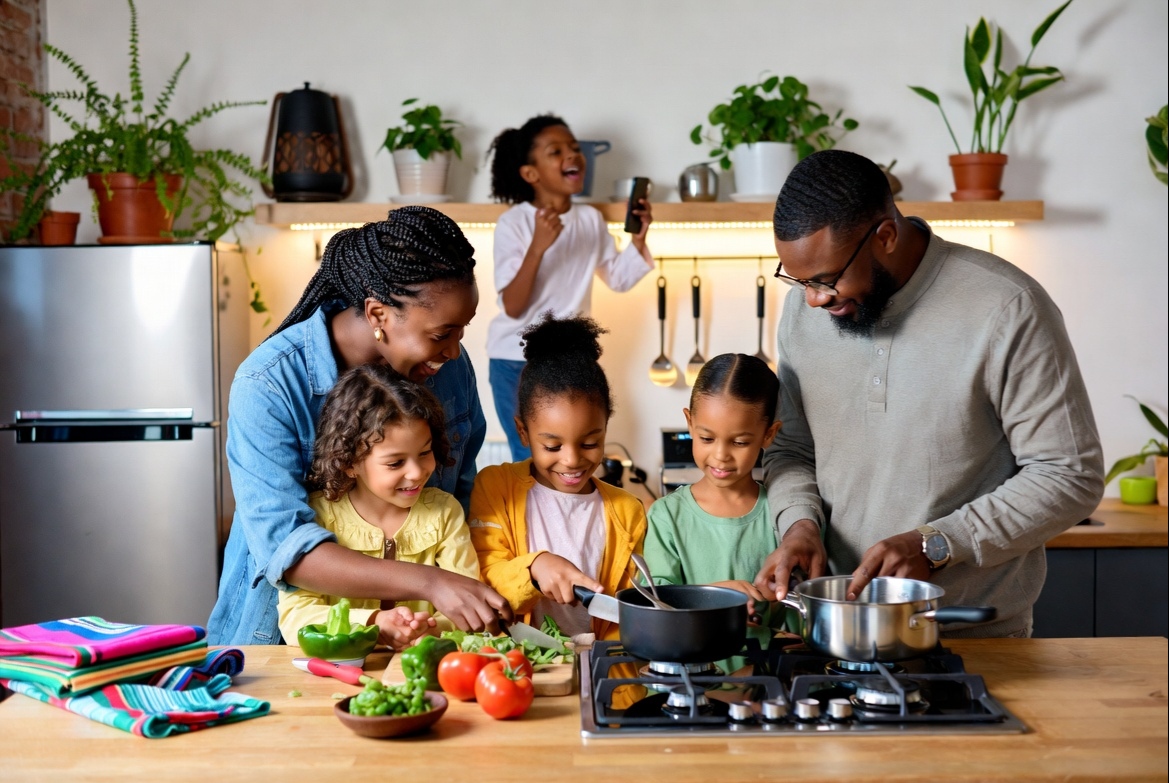
The truth is, blended families are one of the most common family structures in the world today, yet they remain one of the least talked about honestly. People post the happy reunions on social media. They rarely post the awkward Christmases, the arguments over who sits where, or the quiet grief of feeling like you are split between two worlds.
How Your Overthinking Can Quietly Damage a Good Relationship
This post is for the people living in those in-between spaces. It is for the child who loves both parents fiercely but feels guilty admitting it. It is for the teenager who does not know how to feel about the new stepsibling who has just moved into their bedroom. And it is for the adult still untangling the threads of a childhood shaped by family change.
Understanding why it feels so complicated
Before anything else, it helps to understand why blended family relationships are so emotionally loaded. When families come together through remarriage or partnership, children are asked to accept new people into a space that already feels fragile. Loyalty becomes a tightrope. Loving a step-parent can feel like a betrayal of a biological parent. Getting close to a step-sibling can feel disloyal to a sibling who lives elsewhere.
These feelings are completely normal. They are not signs that something has gone wrong with you. They are signs that you care deeply about the people in your life and that you are trying to work out where everyone fits.
Building a relationship with step-siblings
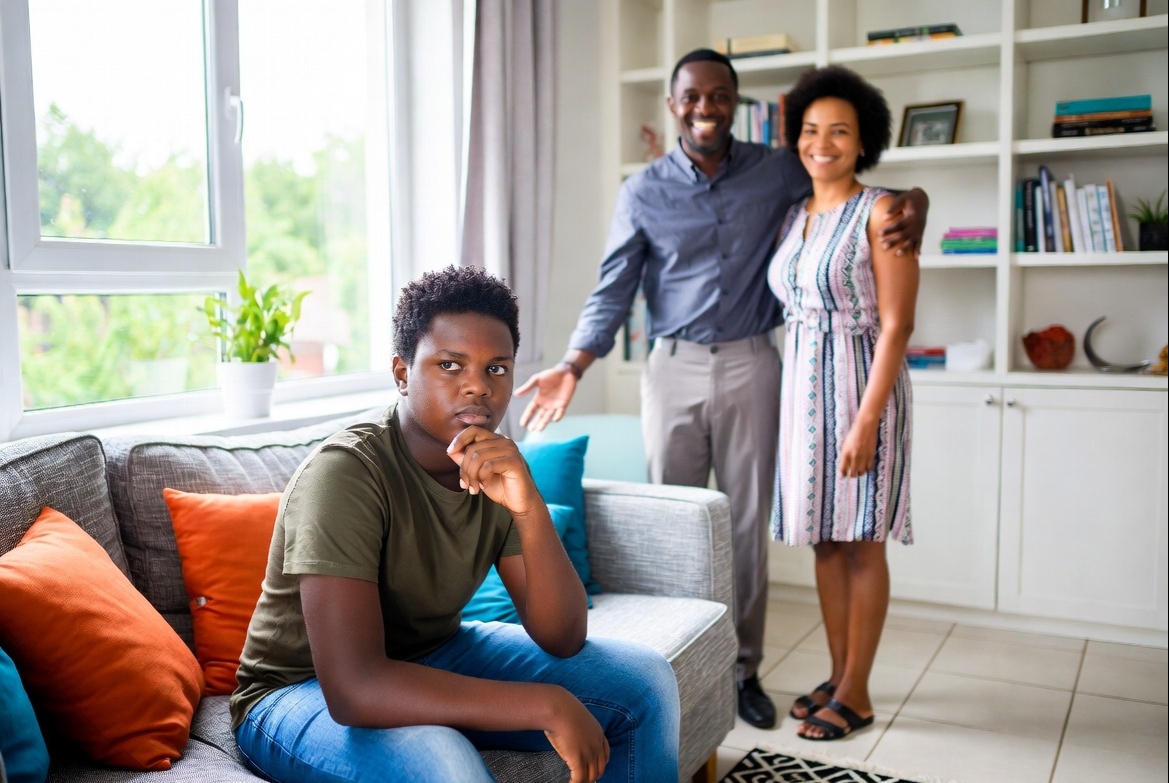
Step-siblings are perhaps the trickiest relationship of all, because unlike a parent or a partner, you did not choose them and they did not choose you. You were simply placed beside each other by the decisions of adults and told, in so many words, to get on with it.
- Start small. You do not need a deep bond straight away, and pretending to have one when you do not will only breed resentment. Instead, look for one small thing you have in common: a show you both watch, a sport, a shared complaint about something at home. Build from that single thread. Genuine connection rarely announces itself. It grows quietly, in the small moments: a shared joke, a late-night conversation, covering for each other when you have both stayed out too late.
- Be honest about your feelings, but be thoughtful about timing. Telling a step-sibling that you resent them during a family argument will close doors. Telling them, quietly and calmly, that you are finding the adjustment hard and inviting them to share how they feel too opens them.
- Set clear, respectful boundaries around personal space, belongings, and privacy early on. Boundaries are not rejection; they are the foundations of a healthy relationship. A step-sibling who knows and respects your limits will trust you more, not less.
- Give it time. Some step-siblings become the closest confidants a person will ever have. Others remain cordial but distant. Both outcomes are fine. The goal is not forced closeness, it is mutual respect and, where possible, genuine warmth.
Staying connected with a biological parent who lives elsewhere
One of the most quietly painful parts of blended family life is the distance, emotional and physical, that can grow between a child and a parent who no longer lives in the same home. This is true whether you are eight or thirty-eight. The longing does not disappear with age.
Prioritise consistency over grand gestures. A regular phone call every Sunday means more than an expensive weekend trip that happens twice a year. When a biological parent knows they can count on that Sunday call, and when you know it is coming, it builds a quiet, solid rhythm of connection. Reliability is a form of love.
Be honest with your biological parent about your life, including your life in the blended household. Keeping that world hidden because you fear their reaction will create a gap between you that slowly widens. Most parents, even those carrying their own hurt, want their children to be happy. Let them in.
Equally, try not to use your relationship with a biological parent as a weapon against a step-parent, or vice versa. Children who are encouraged to take sides suffer for it, and so do the adults involved. You are allowed to love different people differently, and none of those loves cancel each other out.
Navigating conflict with grace when things get tense
Conflict in blended families is not a sign of failure. It is a sign that several strong, complex human beings are sharing a space and a life, each carrying their own history. The question is not whether conflict will come but how you will handle it when it does.
When arguments arise with a step-sibling, resist the urge to bring biological parent loyalties into it. The phrase "well, you are not even really my sibling" is one of the most damaging things that can be said in a blended household. Even if it is technically true, it is a door that, once slammed, takes a very long time to open again.
With biological parents, learn to separate the person from the parent. Your father may have made choices you struggle to forgive. Your mother may have brought someone into your life you never wanted. Yet, a parent's failings as a partner do not necessarily make them a poor parent. Many adults who work through that distinction find it surprisingly freeing.
Taking care of yourself throughout it all
Blended family life can be emotionally exhausting. The constant balancing act of feelings, loyalties, and relationships takes a real toll. Do not underestimate how much you may need support from a trusted friend, a counsellor, or simply a private journal where the thoughts you cannot say out loud can breathe.
Therapy is not a last resort. It is, for many people in blended families, one of the most useful tools available. A good therapist can help you understand inherited patterns, let go of guilt that was never yours to carry, and develop communication skills that make every relationship in your life richer.
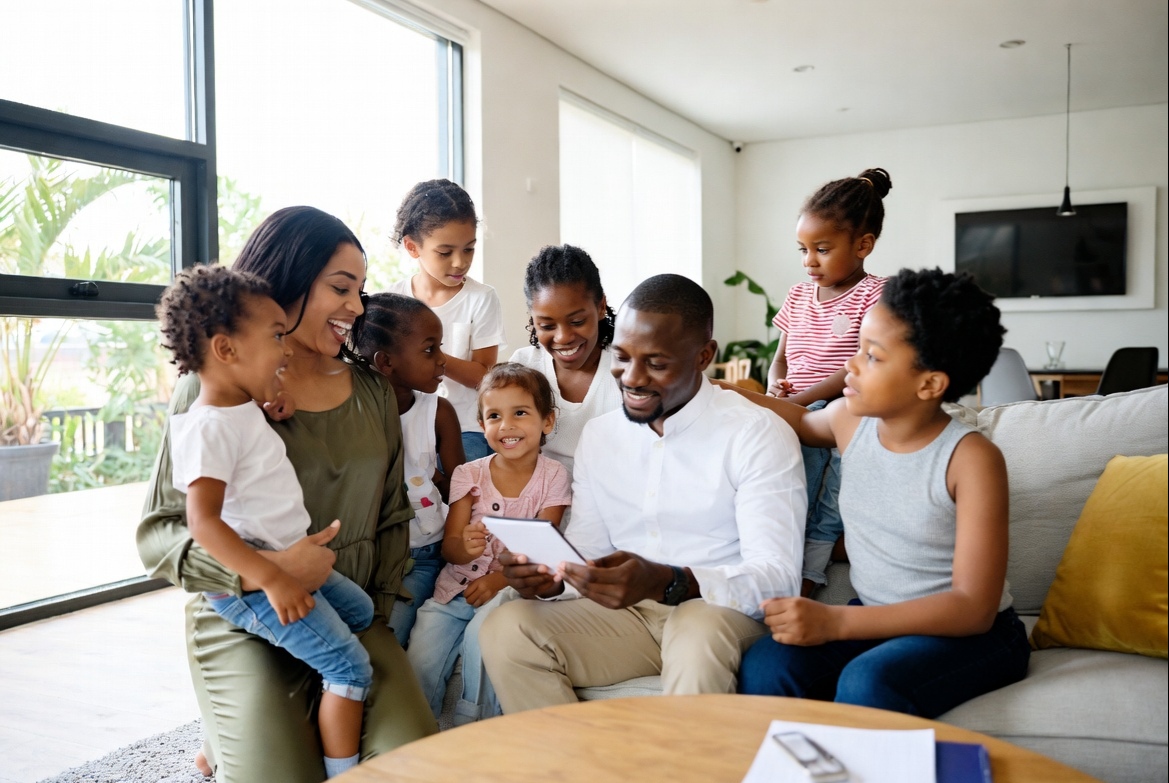
When things feel hardest, remember this: the fact that blended family relationships are difficult does not mean they are not worth fighting for. Some of the most meaningful bonds in human experience have been forged in exactly this kind of complicated, messy, imperfect terrain.
You did not choose the family you started with. However, the family you build with patience, honesty, and a willingness to keep showing up, that one is entirely yours.
Comments (0)
Please sign in to join the conversation.
Loading comments...