

The Saturday morning was the kind that Lagos occasionally gifts you which is overcast, breezy, no suffocating heat pressing through the windows, the kind of morning where the whole family could breathe.
Zara was in the kitchen making akamu for the children, stirring slowly, her mind already running through the week ahead. Kofi walked in, glanced at the pot, and said with a theatrical sigh, "Oh wow, akamu again. Because clearly, we have the most adventurous kitchen in all of Lagos."
He smiled. He meant it as a joke. Zara stirred the pot a little harder and said nothing. Their seven-year-old daughter, Nneka, looked up from her colouring book at the kitchen table, sensed something shift in the air, and quietly went back to colouring the sky an unusual shade of green.
The morning continued. Nobody argued.
But something small and real had just been dinged, which only Zara could hear.
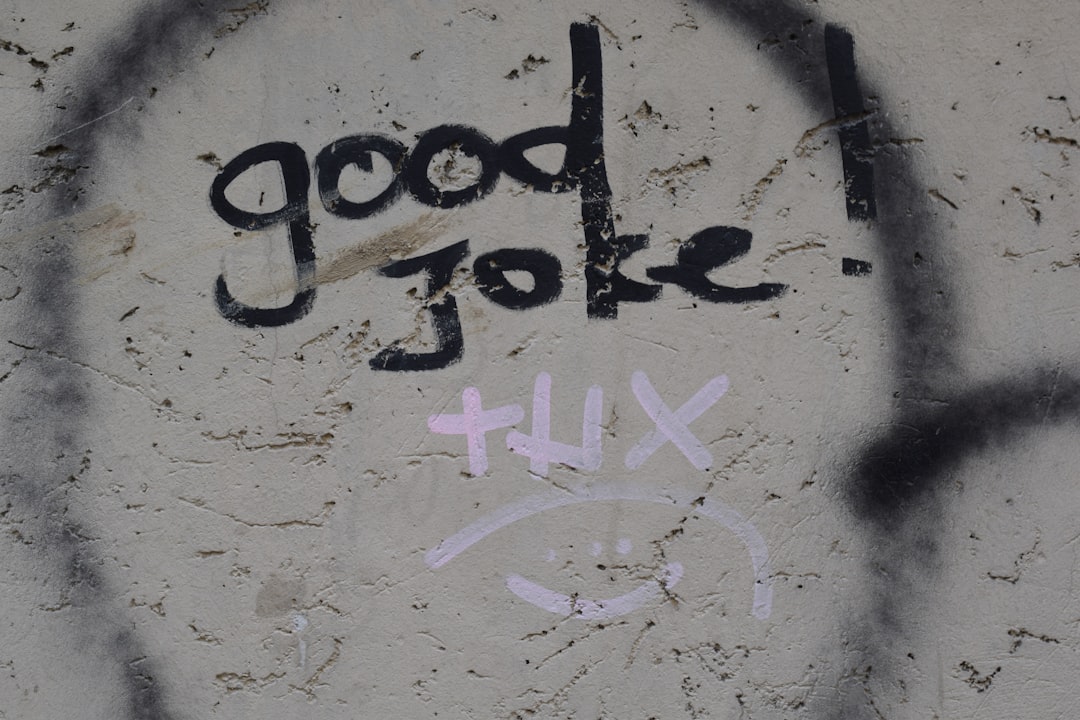
This is how it usually goes with sarcasm in relationships. It comes dressed as humour: sharp, quick, often genuinely funny to everyone in the room except the person it lands on.
And because it's cloaked in a joke, the person on the receiving end is left with an impossible choice: laugh along and swallow the sting, or say something and risk being told, "Relax, I was just playing." Either way, they lose.
And over time, that losing adds up into something much heavier than a series of bad jokes. It adds up into distance, resentment, and a quiet but persistent feeling of not being safe with the person who is supposed to be your safest place.
Here are 16 honest, grounded reasons why sarcasm becomes a weapon in love, and what couples can do to reclaim warmth, safety, and genuine connection.
1. Sarcasm delivers real criticism while hiding behind humour.
When Kofi commented the akamu, what he was actually communicating underneath the joke was a complaint about the food choices at home. But because it was wrapped in sarcasm, he had deniability. "I was joking!" is the exit door that sarcasm always leaves open, and it's a particularly frustrating exit door because it shuts down any legitimate response from the person who was hurt. Criticism delivered with a smirk is still criticism. Partners deserve to receive it directly and respectfully, not disguised as entertainment.
2. It creates confusion about what is actually being said.
After the kitchen moment, Zara spent the rest of the morning quietly trying to decode Kofi's comment. Was he genuinely unhappy with meals? Was he having a bad morning? Was this about something else entirely? Sarcasm is inherently ambiguous, and that ambiguity is exhausting to live inside when it's coming from your partner regularly. Healthy relationships thrive on clarity, on partners saying what they mean and meaning what they say. When sarcasm becomes the dominant language, clarity disappears, and both people start spending energy interpreting each other rather than understanding each other.
3. It teaches your partner that vulnerability will be met with ridicule.
Three weeks after the akamu morning, Zara tried to tell Kofi that she'd been feeling overwhelmed and undersupported at home. Before she could finish, he smiled and said, "Ah, so now you're the most stressed person in the world?" He was, in his mind, deflecting with humour because he didn't know how to respond to her emotion. But what Zara received was confirmation of something she'd been quietly suspecting: bringing real feelings to Kofi came with a risk of having those feelings mocked. So she stopped bringing them. And Kofi wondered why she seemed so far away.
4. It erodes emotional safety over time.
The most dangerous thing about sarcasm in a relationship is its gradualism. Nobody wakes up one morning and decides the relationship is emotionally unsafe. It happens incrementally in one deflective comment at a time, one smirking dismissal at a time, until one day your partner realizes they've been quietly editing themselves around you for months. Emotional safety is the foundation on which intimacy, honesty, and genuine partnership are built. Sarcasm, used habitually, chips away at that foundation without either person fully noticing until the cracks are wide enough to fall through.
5. Children absorb the emotional texture of the home.
Nneka went back to colouring her sky green that Saturday morning, but she absorbed everything. Children are extraordinarily sensitive emotional barometers as they may not understand the words, but they read the energy in a room with uncanny accuracy. When they regularly witness one parent deflecting the other's feelings with sarcasm, they learn two things simultaneously: that mockery is an acceptable response to someone's pain, and that it is safer to stay quiet than to express what you feel. These are lessons that will follow them into their own future relationships.
6. Sarcasm often masks emotions the speaker cannot yet name.
Here is something worth sitting with: Kofi wasn't a mean person. He was, truthfully, a man who found emotional directness deeply uncomfortable. When he felt critical, sarcasm felt safer than saying "I'd love more variety in our meals." When he felt worried, a joke felt safer than saying "I'm stressed and I don't know how to handle it." Sarcasm is frequently the language of emotional avoidance that lets you express something without actually expressing it. Understanding this doesn't excuse the habit, but it does point toward the real work: learning to say the actual thing.
7. It signals contempt, even when it doesn't intend to.
Contempt, the sense that you are above your partner, that you find them foolish or beneath serious engagement, is one of the most corrosive dynamics in a partnership. Sarcasm, because it inherently positions the speaker as wittier, sharper, or more sophisticated than the target, communicates contempt even when the speaker genuinely loves the person. When Kofi made the akamu joke, the unspoken subtext was: Your choices are worth mocking. Over time, that subtext writes its own story in the relationship.
8. It makes genuine apologies much harder to give and receive.
When the pattern of sarcasm is entrenched enough, even sincere moments of warmth or apology start to land with suspicion. Zara eventually reached a point where, when Kofi said something genuinely kind or complimentary, her first internal response was to wonder what the punchline was. This is a painful place to arrive in a relationship, where your partner's sincerity feels like a setup. Rebuilding trust after sarcasm has become habitual requires not just stopping the sarcasm, but actively and consistently demonstrating sincerity until your partner's nervous system can relax enough to receive it.
9. It shuts down problem-solving before it even begins.
The thing about the akamu comment is that there was a real, addressable issue underneath it; Kofi genuinely wanted more variety in their meals, and that was a reasonable desire worth discussing. But because it was delivered sarcastically, the conversation that could have actually solved the problem never happened. Sarcasm doesn't just wound; it blocks. It takes a legitimate concern and weaponizes it in a way that makes it almost impossible for the other person to engage with the actual substance. Real problems need real conversations, not performances.
10. It often escalates when the speaker feels unheard.
After two more weeks of quiet distance, Kofi's sarcasm actually increased: sharper comments, more frequent eye-rolls, a running commentary on small things that he'd previously let pass. This is a pattern worth noting: when people feel disconnected from their partner and lack the tools to express it directly, sarcasm often fills the gap, getting louder and more frequent the more disconnected they feel. It is, paradoxically, a bid for an extraordinarily poor connection. Recognising this pattern doesn't mean tolerating it; it means responding to the real need beneath the surface behaviour.
11. It disproportionately affects the partner who internalises most.
Not everyone responds to sarcasm the same way. Kofi, who grew up in a household where biting humour was the primary love language, genuinely did not always register the impact of his words. Zara, who had grown up in a quieter, more emotionally expressive home, absorbed every comment deeply and silently. Couples come from different emotional cultures, and what feels like playful teasing to one person can feel like sustained low-level mockery to another. Neither experience is wrong, but the responsibility to understand the difference, and to adjust accordingly, rests with the person whose words are causing harm.
12. Sarcasm used in front of others is a particular kind of wound.
At a family gathering two months into this quiet tension, Kofi made a sarcastic comment about Zara's cooking in front of his cousins. Everyone laughed. Zara smiled and excused herself to get more drinks. In the kitchen, alone for four minutes, she stood very still and breathed very carefully. Being mocked privately is painful; being mocked publicly, in front of people whose respect matters to you, is humiliating in a way that leaves a specific, deep mark. Couples who value each other protect each other in public, always, without exception.
13. The habit can be interrupted, but it requires honesty first.
Zara eventually found a quiet Sunday afternoon to sit with Kofi and say something she'd been rehearsing for weeks: "When you make jokes about things I do, I know you're not trying to hurt me, but it lands on me as criticism, and I've been pulling back because of it." Kofi was quiet for a long moment. Then he said, "I didn't know it felt like that. I genuinely didn't know." That conversation was the actual beginning of change. Honesty, even when it's hard to initiate, is always the first and most important step.
14. Replacing sarcasm requires building a new emotional vocabulary.
After that Sunday conversation, the practical work began. Kofi started noticing, in real time, when a sarcastic comment was forming in his throat, and asking himself what he actually wanted to say. It was awkward at first. He would start a sentence, stop, and rephrase. "Actually, I wanted to say… I think I'd really enjoy it if we tried something new for dinner this week. What do you think?" It felt strange and exposing to speak this directly. It also worked, in a way that sarcasm never had, because Zara could actually hear him and respond to him without bracing herself first.
15. Warmth is a daily practice, not a default setting.
One of the things Kofi and Zara discovered together is that genuine, consistent, unironic warmth is not something that just happens between people who love each other. It is a practice. It requires choosing, every day, to speak to your partner in ways that affirm rather than diminish them. It means replacing the eye-roll with a genuine question. It means choosing encouragement over cleverness. This is not about becoming saccharine or fake; it is about being intentional enough to make sure the people you love know, through your daily words, that they are safe with you.
16. Love deserves to be spoken in a language your partner can actually receive.
Kofi loved Zara. That was never in question. But love expressed in a language your partner cannot safely receive is love that doesn't fully land, and love that doesn't fully land leaves both people lonelier than they should be. The work of a lasting relationship is learning, continuously and humbly, how your specific partner receives love, and then making the effort to speak it in that language.


Comments (0)
Please sign in to join the conversation.
Loading comments...