

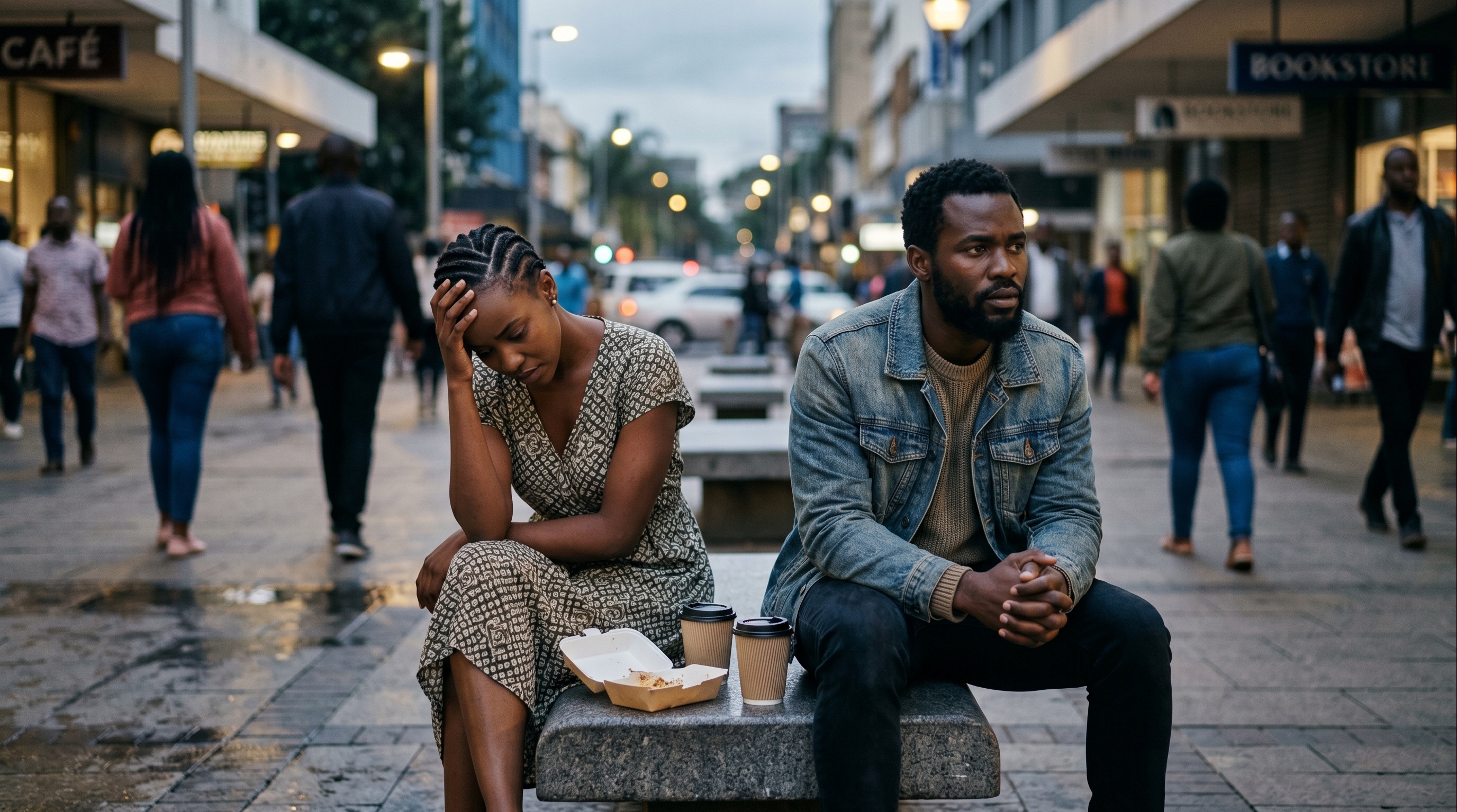
Akosua sat by the window of her favourite café in Osu, watching the rain trace lazy patterns down the glass, her phone buzzing with another notification from a dating app she'd downloaded three days ago and was already regretting. Across from her, Kwabena stirred his coffee slowly, the steam curling up between them like the unspoken thoughts neither of them wanted to say out loud just yet.

"Six months," he finally said, not looking up. "Six months of really good conversations, late-night calls, even meeting your cousin at that wedding. And every time I bring up where this is going, you change the subject."
Akosua's hands tightened around her cup. "It's not that I don't want this, Kwabena. I just... I've watched too many people rush in and end up broken. I'm scared of what happens after the 'yes'."
That fear Akosua voiced isn't unique to her, and it certainly isn't unique to Accra cafés on rainy afternoons. It's a quiet epidemic among young people everywhere, and it deserves to be unpacked honestly, without judgment, because pretending it doesn't exist helps nobody.
The Paradox Nobody Talks About Enough
Here's the thing that makes this whole situation so confusing: almost everyone wants to be loved, wants to belong to someone, wants that person who remembers how they take their tea and notices when they're having an off day. Yet the moment commitment knocks on the door, many young people freeze up like they've just seen a ghost. It's not hypocrisy, and it's definitely not because today's generation doesn't value relationships. It's because commitment has quietly become associated with loss—loss of freedom, loss of options, loss of the version of yourself that hasn't been hurt yet. Understanding this paradox is the first step toward not being controlled by it.
Where the Fear Actually Comes From
For many young singles, the fear of commitment isn't random; it's inherited.
Maybe you grew up watching adults around you stay in relationships that looked stable on the outside but felt hollow on the inside, and some part of you quietly promised never to end up like that. Maybe a previous relationship ended in a way that left you feeling foolish for trusting so completely, and now caution feels safer than vulnerability. Social media doesn't help either—scrolling through curated highlight reels of other people's relationships can make commitment feel like signing up for a performance you're not sure you can keep up.
Naming where the fear comes from doesn't excuse avoidance, but it does help you stop blaming yourself for feelings that actually make a lot of sense.
Wanting Love Isn't the Same as Being Ready for It
This is a distinction worth sitting with for a moment because wanting love is emotional. Being ready for commitment, though, is something different; it's practical, character, and about whether you're willing to show up consistently. A lot of young people confuse the intensity of attraction with readiness for partnership, and when reality sets in, they panic and pull back, mistaking normal relational friction for proof that something is wrong.
The Honest Truth About "Options"
One of the quieter reasons commitment feels scary is the modern obsession with keeping options open. But here's an honest perspective worth considering: chasing endless options often leaves people more lonely, not less. Commitment isn't about closing doors out of fear; it's about choosing to build something real instead of constantly auditioning for something hypothetical.
Why Good Values Still Matter, Even Now
There's a growing narrative that suggests old-fashioned values are outdated or unnecessary in modern relationships. But for many young people who were raised with strong moral grounding, these values aren't restrictions; they're actually protective.
Choosing not to entertain multiple people at once isn't about being "behind the times" but it's what builds the kind of trust that survives disagreements. If you were raised with these values, trust them, as they remain just as relevant, if not more so, in a world that often rewards confusion over clarity.
The Role of Communication
Everyone says "communicate," but few explain what that actually means in practice.
Real communication isn't just talking about your day; it's being honest about your fears, even when it's uncomfortable. It's also about communicating boundaries early — what you're comfortable with, what you're not ready for, and what you need to feel secure.
Recognising the Right Kind of Readiness
So, how do you know when you're ready for commitment, beyond just wanting love?
1 - You're less interested in being chased and more interested in being known.
2 - You find yourself wanting to show up for someone even on days when it's inconvenient.
3 - You're willing to have hard conversations instead of avoiding them.
4 - You no longer feel the need to keep "backup options" because you're looking for a partner.
None of this means you'll feel completely fearless, but it does mean the fear no longer controls your decisions.
The Pressure to Conform, and Why You Don't Have To
There's a louder culture today that subtly mocks commitment, loyalty, and traditional relationship values, painting them as restrictive or "uncool."
Young people raised with solid values can sometimes feel out of place in spaces where casual, non-committal relationships are normalised and even celebrated.
But here's an important reminder: you are allowed to want something different, and wanting depth, loyalty, and intentionality doesn't make you grounded.
Choosing not to follow trends that conflict with your values isn't about judging others; it's about staying true to who you are and what you genuinely want for your future.
Love and Commitment Aren't Enemies
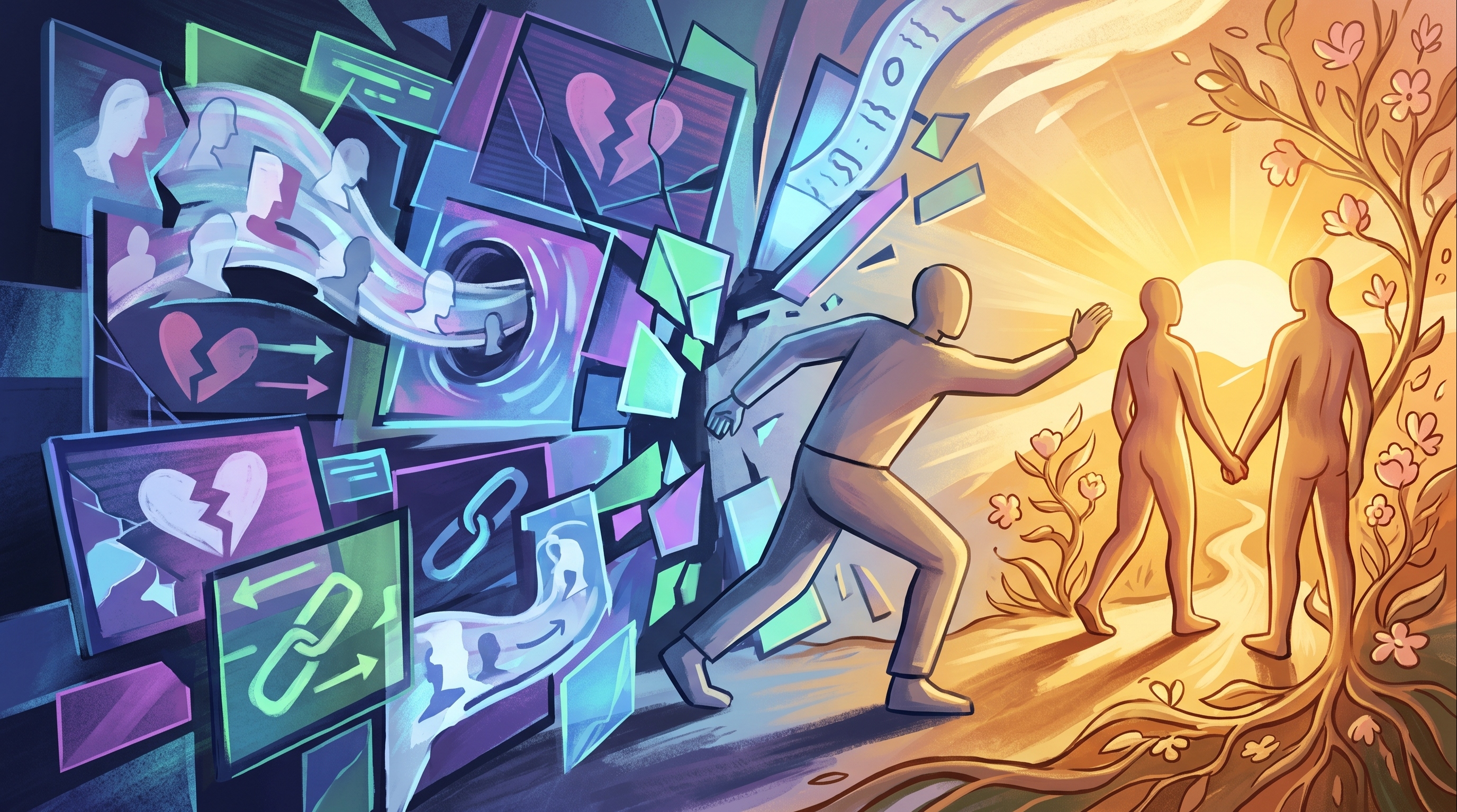
At the end of the day, wanting love and fearing commitment aren't contradictions, they're both signs that you care about getting this right.
The goal isn't to eliminate fear completely; it's to stop letting fear make decisions for you. If you've been raised with good values, hold onto them because they're not outdated, they're foundational.
You're simply human, navigating something that matters, and that alone deserves patience.


Comments (0)
Please sign in to join the conversation.
Loading comments...