

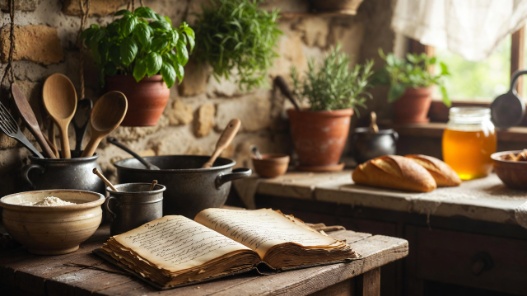
In many homes, the kitchen is more than a place where meals are prepared. It is where laughter echoes, stories unfold, and traditions quietly grow. Long before recipe books and cooking shows became popular, families relied on something far more powerful, memory.

Across generations, recipes have travelled from grandparents to parents and then to children. These treasured dishes often carry more than flavour. They hold stories, emotions, and identity.
When a grandmother teaches her grandchild how to season a pot of stew, she is not just sharing instructions. She is passing on a piece of family history.
Food as a Family Time Capsule
Every family has at least one meal that instantly brings everyone together. The smell alone can trigger powerful memories.
Perhaps it is the rich aroma of a Sunday soup, a festive dish cooked during celebrations, or a special dessert served only on birthdays.
These meals become emotional time capsules. They remind people of childhood kitchens, noisy family gatherings, and the warmth of home.
Years later, when someone cooks that same dish, it feels as though the past has quietly returned to the present. Recipes hold stories like these:
* The meal your grandmother cooked during the holidays
* The dish your parents prepared when guests visited
* The comfort food served during difficult moments
Through food, families remember who they are and where they came from.
Why Family Recipes Matter More Than We Realise
Many people assume recipes are simply lists of ingredients and cooking steps. But family recipes are far more meaningful than that.
They preserve culture. Every culture has foods that represent its heritage. When these dishes are passed down within families, traditions survive even when times change.
They create identity. Food often shapes how people see themselves. A family recipe may remind someone of their roots, community, and upbringing.
They strengthen relationships. Cooking together encourages conversation. While preparing meals, older family members often share stories about the past — stories that might otherwise be forgotten.
They build continuity. Children who learn family recipes grow up feeling connected to previous generations.
In a world that changes quickly, recipes become anchors that keep families grounded.
The Magic of Learning from Elders
There is something special about learning a recipe directly from an elder in the family.
Unlike written recipes, traditional family dishes are often taught through experience. You might hear instructions like:
* “Add just a little salt.”
* “Stir until it smells right.”
* “Cook it slowly until the colour changes.”
These directions may sound vague, but they carry wisdom built through years of practice.
Grandparents and parents often cook by instinct rather than by measurement. Watching them prepare a meal teaches patience, attention, and creativity.
More importantly, these moments create bonding experiences between generations. A child helping to chop vegetables or stir a pot may not realise it, but they are becoming part of a long tradition.
The Emotional Power of Cooking Together
Cooking together is one of the simplest ways families can bond. In the kitchen, conversations happen naturally. Children ask questions, parents share advice, and grandparents tell stories about the past. These moments may seem small, but they often become the memories people cherish most later in life.
Food prepared together also tastes different. Not necessarily because of the ingredients, but because of the emotions involved. Meals made with love carry a sense of comfort that no restaurant can fully recreate.
Passing Recipes to the Next Generation
For recipes to survive, younger generations must feel interested in learning them. One way to encourage this is by involving your children early. Let them taste ingredients, observe cooking techniques, and eventually prepare dishes themselves.
Another approach is adapting traditional recipes for modern tastes. While the core ingredients remain the same, slight adjustments can make dishes more appealing to younger cooks.
Technology can also help. You can record cooking sessions on video, create digital recipe collections, or share cooking tips through family chat groups.
In this way, tradition and modern life can work together rather than compete.
When Food Becomes a Legacy
For many people, the true value of family recipes only becomes clear later in life. After a loved one passes away, cooking their favourite meal can feel like bringing a piece of them back.
The smell of a familiar dish can instantly remind someone of their voice, their laughter, and the love they shared around the table.
This is the quiet power of food. It allows memories to live on through taste, smell, and tradition. A simple meal can become a legacy that survives for generations.
Protecting Culinary Heritage at Home
Families do not need professional chefs to preserve their food traditions. All it takes is intention.
Start by asking older relatives about their favourite recipes. Watch how they cook and take notes.
Encourage storytelling during meals. Ask questions like:
* Who taught you this recipe?
* When did you first start cooking it?
* Why is it special to our family?
These conversations turn ordinary meals into living history lessons. Over time, younger family members begin to appreciate the value of these traditions.
A Table That Connects Generations
When families gather around a table filled with traditional dishes, they are doing more than eating. They are honouring the past. They are strengthening relationships in the present. And they are quietly preparing traditions that will continue into the future.
The next time you cook a meal that has been in your family for years, remember that you are not just preparing food. You are continuing a story.
One day, someone else may stand in the same kitchen, using the same recipe, remembering the moment you taught them how to make it. That is how family traditions truly live on.
Final Thoughts
In a world dominated by convenience and speed, family recipes remind us to slow down. They encourage families to gather, share stories, and create meaningful memories together.
Passing down recipes is not just about preserving food traditions. It is about preserving love, culture, and identity.
Every dish carries a story waiting to be told again. Likewise, every kitchen has the potential to become a place where generations meet, learn, and remember.
Comments (0)
Please sign in to join the conversation.
Loading comments...