

Work, traffic, school runs, church or mosque duties, and extended family obligations fill every hour. Amid all this, it's easy to let the marriage slip down the priority list. However, a strong marriage is the foundation of a strong family.
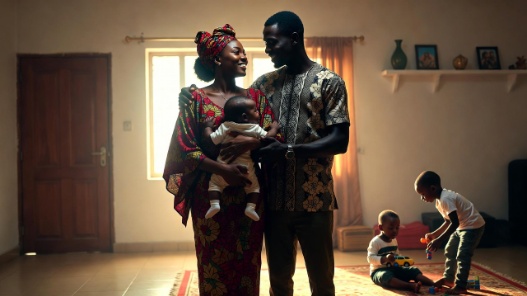
When mum and dad have a healthy, loving relationship, children thrive, homes feel secure, and even communities benefit. This isn't just a nice idea; it's backed by decades of studies from around the world, including insights that resonate deeply in a culture where family bonds are everything.
How do strong marriages create strong families? Let’s find out!
What Makes a Marriage "Strong"?
A strong marriage isn't perfect, as no couple argues zero times. It's about mutual respect, good communication, commitment through tough times, and showing love daily.
Low-conflict, supportive partnerships where both partners feel valued and heard create stability. In contrast, high-conflict or unstable relationships drain energy and create tension that spills over to children.
Research consistently shows that children raised by their two biological parents in a low-conflict marriage do better across many areas. This isn't about judging other family forms because single parents, step-families, or cohabiting couples can raise wonderful children too.
However, on average, the data points to clear advantages when marriage is stable and positive.
Benefits for Children
Children learn about love, trust, and relationships by watching their parents. When mum and dad treat each other kindly by sharing chores, laughing together or resolving disagreements calmly, kids feel safe. They see healthy conflict resolution and emotional support modelled every day.
Children in stable married homes often have:
Stronger emotional health: Fewer behaviour problems, less anxiety or depression.
Better school performance: Higher grades, better focus, and a higher likelihood of finishing education.
Improved social skills: They get along better with peers and show more empathy.
Long-term advantages: As adults, they're more likely to form healthy relationships, avoid early pregnancies, and enjoy stable jobs.
For example, studies show that kids in two-biological-parent married families tend to have better cognitive, social, and behavioural outcomes. These benefits last into adulthood, affecting mental health, employment, and even their own marriages later.
Children feel secure when parents are united. They model respect for elders, sharing, and teamwork from seeing it at home. A calm parental bond reduces stress and lets kids focus on play, studies, and growth.
Benefits for Parents
Strong marriages benefit the adults too. Married partners often report higher life satisfaction, better physical health, and longer lives. They support each other through challenges like illness, job loss, or parenting stresses, making burdens lighter.
Financially, two committed partners pool resources better. There is a shared income, better planning, and less poverty risk. In homes, where economic pressures are real, this teamwork helps with school fees, rent, or family support.
Emotionally, a loving spouse provides a buffer against daily stresses. A quick hug, encouraging word, or shared prayer time recharges both. When parents are happier and less stressed, they parent better, are more patient, and more present.
Over Time Effects
Strong families build stronger neighbourhoods. When marriages thrive, parents volunteer more, engage in schools, and support community events. Children grow into responsible adults who contribute positively.
Globally, research links stable marriages to lower crime rates, better civic involvement, and reduced social costs. In communities with more married-parent families, kids see positive role models everywhere, creating a cycle of stability.
In places with rich traditions of extended family and community, strong marriages strengthen the wider network. Grandparents, aunts, and uncles see unity and feel encouraged to support. It counters modern pressures like urban migration or economic strain that can weaken bonds.
Practical Ways to Build a Strong Marriage in a Busy Family Life
Building strength takes intention, especially with kids. Here are simple steps that work in homes:
1. Daily Connection. Spend 10-15 minutes phone-free talking or cuddling after your kids sleep. Share highs and lows.
2. Share the Load. Divide chores and parenting fairly. A dad who helps with baths or cooking shows partnership.
3. Show Appreciation. Say "thank you" often. Small notes or texts like, "Thanks for handling dinner, you're amazing."
4. Date Nights. Even at home, cook your favourite foods, watch a film, or walk in the estate. Use family or friends for childcare occasionally.
5. Communicate Kindly. Use "I feel" statements instead of blame. Repair after arguments with apologies and hugs.
6. Pray or Reflect Together. Many Nigerian couples find strength in joint prayer or faith discussions.
7. Seek Help if Needed. Counsellors, church groups, or books on marriage can guide.
8. Model for Kids. Let children see affection and teamwork. It teaches them what healthy love looks like.
Possible Challenges
Extended family involvement, polygamy in some areas, or cultural expectations can complicate things. However, monogamous, loving marriages are increasingly common, especially among educated urban couples. Economic stress or long work hours test bonds, but prioritising the marriage protects the family.
High-conflict homes hurt more than divorce sometimes. So, focus on low-conflict first. If separation happens, co-parenting well still helps kids.
In a nutshell, strong marriages build strong families because they create a secure, loving base where everyone flourishes. Children learn healthy relationships, parents gain support, and society gains stability.
In this age, investing in your marriage isn't selfish; it's one of the best ways to bless your children and home.
A kind word, shared laugh, or prayer together can bring rewards that last for generations.


Comments (0)
Please sign in to join the conversation.
Loading comments...