


Ndapewa met Tangeni at a wedding, the kind where every auntie is watching who dances with who. She remembers laughing so hard at something he said about the groom's shoes that she spilt her drink on his shirt, and instead of getting upset, he laughed harder.
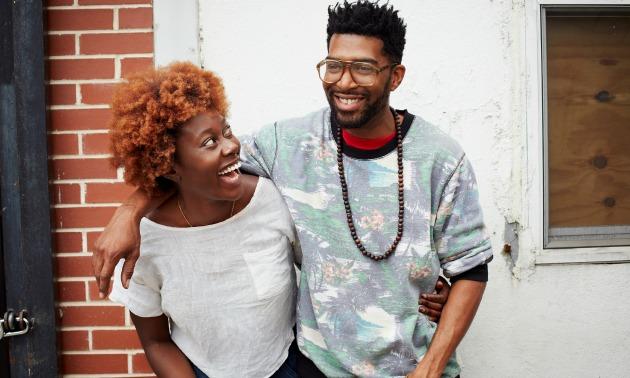
That was six years ago.
Somewhere between the wedding and the mortgage they now share, that laughter went quiet, and neither of them noticed until it was almost too late.
The butterflies fade, not because something is wrong, but because that is simply what butterflies do. What replaces them determines whether a relationship becomes a home or a habit.
The couples who last are not the ones who never lose the spark. They are the ones who keep being friends after the spark changes shape.
The Night Everything Almost Fell Apart
Three years into their relationship, they had a fight that neither of them likes to talk about. It was not really about the dishes left in the sink, though that is what started it. It was about the fact that they had stopped talking about anything that mattered. Tangeni came home from work and scrolled his phone.
Ndapewa came home from work and called her sister instead of him. They were polite roommates in a couple's costume, and that night the costume finally slipped.
"When did we stop being friends?" Ndapewa asked him, sitting on the kitchen floor because neither of them wanted to be the one to leave the room first. Tangeni did not have an answer.
When did we stop being friends? is one of the most important questions a couple can ask each other because passion can carry a relationship for a season, but friendship is what carries it through the seasons that follow.
Why Friendship Does the Heavy Lifting
Think about your closest friend, the one you have had since primary school or since your first job. You do not perform for them. You do not need them to be perfect, and they do not need you to be either. You laugh easily, you argue without it ending the friendship, and you feel safe telling them the embarrassing thing that happened at work.
That safety is not automatic in romantic relationships. It has to be built, deliberately, the same way it was built with your childhood friend, brick by brick, inside joke by inside joke.
Couples who keep this friendship alive tend to share a few things in common, and we have seen these patterns repeat themselves across very different homes and backgrounds:
- They still make each other laugh on purpose, not just by accident.
- They ask real questions about each other's day, not just "how was work?" answered with "fine."
- They remember small details, like a colleague's name or a childhood fear, and bring them up later.
- They can disagree about something serious and still make tea for each other afterwards.
- They protect time to simply exist together without an agenda, no errands, no screens, no performance.
- They celebrate each other's wins outside the relationship: a promotion, a finished course, a small personal victory.
- They are curious about who their partner is becoming, not just who they were when they met.
Real relationships are not lived in scenes. They are lived in Tuesday evenings and Sunday mornings, in tired conversations after long shifts, in the ordinary friction of two people building a life inside the same four walls.
If your relationship feels more like management than magic some days, that does not mean it is failing. It means it is normal.
Every long relationship goes through stretches that feel more like a business partnership than a love story, and the couples who survive those stretches are not the ones who panic and assume something is broken. They are the ones who remember they liked each other before they loved each other, and lean back into that.
For some couples, friendship looks like shared silence while cooking together in the kitchen. For others, it looks like debating football scores loudly in the sitting room while extended family listens in. There is no single template, and chasing someone else's version of closeness will only exhaust you.
What matters is that the friendship feels true to the two people living it.
What This Means for You, Right Now
If you are single and hoping for a relationship, chemistry matters, but ask yourself honestly whether you also enjoy this person's company in ordinary, unglamorous moments.
Can you sit in traffic together and still have something to talk about? Can you disagree about something small without either of you shutting down? These questions matter more than most people admit on a first date.
If you are already in a relationship and reading this with a knot in your stomach because it sounds familiar, take a breath. This is not a verdict on your relationship. It is an invitation.
Ask your partner tonight what they are proud of this week. Ask them what has been stressing them out. Ask them something you genuinely do not know the answer to. Friendship is rebuilt in small, repeated moments, not in one dramatic conversation.
Ndapewa and Tangeni are still together, still imperfect, still occasionally annoyed with each other over small things. But last month, at another wedding, this time as guests celebrating a cousin, Tangeni made a joke about the caterer's timing, and Ndapewa laughed so hard she had to hold his arm to steady herself.
Nothing dramatic happened that night. It was simply two friends who happened to be married, enjoying each other's company again.
That, more than anything, is the quiet, unglamorous, deeply human secret behind couples who last. They never stopped being friends, and when they drifted, they found their way back to it, on purpose, together.



Comments (0)
Please sign in to join the conversation.
Loading comments...