

There is a version of "us comes first" that quietly erases one partner's individual dreams in the name of unity, and we want to name that clearly, because it causes real harm even when it is well-intentioned.

That is not what healthy togetherness looks like. True partnership does not mean one person's ambitions automatically outrank the other's, nor does it mean both people must sacrifice equally every single time.
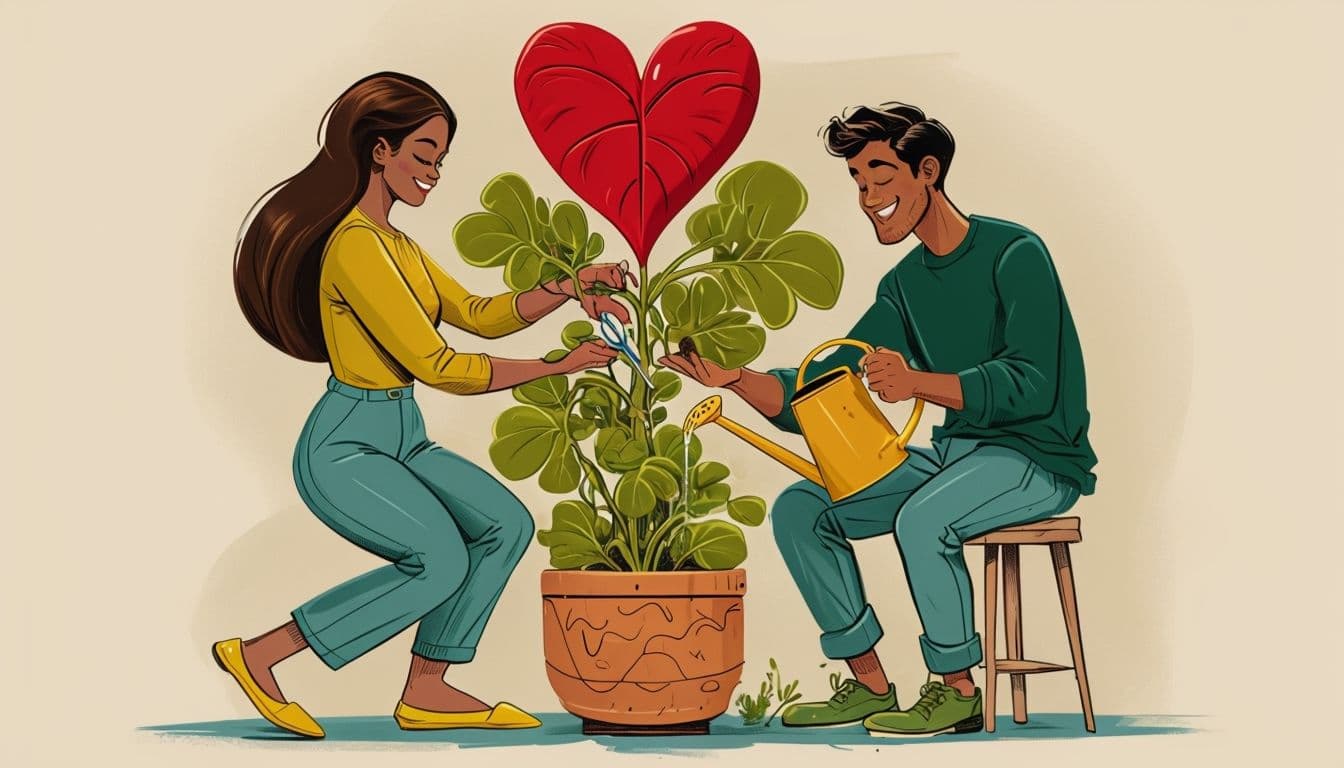
It means both individuals commit to solving problems as a team, with full honesty about their own needs, rather than quietly shrinking themselves or silently resenting the other for having needs at all.
Loide got the email on a Thursday afternoon while sitting in her small office, and she read it three times before she believed it. A logistics company wanted her: a real opportunity, better pay, the kind of role she had been quietly working toward for years.
Her first instinct was pure joy. Her second instinct, arriving almost immediately after, was fear, because she and Vaino had built an entire life together, his family nearby, his small workshop finally gaining steady customers after two difficult years.
She sat with that email for two full days before she found the courage to show him.
When she finally did, over dinner, sliding her phone across the table without saying much, Vaino read it slowly, then looked up and asked a question that surprised her. "What do you want to do?" he said, not "what should we do," not yet, just genuinely asking her own desire first, before anything else entered the conversation.
That distinction, small as it sounds, matters enormously.
They spent the following week having several long conversations, but a real, mixed, sometimes frustrating process that unfolded gradually.
One evening, Vaino admitted something that had been sitting heavily on him. "I'm scared that if I ask you to stay, I become the reason you gave up something important," he told her, sitting on the edge of their bed, voice quieter than usual.
Loide reached for his hand and answered honestly, "…and I'm scared that if I go, it means I chose myself over us."
Why Couples Struggle With This Balance
We see this tension constantly among couples building serious futures together, and it deserves direct, honest attention rather than vague reassurance.
Here are some of the real reasons this balance is so difficult to strike:
* Many people were raised believing love requires constant self-sacrifice, which can lead one partner to disappear slowly into the relationship without ever voicing their own ambitions.
* Others were raised valuing independence so strongly that compromise starts to feel like losing, rather than like teamwork, making "us" decisions feel threatening rather than natural.
* Financial pressure often forces couples to make major decisions quickly, without enough time for the honest, layered conversations that big choices actually deserve.
* Cultural and family expectations, particularly around who is expected to follow whose career or location, can quietly shape decisions before a couple has even discussed what they personally want.
* Unspoken resentment tends to build when one partner repeatedly sacrifices without ever being asked how it feels, even if the sacrifice was made willingly at the time.
* Couples rarely practice thinking as a team under low-stakes conditions, which means the skill is often untested until a genuinely difficult decision arrives all at once.
Making "Us" Practical
There are a few honest habits worth practising early, long before a major crossroads ever arrives.
Talk openly about individual dreams even when no decision is required, so that your partner already understands what matters to you before pressure forces the conversation.
Ask directly, during calm seasons, what your partner would need from you if a major opportunity or challenge ever pulled you in different directions.
Notice patterns of quiet sacrifice before they calcify into resentment, and check in regularly rather than assuming silence means contentment.
Pay attention to how a potential partner responds when your own ambitions come up. Do they get curious, or do they get quietly threatened? That reaction, more than almost anything else, often reveals how "us" will actually function once life gets complicated.
Know that there is rarely one perfect answer waiting to be discovered. There is only the ongoing, sometimes messy work of staying honest with each other while you figure it out together.
Loide ultimately took the job, but not in the way either of them had originally imagined. Vaino kept the workshop running for another year while visiting every second weekend, and Loide came home during quieter stretches, until his workshop grew steady enough to relocate a smaller branch to the capital 18 months later.
It was not a clean, cinematic solution. There were tense months, moments of loneliness, video calls that ended in tears neither of them fully explained, and at least one argument about whether the arrangement was even working.
But throughout it, they kept returning to a single shared question whenever things felt uncertain: "Are we solving this as a team, or are we just taking turns being disappointed alone?"
That question became their anchor, because it forced them to keep checking whether both of their needs were genuinely on the table, rather than one person quietly absorbing the cost while the other simply moved forward.
Real partnership is not the absence of sacrifice. It is the presence of mutual awareness about who is sacrificing, when, and why, so that the weight never permanently settles on just one person's shoulders.


Comments (0)
Please sign in to join the conversation.
Loading comments...