

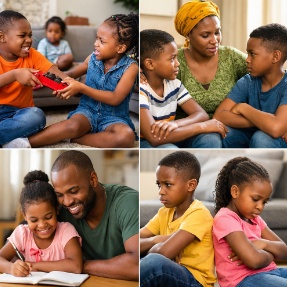
There is a moment many parents know too well. The house is quiet, then suddenly it is not. One child is shouting, another is crying, someone is claiming injustice, and within seconds you are standing in the middle of what feels like a courtroom drama.
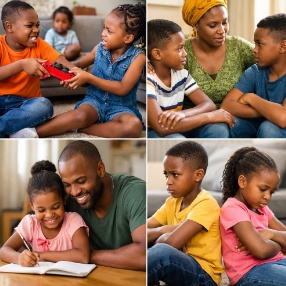
Sibling rivalry is one of the most common experiences in family life, yet it is also one of the most misunderstood. Many parents see it as a sign that something is wrong.
In reality, rivalry between siblings is often a normal part of growing up. The real issue is not whether siblings will clash. The real issue is how we guide them through it.
At its core, sibling rivalry is about competition. Competition for attention, love, space, validation, and sometimes even identity. Children are constantly trying to understand where they stand in the family.
When a new baby arrives, the older child may suddenly feel displaced.
When one child excels in school or sports, the other may feel invisible. Even small things like who gets the bigger piece of meat or who sits in front can feel deeply symbolic to a child.
Psychologists such as Alfred Adler emphasized birth order and how children strive for significance within the family structure. According to Adler, every child wants to feel important and valued. When they feel threatened or overlooked, rivalry can intensify.
In many Nigerian homes, where extended family influence and comparisons are common, rivalry can be worsened by statements like, “Why can’t you be like your sister?” or “Your brother never behaves this way.” These comments may seem harmless in the moment, but over time they plant seeds of resentment.
Behind every fight over a toy or remote control is usually a deeper emotional need.
One child may be thinking:
“Does mummy love her more?”
Another may be thinking:
“Why does daddy always praise him?”
Children rarely express these fears directly. Instead, they argue, compete, tease, or even bully each other. What looks like stubbornness may actually be insecurity.
When parents respond only with punishment, they may stop the fight temporarily but miss the emotional lesson. Handling sibling rivalry wisely means looking beyond the surface behavior.
The Role of Parents
Parents play a powerful role in either escalating or calming rivalry. The goal is not to eliminate all conflict. That is unrealistic. The goal is to teach children how to handle conflict respectfully and grow through it.
First, avoid comparison at all costs. Comparison breeds competition in unhealthy ways. Each child should feel valued for who they are, not measured against a sibling.
Second, create individual time. Even ten to fifteen minutes of focused attention with each child can make a big difference. When a child feels secure in your love, they are less likely to fight for it.
Third, teach emotional language. Instead of saying “Stop fighting,” guide them to express what they feel. For example, “I feel upset when you take my things without asking.” This builds communication skills that will serve them for life.
Fourth, stay neutral during conflicts. If parents consistently take one child’s side, resentment will grow. Listen to both sides. Sometimes the best solution is guiding them to resolve the issue themselves.
In many African families, older siblings are given authority over younger ones. While this can teach responsibility, it can also create tension if not balanced with fairness.
An older child who is constantly told to “be the mature one” may feel burdened. A younger child who is constantly protected may feel powerless. Wisdom lies in balance. Authority should not become oppression, and protection should not become favoritism.
Family meetings can be helpful. Sitting together to discuss rules, fairness, and expectations gives children a voice. When children feel heard, rivalry reduces.
Turning Rivalry into Growth
Not all rivalry is negative. Healthy competition can build resilience, ambition, and problem solving skills. Many adults who are successful today will tell you their sibling rivalry pushed them to work harder.
The difference between destructive rivalry and constructive rivalry is guidance.
Encourage teamwork. Give siblings shared goals such as completing a project together, cleaning their room together, or planning a small family event together. When children see each other as partners rather than opponents, relationships improve.
Celebrate cooperation loudly. Instead of only reacting when they fight, praise moments of kindness between them. “I saw how you helped your sister with her homework. That was thoughtful.” Positive reinforcement shapes behavior more effectively than constant correction.
There are moments when sibling conflict crosses the line into bullying or emotional harm. Persistent aggression, humiliation, or physical violence should not be ignored.
In such cases, deeper conversations are necessary. Sometimes professional counseling may even be helpful. Protecting the emotional safety of each child is essential.
Do not dismiss serious hurt with “That is how siblings behave.” There is a difference between normal disagreement and harmful behavior.
Long Term Impact
The way rivalry is handled in childhood often shapes adult relationships. Siblings who grow up constantly competing without guidance may carry bitterness into adulthood. On the other hand, siblings who learn respect and conflict resolution often become lifelong allies.
Parents are not just managing daily fights. They are shaping future relationships.
Imagine raising children who, years from now, genuinely support one another. Who celebrate each other’s success instead of envying it. Who can sit at the same table during holidays without unresolved tension. That future is influenced by how rivalry is handled today.
Parenting is exhausting. When children fight repeatedly, patience runs thin. It is easy to shout, threaten, or withdraw. But wisdom calls for calm leadership.
Handling sibling rivalry wisely requires empathy, fairness, and consistency. It requires seeing each child as an individual with unique fears and strengths.
Conflict in the home does not mean failure. It means children are learning how to relate. With proper guidance, rivalry can become one of the greatest training grounds for emotional intelligence, resilience, and lifelong connection.
And one day, when they are older and laughing together over childhood memories, you may realize that those noisy moments were not signs of chaos, but opportunities for growth.


Comments (0)
Please sign in to join the conversation.
Loading comments...