


Early in his marriage, influenced by stories from elders and community expectations around what made a man successful, Chinedu had focused intensely on providing materially while assuming emotional needs would follow naturally. Adaora had expressed quiet longings for deeper connection during quiet drives back from church on Sundays, yet he often dismissed them as part of life’s busyness in their setting.
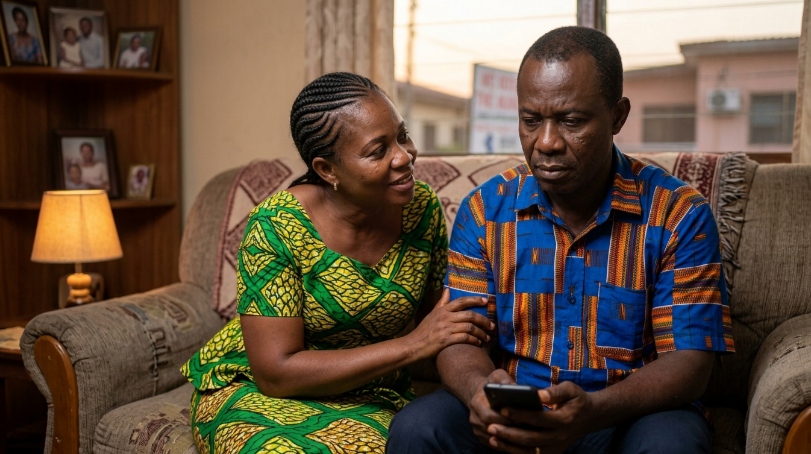
But when Chinedu faced that stoic truth in his own heart, he chose to unlearn old patterns, opening honest pathways that strengthened their commitment. That shift became a quiet revolution, guiding him toward the loyal, present partnership he now nurtured with renewed intention.
When Men Ignore These Red Flags, and Pay Dearly for It
As married husbands sharing these truths with one another and those considering marriage, we must confront how certain cultural ideologies, passed down through generations in our communities, can quietly corrode even the most well-intentioned homes. When emotional presence, genuine listening, and shared vulnerability take second place, partners can feel profoundly unseen, creating openings for disconnection that no amount of material care fully bridges.
Ideologies framing men primarily as heads who dictate without collaborative dialogue fostered an environment where our partners sometimes withdrew into their own world of friends and church activities. Men do so much to keep the home comfortable but overlook the daily warmth of asking about your partner's dreams or acknowledging her fatigue after balancing work and home. Over time, these gaps, rooted in notions that emotional matters are secondary or “women’s concerns,” erode the sense of teamwork essential for lasting loyalty. Recognize that your partner’s fulfillment often hinges on feeling like a true companion, not just a beneficiary of provision; addressing this prevents the slow drift that leaves both sides yearning.
A core cultural ideology many of us absorbed is that a man’s primary duty ends at providing resources, with everything else flowing automatically. Conversations stay superficial, missing chances for deeper exchange about aspirations or challenges at her teaching job.
This mindset ignores how modern pressures demand more balanced partnership. Men learned that true provision includes emotional investment: being present during her moments of doubt, celebrating small wins together, and sharing the mental load of planning for their children’s future. Learning this brings relief, as it transforms marriage from a checklist of duties into a living connection where both feel valued. Consider how shifting even small habits, like regular undivided attention during meals, rebuilds the intimacy that sustains commitment through life’s seasons.
Another ideology that corrodes partnerships is the idea that men should embody unbreakable self-sufficiency, rarely showing vulnerability or seeking support.
This creates imbalance, where partners sense an emotional wall, leading to loneliness despite physical proximity, leaving women to carry unspoken burdens. Vulnerability strengthens rather than weakens leadership in the home.
For those of us married, this unlearning fosters loyalty by making the relationship a safe harbor for both, reducing the risk of external emotional outlets.
Cultural narratives around sole male authority often discourage true joint decision-making, treating input from wives as optional rather than essential. In the graphic flow of the daily life, men see how this diminished their partner's sense of agency, even as we worked hard to secure their comforts.
Learning this means actively inviting perspectives, valuing her insights from her experiences in education and community work. This shift not only honors her fully but builds resilience, as shared ownership makes navigating economic realities or family obligations more manageable and satisfying. Married men, embracing this creates environments where commitment feels mutual and rewarding, countering any pull toward disconnection by reinforcing “we” over “I decide.”
Many husbands overlook how ideologies separating “men’s work” from relational nurturing lead to inconsistent attunement. Practical wisdom lies in cultivating daily presence: noticing moods, offering encouragement during her professional hurdles, and expressing appreciation beyond material gestures. Rebuild the emotional safety that nurtures loyalty, show your partner they are cherished in full, not just supported logistically.
See marriage as a journey of continuous growth together. For married husbands, this means examining inherited beliefs against the realities of partnership today, where economic and social landscapes require adaptability.
The social impact is profound: stronger homes contribute to thriving communities, modeling for younger generations what loyal, emotionally intelligent unions look like.
Your efforts to provide happily gain depth when paired with presence, dialogue, and equity, ensuring the love you invest returns in enduring companionship.


Comments (0)
Please sign in to join the conversation.
Loading comments...