


You stayed in. You cancelled plans. You spent the whole weekend on the sofa, slept in both mornings, and did absolutely nothing demanding. Yet, come Monday morning, you feel as though you haven't rested at all. Sound familiar? You are not imagining it, and you are certainly not alone.
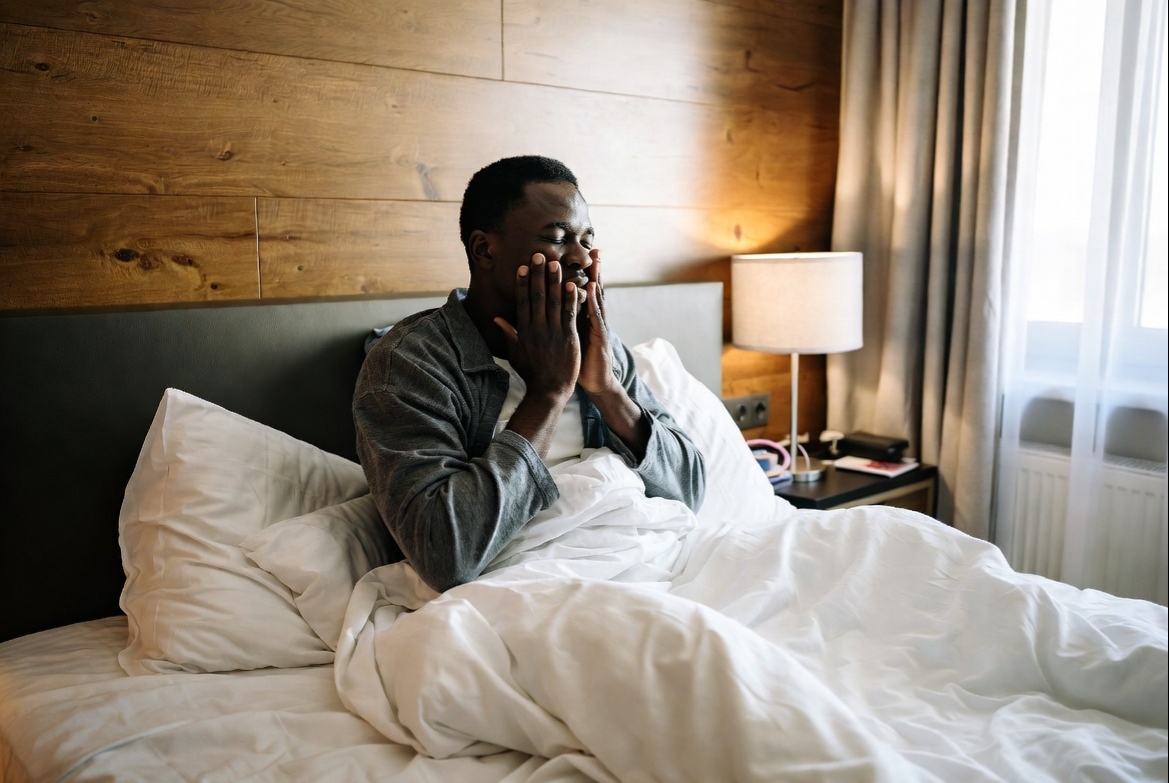
This is one of the most quietly frustrating experiences a person can have: feeling tired despite resting. It makes you question yourself. You wonder if something is wrong with you. However, the truth is that tiredness is far more complicated than simply not getting enough sleep. Rest and recovery are not the same thing, and understanding the difference might just change everything.
Your Body Can Rest Whilst Your Mind Keeps Running
One of the biggest reasons people feel exhausted after time at home is that the body may be still, whilst the mind is anything but. We live in an age of relentless mental stimulation via scrolling through social media, watching back-to-back television, reading the news, or answering messages. None of these activities is physically demanding, but they cost the brain enormous energy.
Why Your Child Suddenly Hates Everything They Loved And Loves Everything They Hated
The human brain consumes roughly 20% of your body's total energy, despite making up only about 2% of your body weight. When it is constantly processing information, even passively, it does not get the chance to truly switch off. So whilst you are lying on the sofa thinking you are resting, your nervous system is still ticking away at full speed. That is not recovery. It's just a different kind of exhaustion.
Poor Sleep Quality Is Not the Same as Not Sleeping Enough
Many people assume that if they slept eight hours, they slept well. But the quality of your sleep matters every bit as much as the quantity. You could spend ten hours in bed and still wake up feeling dreadful if your body never reaches the deeper, restorative stages of sleep known as slow-wave sleep and REM sleep.
Things that silently disrupt sleep quality include alcohol consumed in the evening, a room that is too warm, blue light from screens before bed, an inconsistent sleep schedule, or underlying conditions like sleep apnea, where breathing repeatedly stops and starts during the night, often without the person ever knowing. If you are waking up frequently, snoring loudly, or feeling groggy despite a full night's sleep, it is worth speaking to your doctor about a sleep study.
Stress and Anxiety Are Physically Exhausting
Here is something that surprises a lot of people: worry is tiring. Not just emotionally but physically. When you are stressed or anxious, your body releases cortisol, a hormone designed to keep you alert and ready to respond to danger. In short bursts, cortisol is helpful. However, when it stays elevated over days, weeks, or months, as it often does in modern life, it wears the body down from the inside.
You might not even feel particularly stressed in the traditional sense. Many people carry tension so habitually that it no longer registers as stress. They are simply always slightly on edge, slightly braced for something to go wrong. That background hum of anxiety burns through energy constantly, leaving nothing left over by the time the day ends.
You Might Be Emotionally Depleted, Not Just Physically Tired
Emotional exhaustion is real, and it is different from physical fatigue. If you have been dealing with difficult relationships, a demanding job, grief, loneliness, or prolonged uncertainty, the tiredness you feel goes deeper than muscle soreness or sleep debt. It is a weariness of the soul, for want of a better phrase.
No amount of lying down fixes this kind. What it needs is genuine emotional processing liketalking to someone you trust, spending time doing things that bring you joy, or even professional support if things have become unmanageable. Rest without meaning does not restore the emotional self.
What You Eat and When Affects Your Energy More Than You Think
Food is fuel, and many people are running on the wrong kind. A diet high in refined carbohydrates and sugar might give you a quick burst of energy, but it is always followed by a slump. If your meals are irregular, skipped, or heavily processed, your blood sugar is constantly spiking and crashing, and each crash leaves you feeling heavy, foggy, and inexplicably tired.
Dehydration is another quiet culprit. Even mild dehydration, far below the point where you would feel thirsty, has been shown to impair concentration, mood, and physical performance. Many people go through entire days barely drinking water, and then wonder why they cannot think straight.
When Tiredness Is a Symptom, Not Just a Feeling
Persistent fatigue that does not improve with rest can sometimes be a sign that something medical is going on beneath the surface. Anaemia, an underactive thyroid, vitamin D deficiency, vitamin B12 deficiency, diabetes, and depression are all conditions that list fatigue as a primary symptom and all of them are commonly missed or dismissed for years.
If you have been tired for more than a few weeks with no obvious cause, please do not simply push through it or assume it is laziness. A straightforward blood test from your doctor can rule out many of the most common culprits, and knowing what you are dealing with is always better than guessing.
Real Rest Looks Different for Everyone
Perhaps the most important reframe is this. Rest is not just the absence of activity. Genuine rest is whatever allows your particular nervous system to recover. For some people, that is a walk in the fresh air. For others, it is creative work, cooking, gardening, or a quiet conversation with a good friend. Passive consumption like scrolling, streaming, lying about can actually increase fatigue for many people, because it provides stimulation without satisfaction.
So, the next time you feel tired after a day at home, ask yourself honestly, "Did I actually rest, or did I just stop doing the thing I was supposed to be doing?" There is a meaningful difference between the two.
True recovery requires intentionality. It asks you to pay attention to what actually refills you, not just what is easiest in the moment. Sometimes, it asks you to seek help, whether from a doctor, a therapist, or simply a friend who will listen without judgement.
You deserve to feel well, not eventually, but now.


Comments (0)
Please sign in to join the conversation.
Loading comments...