

You’re planning the wedding — aso ebi colours picked, caterer booked, even the gele style decided. Then someone drops the bomb: “Babe, where are we going to live after the wedding?” Suddenly the love is still there, but now you’re staring at rent prices, traffic, or that “perfect” flat that floods every July. House hunting as an engaged couple is not just about finding four walls.

It’s the first real test of your marriage — money talk, compromise, family interference, and those small dreams you both carry. Many couples rush this part and pay for it later: fights over who pays what, in-laws dictating location, or discovering the landlord is a nightmare. But it doesn’t have to be chaotic.
10 Perfect Plans To Keep Business Travel From Killing Your Marriage
Here are 10 practical, no-fluff tips grounded in real Nigerian couple experiences — the kind that actually work when light is off and school fees are due.
1. Start the conversation months before the wedding
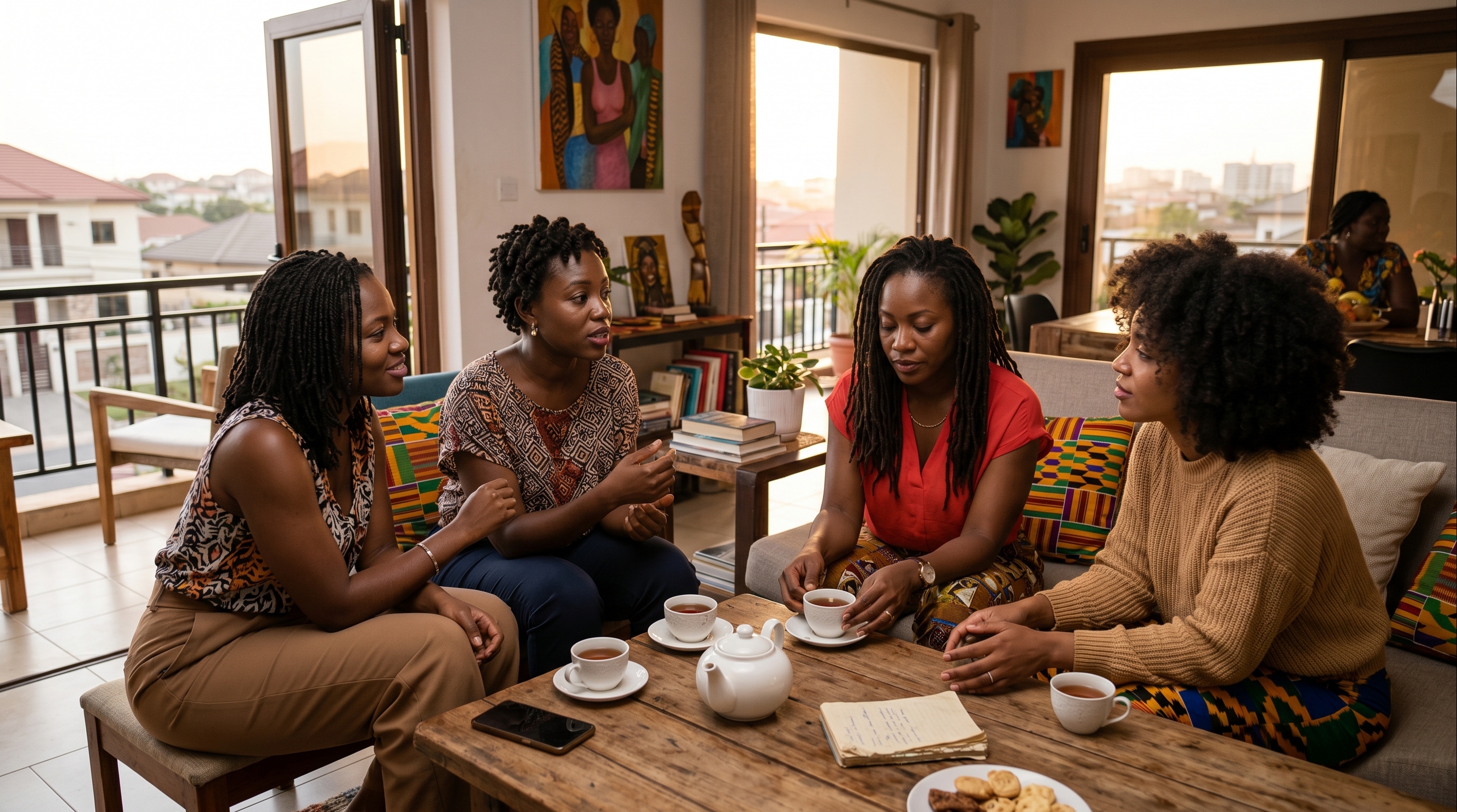
Don’t wait till two weeks to go. Begin the moment you fix a wedding date. Sit with cold malt and pure water and ask: “What does our first home need to feel like home?” Early talk removes panic and lets you hunt with clear eyes.
2. Be brutally honest about your combined budget
Write down every kobo — salary, side hustle, savings, even the expected wedding gifts. Factor in agency fees, caution, painting, and that first-month “settling” money. If your total rent budget is ₦800k a year, don’t look at ₦1.2m places. Pride has no place here. Many young husbands feel pressure to “provide big,” but smart couples split the load and sleep better.
3. Agree on non-negotiables before you view any house
Make a short list together: must have good water, safe for night returns, close to both workplaces or at least one, space for future children or visitors. Non-negotiables stop endless arguments.
4. Choose location with both families and futures in mind
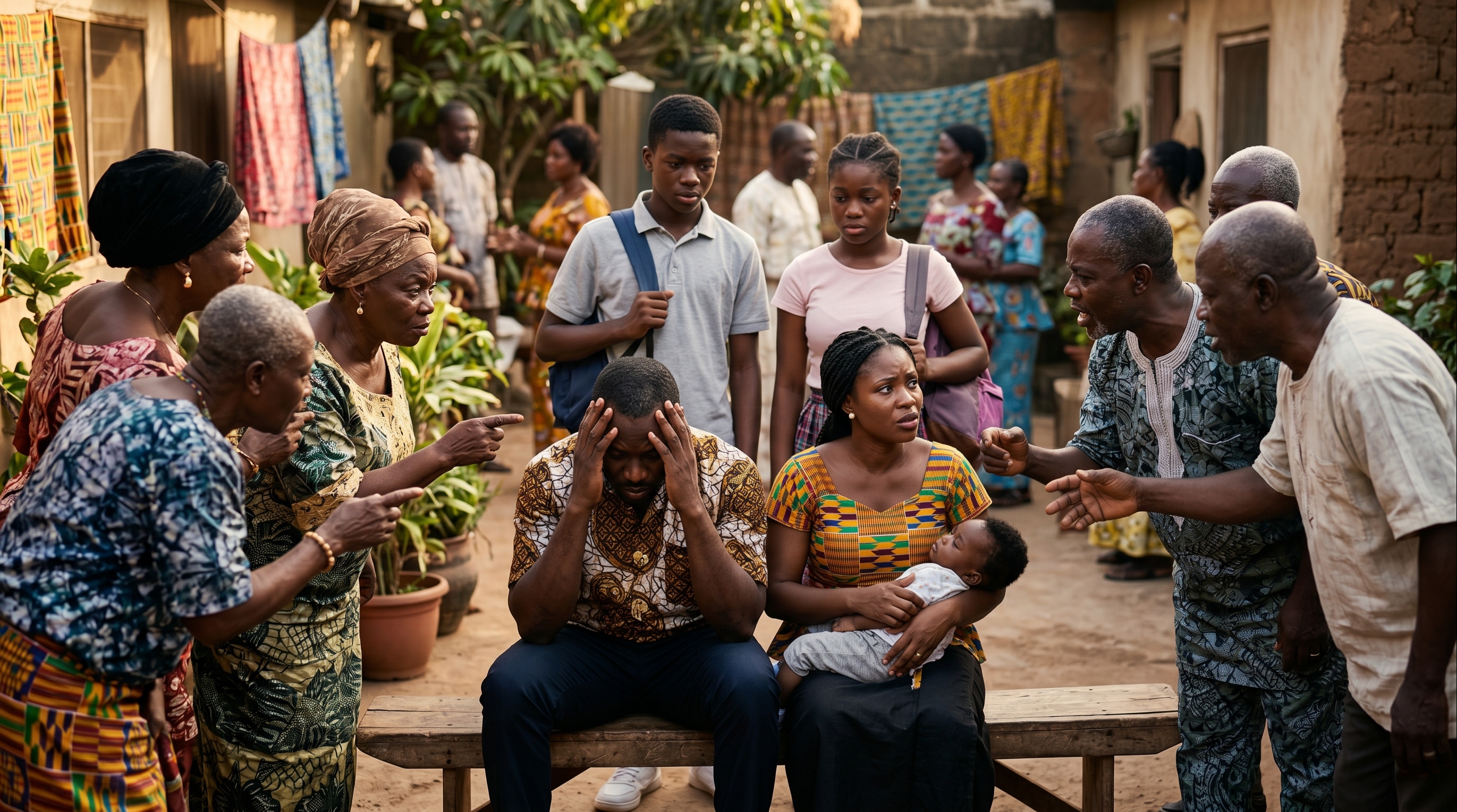
Yes, your mother wants you in the village. His people want you in the family compound. But think school runs, traffic to work, and church on Sunday. Practical move: draw a 30-minute radius on Google Maps from both offices and your preferred church. Many couples now pick areas like upscale areas because it balances everything without killing one partner’s commute. Family will adjust when they see you’re happy and stable.
5. Inspect properties together — never alone
Go as a team because one person might notice the leaking roof; the other spots the broken gate. Visit at different times: morning rush hour, evening, and even on a rainy day if possible. Joint visits build teamwork and catch things love goggles miss.
6. Ask the tough questions about the landlord and neighbours
Who is the landlord? Is he the type that increases rent every year? Any history of generator fights or “area boys” issues? Talk to the current tenant if you can. A good landlord can make marriage sweet; a bad one can turn it sour.
7. Factor in future family growth from day one
That cute one-bedroom might feel romantic now, but what happens when baby number one arrives and your mother comes to “help” for three months? Think two steps ahead. A small extra room or a convertible space saves money later. Plan for the children you both pray for without pretending you’ll live like singles forever.
8. Negotiate rent and terms as a united front
Never go in separately but present yourselves as a team. Ask for a year’s rent in instalments if possible, or request the agent to reduce the agency fee. Bring small gifts for the landlord — it still works in many places. Many couples save tens of thousands this way. Teamwork at the negotiation table sets the tone for money decisions in marriage.
9. Check security, power, and water realities
Don’t fall for “24-hour light” promises. Ask to see the generator, test the borehole, and confirm if vigilantes or estate security actually patrol at night. A practical tip: request a one-week trial stay (some landlords allow it before final payment).
10. Have a Plan B and sign nothing until you both sleep on it
Have a backup option because wedding pressure makes people rush signatures. Sleep on the decision for at least 48 hours. Discuss with a trusted married mentor or pastor if something feels off.
House hunting before wedding is stressful, but it’s also beautiful. It forces you to dream together, compromise, and build trust before the ring even enters the picture. Marriages that start with this kind of honest planning usually weather the storms better — because you already learned how to choose each other when it wasn’t easy.