


The argument started over something small — rice that got burnt again, but suddenly your spouse is shaking, eyes far away, voice cracking like they’re back in that abusive home in the village twenty years ago, then you freeze. This isn’t the first time. The past keeps showing up uninvited, turning small things into landmines.
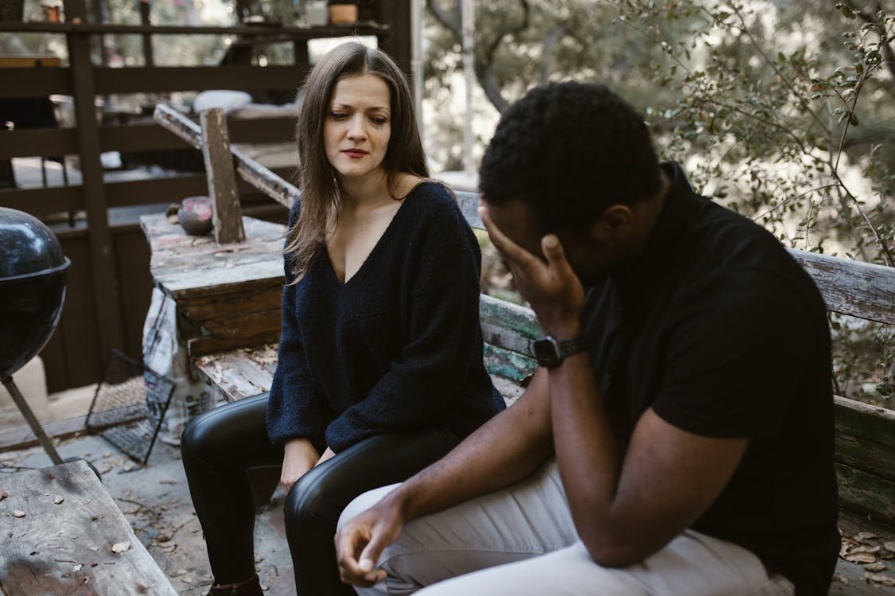
We don’t talk about trauma much. We call it “village people,” “spiritual attack,” or “just pray about it.” But childhood abuse, domestic violence, rape, sudden loss of parents, or even the scars from cultism and campus life in the 90s and 2000s — these things sit quietly in many marriages. When your partner carries that weight, you’re not just husband or wife anymore. You become safe place, trigger detector, and gentle guide all at once. It’s heavy, it’s lonely and it’s okay to feel overwhelmed.
9 Things To Do When Your Spouse Is Diagnosed with a Chronic Illness
Here are 12 practical things that actually help — not the perfect Instagram version, but the real one that works when light goes off, school fees are due, and you still have to show up for the children.
1. Learn what trauma really looks like in everyday life
Trauma isn’t dramatic movie flashbacks every day. It shows up as sudden silence, explosive anger, or freezing when in-laws visit. Don’t diagnose your spouse — just understand. Read simple articles or listen to a pastor who understands mental health.
When a husband realises his wife’s panic attacks during arguments came from childhood beatings, everything will change, he will stop saying “just calm down” and start saying “I’m here.” Knowledge turns fear into patience.
2. Create safety before trying to fix anything
Your spouse doesn’t need a hero; they need a safe landing. Stop the “why are you like this?” questions. Instead, sit beside them and say, “Take your time. I’m not going anywhere.”
Relationship counsellors say many couples rush to solutions and make things worse. Safety first. No judgment. No fixing in the moment. Just presence.
3. Learn their triggers and make a simple plan together
Triggers can be money talk, certain smells, loud voices, or even the way someone knocks. Sit down on a calm day and list them honestly. Then agree on one small signal — maybe she squeezes your hand twice.
4. Encourage professional help without pressure
Therapy still carries stigma in many familiesn so frame it gently: “This is for both of us, not because something is wrong with you.” Look for affordable options — many churches now have trained counsellors, or teaching hospitals with sliding-scale fees.
Don’t drag them but plant the seed and water it with your own willingness to go too. Real healing often needs more than prayer and love alone.
5. Listen to understand, not to reply
When they open up about the past, resist the urge to say “it happened long ago” or “move on.” Just listen, repeat back what you heard: “So that uncle’s house still makes you feel small?”
Men especially struggle here — we want to solve. But listening is the solution. It tells your spouse their pain is valid in this marriage.
6. Protect your own peace so you don’t burn out
You can’t pour from an empty cup. Many spouses start developing anxiety or resentment. See your own pastor or counsellor. Take walks around the estate. Call your friend for pure gist, not only problems.
7. Help them rebuild trust in small, consistent ways
Trauma steals trust. Show up when you say you will. Keep small promises. Celebrate when they try something new, even if it’s just going to the market without panic. These tiny wins rebuild the nervous system, survive on consistency, not grand gestures.
8. Involve faith in a healthy, not harmful, way
For many of us, prayer is first. Pray together, but don’t use scripture to shame (“just have faith and it will vanish”). Combine faith with action. Many pastors now recommend both prayer and counselling — that balance works.
9. Set boundaries with extended family
Aunty will say “she’s just forming.” Uncle will advise “beat sense into him.” Love your family, but protect your spouse. Have one calm conversation: “This is our marriage. We’re handling it our way.” Extended family pressure makes trauma worse. Your home must be the safest place.
10. Support daily routines when trauma makes life hard
Some days getting out of bed feels impossible. Step in without resentment — handle school runs, cook simple meals, or just sit with them. But don’t do everything forever; that creates new problems.
11. Keep the marriage alive beyond the trauma
Don’t let the past become the only story. Plan cheap dates — pure water and groundnut at the roadside, watching Nollywood with the generator on. Laugh again. Dream small dreams together.
Intimacy might feel different for a while. Be patient and gentle with each other’s bodies and hearts.
12. Know when to get couples help and celebrate progress
Some wounds need both of you in the room. Find a marriage counsellor who understands Nigerian realities — money stress, in-law drama, faith. And when things get even a little better, celebrate. Say it out loud: “We’re doing better than last year.”
You’re not failing if some days are still hard. Trauma recovery is not a straight line — it has good months and bad months. But couples who walk this road often say the same thing: the pain brought them closer than easy times ever could.