

Chinedu and Ifeoma built what looked like a solid life after they met at a youth fellowship in 2016. Their courtship was sweet: weekend visits to her parents in Ikorodu, shared plates of amala at quiet bukas, and nights talking about raising God-fearing children. They married in 2019 amid joyful spraying and prayers for fruitfulness. By 2022, their son Kamsi arrived, and life felt full.

Then came the discovery in early 2024. Chinedu found messages on Ifeoma’s phone from a colleague, the late-night chats that turned intimate, secret meetings during her “overtime” at work. The betrayal hit like a trailer on the expressway, though Ifeoma confessed through tears: the long hours, feeling unseen amid motherhood and financial pressure, and poor choices that spiraled. Chinedu was shattered, starting with rage, numbness, to deep ache mixed together. Nights once shared in quiet closeness became cold. Intimacy? It seemed dead.
For months, the house carried heavy silence broken only by Kamsi’s laughter. Chinedu wrestled with whether to stay or walk away, whereas the cultural expectations weighed heavy, family whispers about “a woman’s place” added pressure, yet his heart still held love beneath the pain. Ifeoma took full responsibility, sought help, and begged for another chance. One rainy Sunday evening after church, as Kamsi napped, Chinedu looked at her and said, “I want to try rebuilding, but not blindly. We need to pass real tests first — examinations that prove we can handle the vulnerability of intimacy again.”
That conversation became their roadmap, and over the next year, they faced 14 tough but necessary marriage examinations. Their story is raw and honest.
Examination 1: Full ownership of the betrayal without excuses
Ifeoma stopped the “but you were distant” defense and owned her choices completely. Chinedu saw genuine remorse, not minimization. Real healing starts when the one who betrayed takes 100% responsibility for the act. In many homes, blame-shifting kills any chance of trust. Passing this means the betrayed partner feels the wound is seen, not defended.
Examination 2: Complete transparency and access to rebuild trust
Ifeoma handed over passwords, shared locations when needed, and answered every painful question without hiding. Chinedu committed not to weaponize the information. Transparency isn’t punishment, instead it’s the scaffold for new safety. Without it, the betrayed mind stays in detective mode, making intimacy feel unsafe.
Examination 3: Consistent emotional attunement to the pain caused
Your triggers, flashbacks, sudden anger, need space. It's best she learns to sit with your hurt without getting defensive or rushing to “move on.” As the betrayed partner’, your pain must come first and be witnessed, not managed. This examination proves the unfaithful partner can prioritize healing over comfort.
Examination 4: Individual work on personal issues that contributed
Ifeoma sought counseling for her unmet needs and patterns; Chinedu examined his own emotional availability during stressful seasons. Both did solo growth but marriage isn’t fixed by one person alone. Passing this means each owns their part in the “old marriage” without using it to excuse the betrayal.
Examination 5: Ability to repair small conflicts quickly and kindly
you both should practice fixing everyday arguments about money or chores without old patterns resurfacing. If trust breaks over big things, small repairs prove the relationship can handle friction without exploding. This builds confidence that future hurts won’t destroy everything again.
Examination 6: Rebuilding non-sexual affection safely
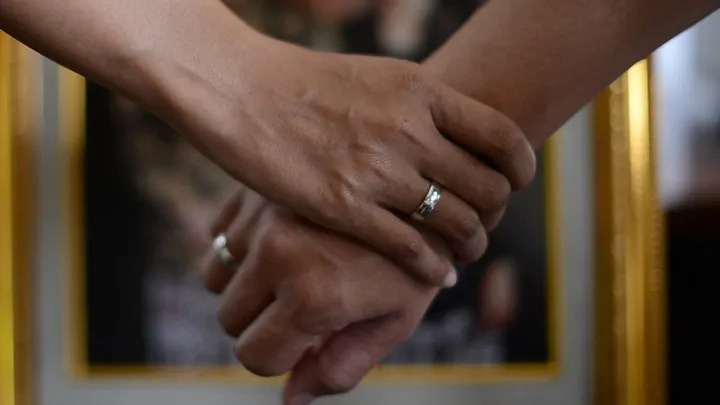
Start with simple touches, like holding hands during evening prayers, shoulder rubs while watching news, only when both felt ready. No pressure for more because emotional safety must return first. Non-sexual closeness retrains the nervous system that connection doesn’t equal danger.
Examination 7: Honest discussions about what the betrayal means for the future
They talked openly: How would they handle work friendships? What boundaries around opposite-sex colleagues? What does fidelity look like in their reality with long hours? Clear agreements prevent repeated landmines. Passing means both feel protected moving forward.
Examination 8: Willingness to seek and use professional help together
Attend couples counseling through church and a trained therapist experienced in betrayal trauma. No shame in needing tools, choosing help shows commitment. A good counselor guides without taking sides.
Examination 9: Managing triggers and intrusive thoughts with grace
Just like Chinedu having moments when images haunted him during quiet times, you both can agree on ways to pause, name what was happening, and reconnect gently. The betrayed partner isn’t “overreacting”; healing takes time. Passing this examination means the couple faces flashbacks as a team, not enemies.
Examination 10: Re-establishing friendship and fun outside the bedroom
They scheduled phone-free dates, just simple drives or cooking together where betrayal talk was off-limits. Laughter and dreaming together remind you why the marriage is worth saving. All healing and no joy stalls progress. Fun rebuilds the “us” that existed before the crack.
Examination 11: Clear boundaries and consequences if old patterns return
Define what zero tolerance look like, ranging from open devices, honest check-ins and what would happen if broken. Boundaries aren’t threats; they’re love with teeth, giving the betrayed partner a sense of control and safety.
Examination 12: Genuine forgiveness that releases but doesn’t erase memory
Ifeoma asked for forgiveness; Chinedu worked toward granting it, not as a one-time event but a process. Forgiveness doesn’t mean forgetting or instant trust; It means choosing not to punish daily. Both must pass this: one by earning it through actions, the other by extending it when ready.
Examination 13: Shared vision for a new marriage, not just repairing the old
They discussed what their “marriage 2.0” would look like, covering deeper emotional connection, better communication about needs, stronger spiritual life. Intimacy after betrayal often becomes richer when couples build something stronger, as this examination confirms both want the same future.
Examination 14: Readiness for gradual, pressure-free physical reconnection
Only after the other examinations showed progress did they slowly reintroduce closeness, starting with cuddling, then more, always checking in. You might set the pace, but remember rushing kills safety, ecause true readiness shows in relaxed bodies and willing hearts.