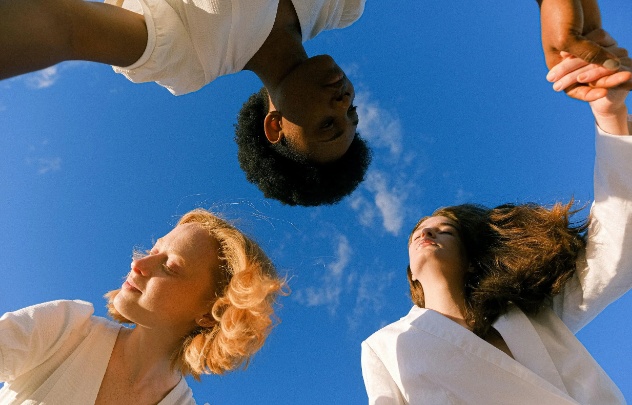

There are people living among us who carry a condition so misunderstood that in some parts of the world, it has cost them their lives. In other parts, it has cost them their jobs, their friendships, their sense of self. Yet, if you sat next to one of them on a bus or shared a meal with them, you might not even notice anything unusual until the sunlight caught their hair, or you looked closely at their eyes.
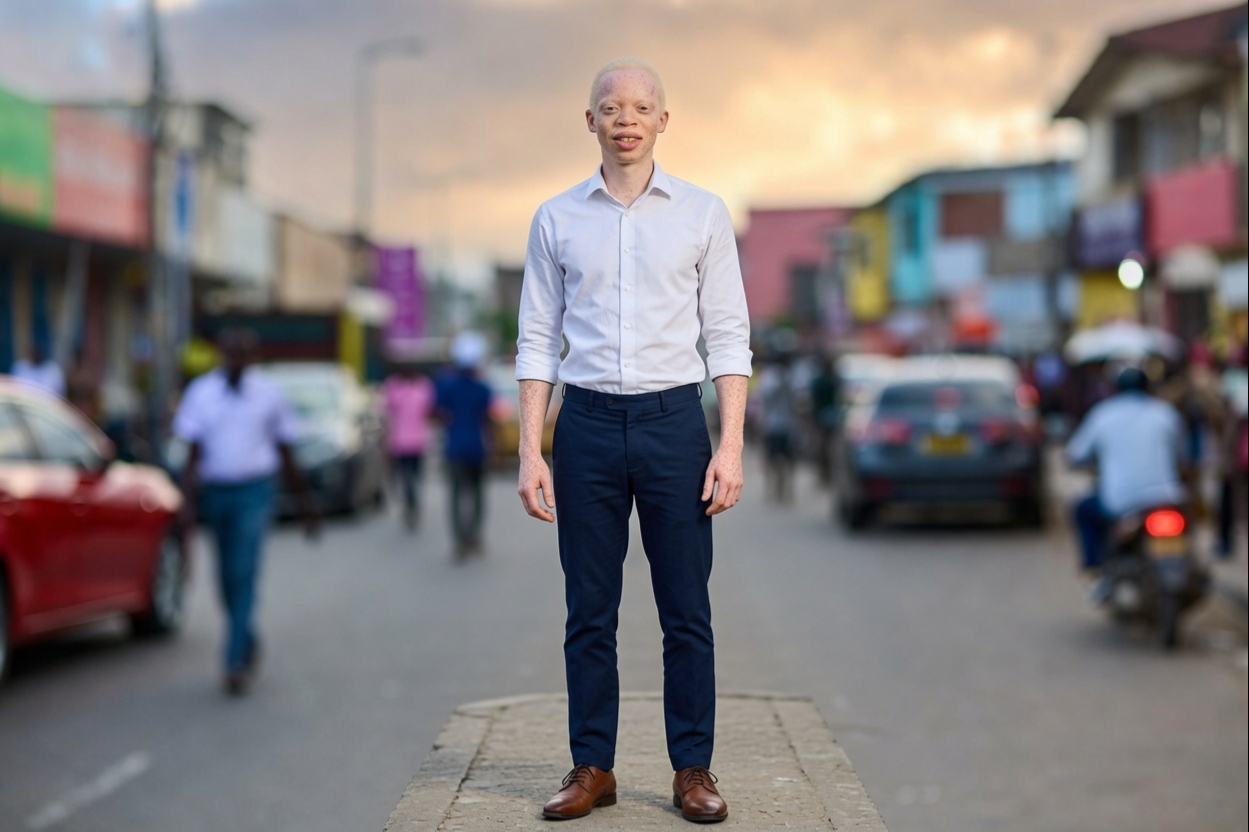
Albinism is one of those conditions that most people have heard of, but very few actually understand. Let us change that.
1. It Is a Genetic Condition, Not a Disease
Albinism is not something you catch. It is not contagious. It is a lifelong genetic condition that a person is born with. It is something that is passed down through genes inherited from their parents.
2. It Is More Common Than You Think
Around 1 in 17,000 people worldwide are born with albinism. In some parts of sub-Saharan Africa, however, that number rises to as high as 1 in 1,000. That is not a rounding error. It is a meaningful difference that shapes how communities in those regions must respond.
3. Melanin Is the Missing Piece
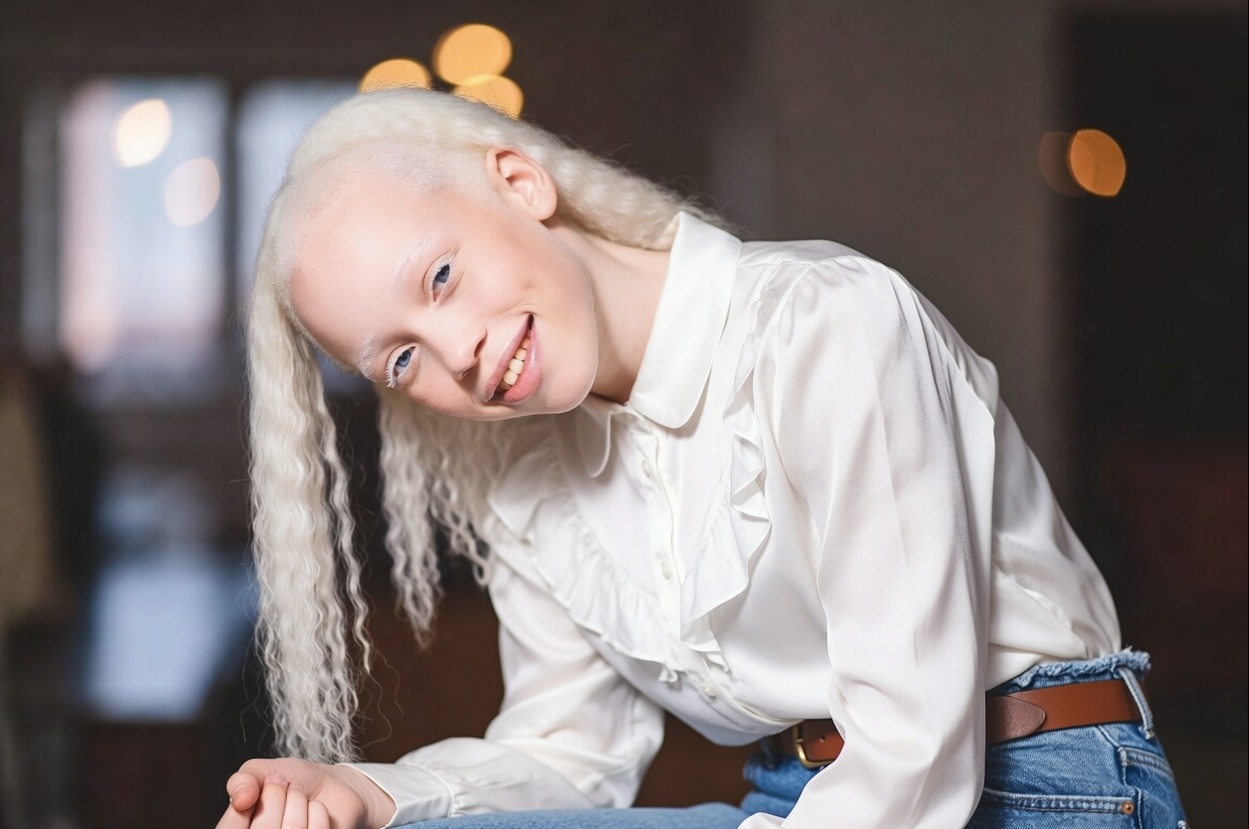
The root cause of albinism is the body producing little or no melanin. Melanin is the pigment responsible for the colour of your skin, hair, and eyes. When melanin is absent or significantly reduced, everything looks lighter than expected. Thus, the reason for the pale skin, white or light blonde hair, and very light eyes.
4. There Is More Than One Type
Albinism is not a single condition. The most common form is called oculocutaneous albinism (OCA), which affects the skin, hair, and eyes. However, there is also ocular albinism, which mostly affects the eyes, leaving the skin looking relatively normal. There are at least seven known types of OCA alone.
5. The Eyes Are Always Affected
This is perhaps the most important thing people do not realise. Every person with albinism has some degree of visual impairment. The lack of melanin affects the development of the eye itself, not just its colour. The retina does not develop fully, and the optic nerve does not send signals to the brain in the same way it does in most people.
6. Many People With Albinism Are Legally Blind
This is not a worst-case scenario; it is actually quite common. Most people with albinism are registered as visually impaired or legally blind, even if they can still see shapes, light, and movement. Glasses can help, but they rarely restore standard vision.
7. Nystagmus Is Almost Universal
Nystagmus is the rapid, involuntary movement of the eyes. It affects the vast majority of people with albinism. The eyes appear to "flicker" or "wobble." It is not something they are doing on purpose, and it cannot be willed away. It is simply how their visual system works.
8. Photophobia Is Real and Painful
Bright light is not just uncomfortable for people with albinism, it can be genuinely painful. This is because melanin helps protect the eyes from light. Hence, its absence means the eyes are extremely sensitive. Sunglasses are not a fashion accessory; they are a daily necessity.
9. The Sun Is Their Greatest Health Risk
Without melanin in the skin, there is no natural protection against ultraviolet radiation. This means that people with albinism are at an extremely high risk of developing skin cancer. Therefore, in countries close to the equator, that risk is compounded dramatically by the intensity of the sun.
10. Sunscreen Is Not Optional
In high-sun environments, sunscreen becomes as essential as food and water for a person with albinism. High-SPF sunscreen, protective clothing, and hats are not luxuries. They are daily medical necessities. In lower-income countries, access to affordable sun protection is a genuine public health issue.
11. Both Parents Can Be Carriers Without Knowing
Here is something that surprises many people. It is the fact that two parents with normal pigmentation can have a child with albinism if both happen to carry the recessive gene. In fact, in most cases, neither parent has albinism themselves. This is why the condition sometimes seems to "come out of nowhere."
12. It Occurs Across Every Race and Ethnicity
Albinism does not discriminate by race, nationality, or background. It occurs in every human population on earth; in Europe, Asia, the Americas, Africa, and the Pacific Islands. The idea that it only affects certain groups is a myth.
13. In Parts of Africa, It Is Life-Threatening
This is not an exaggeration. In several African countries, particularly Tanzania, Malawi, and Mozambique, people with albinism have been murdered for their body parts. This happens because they are falsely believed in some communities to bring wealth and good fortune. This is not ancient history. It is happening now. The United Nations has formally labelled it a human rights crisis.
14. Witch Doctors and Superstition Are Behind the Attacks
The murders and mutilations of people with albinism in parts of Africa are driven by deeply harmful myths promoted by certain witch doctors who sell body parts to be used in rituals. Limbs, hair, and skin are all targeted. Children are especially vulnerable.
15. Survivors Often Live in Fear
For many survivors of attacks, returning to normal life is nearly impossible. Some children with albinism are placed in special camps or shelters for their own protection. They grow up separated from their families, simply because of how they were born.
16. Discrimination Is Also a Western Problem
Let us not pretend that the challenges of albinism are confined to the developing world. In Europe, North America, and elsewhere, people with albinism face discrimination in employment, education, and social life. Being stared at, mocked, or excluded is a common experience. This sometimes happens even in countries that pride themselves on inclusion.
17. "Albino" Can Be a Hurtful Term
Many people with albinism prefer to be called "a person with albinism" rather than simply "an albino." The latter reduces a complex human being to a single characteristic. Language matters, especially when that language has been used as a slur in some contexts. SO, sensitivity to the name-calling issue is highly essential.
18. They Can Have Children Without Albinism
Unless their partner also carries the relevant gene, a person with albinism is unlikely to have a child with albinism. It depends entirely on genetics. There is no guarantee either way, but it is certainly not inevitable.
19. Hair Colour Varies More Than People Expect
Not everyone with albinism has pure white hair. Depending on the type and how much melanin their body still produces, hair can range from white to light yellow, strawberry blonde, or even a light brown. It is more varied than most people realise.
20. Eye Colour Is Equally Surprising
The eyes of people with albinism are not always red or pink. That is a common misconception. They can be blue, grey, hazel, or even a light brown. The "red eye" appearance sometimes seen in photographs is due to light reflecting off blood vessels in the retina, not the actual eye colour.
21. Assistive Technology Changes Lives
For children with albinism in schools, access to large-print materials, magnifiers, screen readers, and other assistive tools makes an enormous difference. Many thrive academically when given the right support. The barrier is rarely intelligence. It is access.
22. June 13th Is International Albinism Awareness Day
Established by the United Nations in 2015, International Albinism Awareness Day is observed every year on the 13th of June. It was created specifically to combat discrimination and promote the rights and dignity of people with albinism around the world.
23. There Is No Cure
Albinism cannot be cured, and a growing number of people within the community are clear. They do not want to be "fixed." What they want is to be seen as full human beings, given access to healthcare, protected from violence, and treated with the same respect as anyone else.
24. Representation in Media Is Still Painfully Lacking
Films and television have not been kind to people with albinism. Historically, characters with the condition have been cast as villains, oddities, or objects of pity. Real representation, stories told from the inside, with nuance and humanity, is still rare and desperately needed.
25. The World Owes Them a Lot More Than Awareness
Awareness is a starting point, not an ending. People with albinism need sunscreen programmes, accessible education, safe communities, fair legal protections, and a media landscape that reflects them honestly. They need policymakers who take the human rights violations seriously and researchers who invest in better vision aids and skin cancer prevention strategies for their specific needs.
Most of all, they need the world to stop treating them as a curiosity and start treating them as exactly what they are: people. Whole, complex, dignified people, who happen to have been born without much colour. The more you understand, the less you fear. The less you fear, the less you harm.
Conclusion
Albinism is more than a genetic condition. It is a reminder that every human being deserves dignity, understanding, and equal opportunities. By learning the facts, you can replace myths, discrimination, and stigma with compassion and awareness.
People with albinism are capable, talented, and valuable members of society who should be supported, protected, and celebrated. Greater education about albinism helps create a more inclusive world where differences are respected, and everyone can thrive with confidence and acceptance.