


These days, access to explicit content has become easier than ever before. With just a few taps on your phone or clicks on your laptop, pornography is readily available, often without filters or restrictions. While many people treat it as a private matter, its effects are rarely confined to the individual.
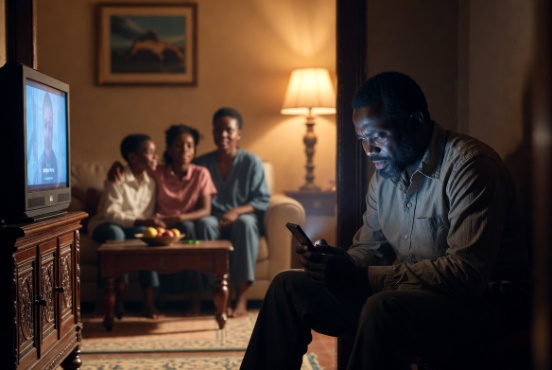
In fact, pornography can pierce through relationships, marriages, and entire families, influencing behaviours, expectations, and emotional connections in ways that are often overlooked. This is not a conversation about shame or judgement. It is about awareness, understanding, and the long-term impact on family life.
10 Ways Accountability Can Transform You Into A Better Partner
Effects of Pornography
At its core, pornography changes how people view intimacy. It often presents a distorted version of relationships, one that is built on performance rather than connection, fantasy rather than reality. When you consume such content frequently, it can begin to influence what you expect from your partner. Over time, this can create dissatisfaction in real-life relationships, as genuine intimacy may feel less exciting compared to the exaggerated scenarios seen on screen. Below are some of its consequences on a relationship.
1. Creates Distance
In marriages, this shift can quietly create distance. A partner who feels compared, whether consciously or unconsciously, may begin to struggle with self-worth. Emotional closeness can weaken when one partner turns to pornography instead of nurturing connection within the relationship. Communication may break down, replaced by silence, secrecy, or even resentment. What was once a partnership built on trust can slowly become strained.
2. Betrayal of Trust
Trust is one of the first casualties when pornography use becomes hidden. Secrecy creates suspicion, and suspicion erodes the foundation of any healthy relationship. Even if the behaviour is not initially seen as harmful, the act of hiding it can make it feel like a betrayal. Over time, this can lead to arguments, emotional withdrawal, and in some cases, the breakdown of the marriage itself.
3. Risk of Exposure to Children
Beyond the couple, the effects often extend to children. In homes where pornography is consumed without boundaries, there is a risk of exposure at a young age. Children who encounter such material prematurely may develop a confused or unhealthy understanding of relationships and sexuality. Instead of learning about love, respect, and emotional connection, they may absorb messages that prioritise physicality and unrealistic expectations.
4. Tension Among Children
Even when children are not directly exposed, they can sense tension within the home. A strained relationship between parents often affects the emotional environment. Children thrive in spaces where love, stability, and open communication exist. When those elements are weakened, it can impact their sense of security and overall well-being.
5. Time and Energy Consumption
Another important aspect to consider is the addictive nature of pornography. For some individuals, it can move beyond occasional use into a compulsive habit. This can consume time, energy, and emotional attention that would otherwise be invested in family life. Moments that could be spent bonding, communicating, or simply being present are lost to screens and secrecy.
6. Emotional Toll
The emotional toll of this habit is often underestimated. Individuals may experience guilt, shame, or frustration, especially when they feel unable to stop. This internal struggle can affect how they interact with their partners and children. Irritability, withdrawal, or lack of engagement can become noticeable, further impacting family dynamics.
7. Money Loss
Financial implications can also arise in certain situations. While much content is freely available, some individuals spend money on subscriptions or premium material. Over time, this can lead to hidden expenses, which may create further tension if discovered. In families already managing tight budgets, such issues can deepen stress and conflict.
Ways to Combat Pornography Addiction
It is important to recognise that not all hope is lost. Families can address these challenges with honesty and intentional effort. Open conversations are a powerful starting point. When partners create a safe space to talk without fear of judgement, it becomes easier to understand each other’s perspectives and rebuild trust. So, you can do the following.
1. Set Boundaries
Setting boundaries is another crucial step. This may involve agreeing on acceptable behaviour, limiting access to certain content, or using tools that promote accountability. While these measures may feel uncomfortable at first, they often provide a sense of clarity and direction for both partners.
2. Rebuild Intimacy
Rebuilding intimacy is equally essential. True connection goes beyond physical interaction. It involves emotional presence, vulnerability, and mutual respect. Couples who invest time in understanding each other’s needs, expressing appreciation, and creating shared experiences often find that their bond becomes stronger than before.
3. Educate Your Kids
For families with children, education plays a key role. Instead of avoiding the topic altogether, you can provide age-appropriate guidance about relationships, respect, and healthy boundaries. When children receive accurate information from trusted adults, they are less likely to rely on misleading sources.
4. Seek Professional Help
Seeking professional support can also be beneficial. Counsellors and therapists are trained to help individuals and couples navigate sensitive issues without judgement. In many cases, having a neutral third party can make difficult conversations more manageable and productive.
5. Self-Evaluation
It is also worth noting the importance of self-reflection. Individuals who consume pornography should take time to examine how it affects their thoughts, behaviour, and relationships. Awareness is often the first step towards change. By recognising patterns and triggers, it becomes easier to make intentional choices that align with personal and family values.
In Conclusion
At a deeper level, this conversation invites us to rethink what intimacy truly means. Is it about performance, or is it about connection? Is it about instant gratification, or is it about long-term fulfilment? Families that prioritise love, respect, and emotional closeness often create environments where every member feels valued and secure.
With tons of distractions available today, maintaining a healthy family life requires conscious effort. Pornography, while often dismissed as harmless, can quietly shape attitudes and behaviours in ways that affect everyone in the household. By bringing the issue into the open and addressing it with honesty and compassion, you can protect your relationships and build stronger, more meaningful connections.
Ultimately, the goal is not perfection but awareness. Every family faces challenges, but those who choose to face them together, with openness, understanding, and commitment, are more likely to thrive.